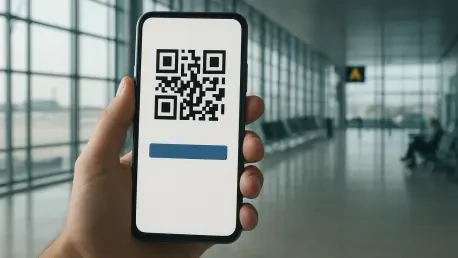

Standing in a crowded airport terminal while the departure board flickers with the dreaded crimson text of a multi-hour delay often leaves passengers feeling helpless and stranded. For many years, the standard operating procedure for low-cost carriers involved minimal intervention, leaving travelers to navigate complex phone systems or wait in exhaustive queues just to receive a basic travel voucher. However, the current landscape of passenger autonomy is shifting as Volaris integrates advanced financial technology to return decision-making power to the traveler’s own device. By partnering with Hopper Technology Solutions, the airline has launched a premium service titled Disruption Assistance, which provides immediate, self-service resolutions during high-stress travel events. As digital expectations evolve, this move reflects a broader trend toward transparency and efficiency within the global aviation sector where passengers demand more than just a low fare; they expect a seamless recovery when things go wrong.
Integrating Fintech Solutions into Modern Aviation
Part 1: The Digital Core
The implementation of this disruption management system relies on a sophisticated fintech backend provided by Hopper Technology Solutions to ensure real-time responsiveness. This architecture is seamlessly integrated into the Volaris booking and check-in ecosystem, allowing for an automated trigger whenever a flight is delayed by more than two hours or canceled on the day of departure. By utilizing advanced data feeds, the system identifies eligible travelers instantly and pushes notifications directly to their mobile applications, bypassing the need for manual processing by ground staff. This automated approach is essential for maintaining operational stability during widespread service interruptions where traditional customer service channels would typically become overwhelmed. The technology handles the complex logistics of cross-carrier rebooking and financial settlement, ensuring that the passenger’s transition to a new itinerary is as efficient as the original booking process.
Part 2: Enhancing User Autonomy
Beyond the technical merits of the platform, the service fundamentally changes the psychological experience of travel irregularities by placing control back into the hands of the consumer. When a disruption occurs, the user is presented with a clear, digital dashboard that outlines their available paths forward without requiring a conversation with a service agent. This level of autonomy is particularly valuable in the modern travel environment, where speed and transparency are prioritized above all else. By providing a self-service tool, the airline acknowledges that the passenger is the best judge of their own schedule and priorities, whether they need to reach their destination immediately or prefer to postpone their journey. This shift from a passive to an active role helps to reduce the anxiety typically associated with airline delays. Such innovations represent a new standard for passenger care, where the focus is on providing actionable data and immediate solutions.
Shifting the Paradigm of Passenger Protection
Section 1: Financial Protection and Flexibility
At the core of the Disruption Assistance service is a dual-option framework that offers travelers unprecedented financial security when their plans are interrupted. Passengers can choose to rebook their flight on Volaris or any other alternative carrier at no additional cost, with the fintech partner covering any price differences or rebooking fees. This ensures that the traveler can reach their destination on their own terms without facing the financial burden of last-minute fare spikes. Alternatively, the traveler can opt for a full 100% refund of their original trip cost while still retaining their disrupted ticket, providing a unique level of flexibility that is rarely found in the low-cost aviation market. The pricing for this optional coverage is dynamic, fluctuating based on the specific route and historical data to provide a personalized value proposition. This protection ensures that the traveler’s investment is safeguarded against the inherent unpredictability of international flight schedules.
Section 2: Strategic Shifts in Aviation Care
The adoption of these digital tools demonstrated a significant shift in how airlines approached the concept of customer loyalty and long-term brand equity. Industry leaders recognized that the value of a carrier was increasingly measured by its ability to provide reliable recovery options during operational failures. This partnership successfully established a new benchmark for the aviation sector, showing that automated transparency was more effective than traditional administrative delays. Future strategies should involve expanding these protections to include multi-modal transport links, such as rail or ground transportation, to provide a more holistic safety net for travelers. By prioritizing the passenger’s time and financial stability, the industry took a major step toward building a more resilient and consumer-centric business model. These advancements proved that investing in advanced fintech solutions not only reduced overhead but also fostered a more trusting relationship with the customer.