
The landscape of British hospitality is currently undergoing a significant transformation as the Daresbury Park Hotel embarks on a multi-million-pound renovation project. This ambitious undertaking is far more than a surface-level update; it represents a fundamental shift intended to position the property as a premier four-star destination within the Elite Venue Selection portfolio. By modernizing both interior and exterior facilities, the hotel aims to meet the evolving demands of contemporary travelers who seek a blend of high-end aesthetics and functional versatility. Recognizing this transition is essential for understanding how regional hotels are successfully adapting to global standards of luxury.
The scope of this timeline highlights the strategic progression from a traditional lodging facility to a multifaceted hub for leisure, business, and wellness. As the hospitality industry moves toward holistic guest experiences, the Daresbury Park Hotel serves as a primary example of how legacy properties can be revitalized through significant capital investment. This evolution is particularly relevant today as travelers prioritize on-site amenities, connectivity, and personalized service when choosing accommodations.
The Evolution of Daresbury Park Hotel Through Transformation
Early Planning Phase: Strategic Acquisition and Vision Alignment
Before the physical construction began, the leadership at Elite Venue Selection identified the Daresbury Park Hotel as a key asset with untapped potential. The initial phase focused on conceptualizing a guest journey that transcended the standard hotel stay. Designers and stakeholders collaborated to draft a blueprint that would integrate 228 guest rooms into a unified, premium aesthetic. This period was characterized by deep market analysis and the decision to elevate the property into the brand’s collection of fifteen elite hospitality venues, ensuring it would stand out in the competitive North West corridor.
2024 to 2025: Comprehensive Structural and Interior Remodeling
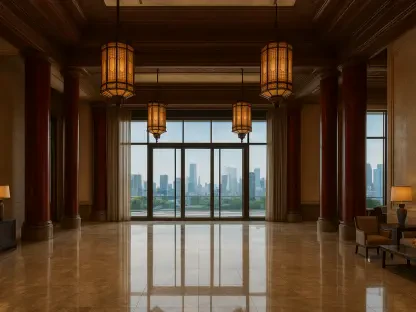
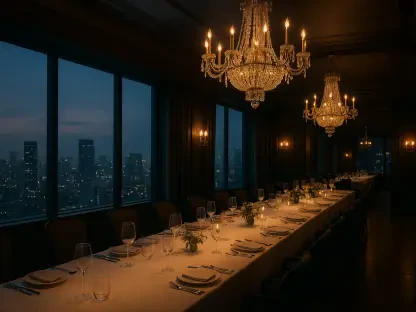
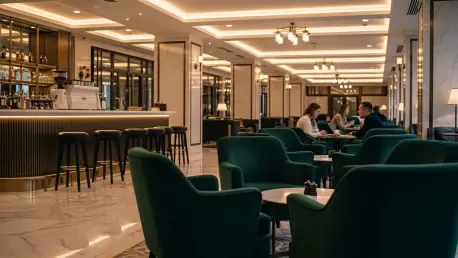
The most intensive phase of the project involved the total overhaul of the hotel’s core infrastructure. Every guest room and bathroom was stripped and remodeled to feature contemporary furnishings and upgraded technology. Simultaneously, the communal areas underwent a massive redesign to foster social interaction and professional productivity. The introduction of a brand-new coffee lounge provided a dedicated space for remote work, while the restaurant and bar were reimagined to offer a stylish, upscale atmosphere. This period marked the transition from a dated interior to a modern environment that mirrors international standards.
Late 2025: The Integration of Holistic Wellness Facilities
A major milestone in the timeline was the construction and fit-out of the state-of-the-art health club. Recognizing the industry-wide shift toward wellness-focused travel, the developers added an indoor heated pool, a steam room, and a spa pool. A fully equipped fitness suite was also integrated to cater to health-conscious guests. This phase was crucial because it moved the hotel beyond being just a place to sleep, transforming it into a wellness destination. The addition of these facilities was designed to attract long-term stays and local memberships, grounding the hotel as a community fixture in the borough of Halton.
June 2026: The Official Launch as a Flagship Destination
The culmination of the multi-year project is set for the grand opening in June 2026. This event signifies the completion of the reimagined guest journey, where the logistics of the location—proximate to the M56 motorway and Manchester Airport—align with the newly established luxury of the property. The launch represents the final step in the hotel’s journey to becoming a central pillar of its parent company’s portfolio. With 400 parking spaces and a pet-friendly policy fully implemented, the official opening marks the point where the hotel begins to set new regional benchmarks for service.
Key Turning Points in the Property’s Strategic Redesign
The most significant turning point in this journey was the decision to move beyond cosmetic updates to a fundamental reimagining of the guest experience. By remodeling all 228 rooms simultaneously, the hotel ensured a consistent level of quality that avoids the “phased” feel of many renovations. The overarching theme of this transformation is the convergence of business and wellness. The inclusion of a dedicated coffee lounge alongside high-end spa facilities demonstrates a clear understanding of the modern “bleisure” traveler, who balances professional duties with personal health.
Another pattern identified in this timeline is the emphasis on connectivity and logistical ease. The strategic focus on the hotel’s proximity to major transportation hubs, combined with a massive parking capacity, highlights an industry shift toward accessibility. While the renovation addresses current luxury trends, there remains room for future exploration regarding how the hotel will integrate emerging smart-room technologies and sustainable energy practices as it settles into its new identity after the 2026 launch.
Analyzing the Competitive Edge and Industry Impact
The Daresbury Park Hotel differentiates itself through its massive scale and its dual focus on corporate and social events. While many luxury hotels focus exclusively on the individual guest, this renovation specifically targets the wedding and conference markets. Director Simon Powell has emphasized that the investment is about the “guest journey,” suggesting that the hotel aims to compete not just on room rates, but on the emotional and functional experience of the stay. This perspective is an emerging methodology in luxury hospitality where the property acts as a full-service ecosystem.
A common misconception about such large-scale renovations is that they are purely aesthetic. However, the Daresbury project illustrates that structural changes—such as the building of an entire health club and the reconfiguration of 228 bathrooms—are essential for meeting modern plumbing and environmental standards. Furthermore, the pet-friendly policy and extensive parking address practical traveler pain points that are often overlooked in high-end design. By combining these functional advantages with premium aesthetics, the hotel positioned itself to capture a wide demographic of travelers who refused to choose between convenience and luxury. This transition offered a blueprint for sustainable regional development and signaled a shift toward technology-integrated, wellness-centric hospitality models. Future investigations could examine the hotel’s long-term environmental footprint and its impact on Halton’s local tourism economy.