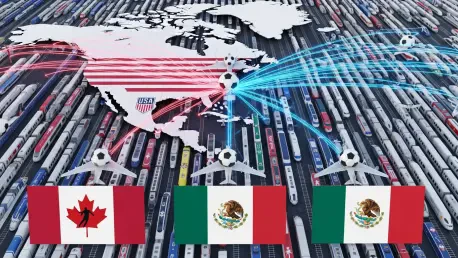

The sprawling geography of the current international soccer tournament has transformed the North American landscape into a high-stakes testing ground for modern border management and cross-continental logistics. As the United States, Mexico, and Canada share the hosting duties, the tournament has moved beyond a simple sporting event to become a complex administrative marathon that challenges the endurance of teams and fans alike. With matches scattered across thousands of miles and three distinct national jurisdictions, the logistical footprint of this event is entirely unprecedented. Every aspect of the competition, from team arrivals to the movement of millions of supporters, is governed by a patchwork of security protocols and immigration policies that vary significantly from one host city to another. This reality has created a unique environment where a team’s success is determined not just by tactical brilliance on the pitch, but also by their ability to navigate the legal and physical barriers of a triple-nation tournament framework. As the group stages reach their peak, the intersection of geopolitics and athletic performance is increasingly coming to the forefront of the global conversation.
Competitive Stakes and Physical Demands
The Battle for Group G Supremacy
Group G has solidified its reputation as the most volatile bracket in the tournament, with Belgium, Iran, Egypt, and New Zealand currently locked in a statistical stalemate that leaves the path to the Round of 32 wide open. For Belgium, the “Red Devils” have utilized their established base within the United States to fine-tune their tactical approach under a cloud of high expectations. Veterans such as Kevin De Bruyne and Thibaut Courtois have been vocal about the importance of a stable environment, noting that their ability to remain in one time zone has been a cornerstone of their physical preparation. This stability is a luxury in a tournament defined by movement, allowing the Belgian coaching staff to focus on specific defensive adjustments without the looming distraction of imminent international transit. The squad is desperate to rectify their performance from previous years, and their current logistical ease provides a clear psychological edge as they prepare for the high-intensity atmosphere of the Los Angeles fixture.
The situation for the Iranian national team presents a stark contrast, as they have been forced to adopt a much more taxing operational rhythm to maintain their place in the competition. Despite being heavy underdogs in a group featuring elite European and African talent, Iran has displayed a level of resilience that has surprised many veteran analysts. Their preparation, however, is constantly interrupted by a housing arrangement that requires them to maintain their primary camp in Mexico while traveling into California for match days. This disparity in the daily lives of the athletes is becoming a central theme of the Group G narrative, as the outcome of the upcoming match in Los Angeles will likely dictate which nation advances. While Belgium relies on the comfort of their domestic-style residency, Iran must overcome the inherent fatigue of international commuting, making their quest for the knockout stages a true test of physical endurance and mental fortitude against some of the best players in the world.
Disparities in Athlete Recovery Protocols
The fundamental challenge of a multi-host tournament lies in the unequal distribution of travel fatigue, which sports scientists now identify as a critical factor in match-day performance. Teams like Egypt and New Zealand have also expressed concerns regarding the sheer mileage required to fulfill their group stage commitments, but the focus remains on how recovery windows are shrinking due to administrative delays. In a high-stakes environment where a single percentage point in physical readiness can determine a goal, the time spent in security lines or on tarmacs is time lost to cryotherapy, massage, and restorative sleep. This has sparked a debate among FIFA officials and national federations about the integrity of the tournament’s competitive balance. If one team arrives at a stadium after a short bus ride while their opponent has just cleared an international flight and passport control, the “level playing field” becomes a theoretical concept rather than a practical reality for the athletes involved.
Building on this, the physiological impact of frequent air travel, especially across borders, includes disrupted circadian rhythms and increased exposure to pathogens, both of which can sideline key players at a moment’s notice. The Iranian delegation has hired additional medical staff specifically to mitigate the effects of their unique travel requirements, implementing strict hydration and light-exposure schedules to combat the wear and tear of their transit. This proactive approach highlights a shift in modern sports management where logistical experts are as vital to the team as the head coach. As the tournament progresses toward the knockout rounds, the teams that have successfully optimized their recovery protocols amidst these border hurdles are the ones showing the greatest late-game stamina. This dynamic serves as a reminder that the 2026 World Cup is as much a victory for high-level logistics and medical science as it is for the technical skills displayed by the players on the grass.
Geopolitical Logistics and Player Welfare
The Iranian Commuter Model
The “commuter” approach adopted by the Iranian national team is perhaps the most visible example of how national security policies can directly interfere with the operational flow of a global sporting event. Due to a complex web of entry regulations and the prevailing geopolitical climate, the Iranian squad has been required to set up their base of operations in Mexico, crossing into the United States only for specific windows of time around their scheduled matches. This necessitates a rigid schedule of international flights and security screenings that are far more frequent than those experienced by their Group G counterparts. Each crossing involves rigorous documentation checks and biometric verifications that, while standardized for all travelers, create a repetitive cycle of stress for a group of professional athletes whose schedules are usually timed down to the minute. This logistical anomaly has forced the Iranian coaching staff to become masters of contingency planning, often adjusting training times based on the estimated duration of border processing.
Furthermore, the requirement for limited entry windows means that the team cannot linger in the United States to acclimate to local conditions or engage in the usual post-match recovery activities at the stadium site. Instead, they must prioritize a swift return to their Mexican base to ensure compliance with their specific travel authorizations. This constant movement creates a fragmented experience for the players, who find themselves living in a state of transit rather than the focused isolation typically found at a World Cup camp. Security personnel and immigration officials have worked to streamline these transitions, yet the reality of three sovereign nations managing a single tournament means that there is no universal shortcut for teams facing unique diplomatic hurdles. This situation has led to calls for more robust coordination between host governments to ensure that athletic delegations can focus entirely on the competition rather than the mechanics of their legal status.
Administrative Friction and Training Integrity
The administrative friction generated by frequent border crossings has a measurable impact on the training integrity of any professional squad, specifically regarding the continuity of tactical preparation. For Iran, every hour spent in a VIP lounge or a security queue is an hour that could have been spent on the pitch refining the defensive shapes needed to stop world-class attackers. Coaches have noted that the inability to maintain a consistent daily routine leads to a decrease in the players’ focus, as the mental energy required to navigate travel logistics competes with the cognitive demands of high-level strategy. This friction is not merely a matter of time; it is a matter of the quality of the environment. Training in a secondary location in Mexico and then playing in a primary venue in Los Angeles prevents the team from developing a true sense of “home field” familiarity, a factor that often plays a significant role in the psychological performance of squads during the pressure-cooker environment of a World Cup.
Beyond the mental toll, the physical reality of these logistical hurdles is documented in the biometric data collected by team performance analysts. Constant shifts in environment and the physical strain of boarding and deboarding aircraft can lead to subtle inflammatory responses in the body, which prolong the time needed for muscles to recover from game-day exertion. Sports scientists working with the teams have observed that players under these conditions often report higher levels of perceived fatigue compared to those who are stationary. This data suggests that the tournament’s current logistical framework might benefit from more centralized housing solutions for all teams, regardless of their nationality or the diplomatic status of their home country. As the sporting world observes these challenges, it becomes clear that the success of future multi-national events will rely on the ability of hosts to decouple sporting logistics from broader geopolitical tensions to protect the welfare of the participants.
Border Infrastructure and the Fan Experience
Managing the Surge of Global Supporters
To accommodate the unprecedented surge of international visitors, the host nations have established specialized “fast-track” lanes at major transit hubs such as Los Angeles International Airport and the land border crossings in the San Ysidro region. these lanes are designed to separate tournament-affiliated personnel and ticket holders from general travelers, utilizing advanced facial recognition and digital visa integration to move thousands of people through checkpoints every hour. While these technological interventions have significantly reduced potential bottlenecks, the sheer volume of supporters from all corners of the globe continues to push the infrastructure to its absolute limit. Immigration departments across the three host nations have had to synchronize their databases in real-time to ensure that a fan cleared in Mexico City can transition smoothly to a match in Seattle or Vancouver. This massive administrative undertaking represents one of the largest collaborative security efforts in the history of international sports.
Despite these efforts, the reality of managing millions of people across three distinct legal jurisdictions remains fraught with challenges that test the patience of even the most seasoned travelers. Supporters have reported varying wait times at different ports of entry, with some gateway cities experiencing significant delays during peak match days. The logistical complexity is further compounded by the need for fans to carry multiple forms of identification and travel authorization, as the “Fan ID” systems of the current tournament are integrated differently into the local laws of each host country. For many international visitors, the journey between matches is becoming a significant part of the World Cup experience, requiring a level of detailed planning that rivals the strategic preparation of the teams themselves. The success of this infrastructure in the coming weeks will likely serve as a benchmark for how future global mega-events handle the movement of people in an era of heightened security and digital borders.
Economic Fluctuations in Host Gateway Cities
The socioeconomic impact of the tournament is perhaps most visible in the booming hospitality and aviation sectors of primary host cities like Los Angeles, which have seen a dramatic rise in both demand and service costs. Hotels and short-term rentals have reached near-total occupancy, and airlines have adjusted their schedules to provide “shuttle-style” service between the various host hubs to accommodate the fluid movement of the fan base. This surge has brought a massive influx of capital to local economies, supporting thousands of seasonal jobs and funding local infrastructure improvements that will remain long after the final whistle. However, this economic boom also introduces a layer of complexity for the average fan, as the rising costs of travel and lodging necessitate a rigorous budgeting and planning process. The financial barrier to entry for the tournament has shifted, making it an event that demands not just passion for the sport, but also a sophisticated understanding of the North American travel market.
Building on this economic theme, the hospitality sector has had to innovate rapidly to meet the diverse needs of a global audience, with many establishments offering specialized services for supporters from specific regions. From multilingual staff to localized menu options, the goal has been to create a welcoming environment that mitigates the stress of international travel. Nevertheless, the volatility of pricing during the tournament has led to calls for better consumer protections for fans traveling across the three host nations. As fans navigate the heightened security protocols and the logistical hurdles of moving between countries, the importance of a seamless and affordable travel experience has become a central point of feedback for organizers. The lessons learned during this tournament regarding the management of fan logistics will be invaluable for future organizers who seek to balance the economic benefits of a mega-event with the need to maintain an accessible and enjoyable atmosphere for all supporters.
Strategic Planning and Diplomatic Tensions
Navigating a Triple-Host Environment
Successful navigation of the current North American tournament circuit requires international travelers to adhere to a new set of logistical best practices that prioritize redundancy and early preparation. Experts in travel management recommend that fans and media personnel maintain physical backups of all digital documents, including visa waivers, match tickets, and health certifications, to avoid issues in areas where stadium connectivity may be strained by high demand. Furthermore, the practice of building in significant “buffer times” for all border crossings has become a necessity, as even the most efficient fast-track systems can be subject to unexpected delays during peak periods. Staying updated on the rapidly changing entry requirements of each host nation is also vital, as policies regarding everything from prohibited items to health screenings can shift in response to localized events. For those attending matches in multiple countries, this requires a constant state of vigilance and a willingness to adapt to different regulatory environments on short notice.
Moreover, the integration of digital tools has become a double-edged sword for many participants, offering convenience while also introducing new vulnerabilities related to data privacy and technical failures. While the centralized tournament app provides real-time updates and digital entry, seasoned travelers emphasize the importance of traditional navigation tools and pre-booked ground transportation to ensure they do not miss any of the action. The requirement for fans to understand the nuances of three different transportation networks—ranging from the light rail of Vancouver to the massive highway systems of the United States and the bustling transit of Mexico City—adds another layer of complexity to the journey. By approaching the tournament with a mindset of strategic planning, fans can mitigate much of the stress associated with the three-nation model. This proactive approach allows the focus to remain where it belongs: on the world-class soccer being played on the field rather than the administrative hurdles required to see it in person.
Establishing Future Templates for Global Sports
The 2026 World Cup served as a pivotal case study for the future of multi-host sporting events, proving that the success of such massive undertakings depended as much on diplomatic synchronization as it did on the talent of the athletes. Host nations identified that the integration of digital visa systems and the establishment of dedicated athletic corridors were essential for maintaining the competitive integrity of the tournament. By observing the challenges faced by teams like Iran, future organizers gained a clearer understanding of how to protect player welfare in the face of geopolitical friction. These insights led to the development of new international protocols for “sporting neutrality” in logistics, ensuring that the movement of athletes remained prioritized regardless of the prevailing political climate between nations. The tournament demonstrated that while borders are a political reality, they should not become a tactical disadvantage for those competing at the highest levels of global sport.
Stakeholders and international governing bodies realized that the lessons from this tournament required a permanent shift in how host cities were selected and managed. The collaborative effort between the United States, Mexico, and Canada provided a blueprint for how different legal systems could work in concert to support a singular event, yet it also highlighted the need for even deeper administrative integration in the years ahead. Host cities began investing more heavily in border infrastructure that could be rapidly scaled up for mega-events, ensuring that the economic and cultural benefits of the World Cup were not overshadowed by logistical gridlock. Ultimately, the 2026 tournament established that the future of international sport was inherently multi-national. This evolution required a commitment to shared standards and a focus on the human element of the game, ensuring that both the players on the pitch and the fans in the stands could navigate the world as easily as the ball moves between teammates.