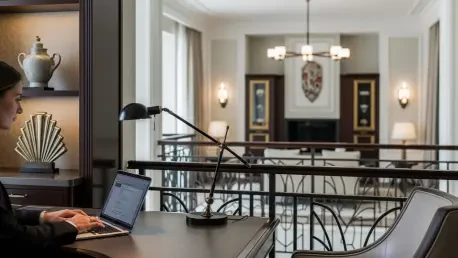

The boundary between the world’s most exclusive hotel suites and the private sanctuaries of the affluent home has officially dissolved as hospitality giants pivot toward total lifestyle curation. Marriott International has signaled a dramatic evolution in its business model by launching the “Design Shop,” a curated digital platform that transcends the traditional gift shop experience. This initiative reflects a broader ambition to move beyond providing temporary lodging and instead become a permanent fixture in the daily lives of its guests. By offering high-end, brand-specific home furnishings, the company is transforming the hospitality experience into a tangible asset that consumers can integrate into their personal environments.
This strategic pivot emphasizes the increasing importance of aesthetic-driven consumption in the modern luxury market. Industry analysts observe that the modern traveler views their hotel choice as a reflection of their personal brand, making the transition to home design a logical progression for the company. Blurring the lines between service and retail allows the organization to capture a larger share of the consumer’s wallet while reinforcing brand identity long after the guest has departed. This analysis explores how specific collections, competitive pressures, and loyalty integrations are redefining the relationship between traveler and brand.
Reimagining the Guest Journey: From Temporary Lodging to Permanent Lifestyle
The transition from a service provider to a lifestyle curator represents a fundamental shift in how Marriott International interacts with its global audience. By professionalizing the “take-home” experience, the brand is responding to a growing demand for curated residential environments that mirror the sophistication of luxury travel. The introduction of the Design Shop serves as a central hub where the physical attributes of various hotel brands are translated into retail products, allowing the hotel group to influence the consumer’s living space.
Furthermore, the significance of merging hospitality with home design cannot be overstated in a market where aesthetics often dictate brand loyalty. Experts suggest that when a guest can purchase the exact bed or lighting fixture they encountered during a stay, the emotional connection to the brand is solidified through daily interaction. This strategy effectively turns the hotel room into a showroom, where every piece of furniture serves as a subtle but persistent advertisement for the brand’s lifestyle philosophy.
As this analysis moves forward, it will examine how distinct brand identities are materialized through specific collections and how Marriott benchmarks its performance against established retail-hospitality pioneers. The focus remains on the long-term impact of these retail ventures on consumer behavior and the deepening of the “follower economy” within the luxury sector.
Analyzing the Design Shop Ecosystem and the Convergence of Travel and Retail
Materializing Brand Identity: Contrast and Character in the W and Westin Collections
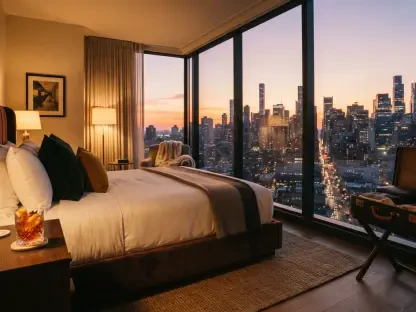
The initial retail collections illustrate the strategic use of design to communicate brand values. The W Hotels collection, created in collaboration with high-profile design groups, embraces a maximalist and Art Deco-inspired aesthetic that aligns with the brand’s urban, high-energy reputation. High-ticket items like velvet headboards and custom ceramic figurines are not merely products but physical extensions of the W guest experience, challenging the traditional boundaries of hotel merchandise.
In contrast, the Westin collection focuses on naturalism and wellness, utilizing organic materials and neutral palettes to promote a sense of serenity. By offering oak-veneered furnishings and calming abstract art, the brand targets a demographic that prioritizes restoration and mindfulness in their home environment. These collections prove that design is a powerful tool for maintaining brand character, ensuring that the specific vibe of a hotel property is preserved within the residential setting.
Navigating the New Luxury Frontier: Competitive Benchmarking Against Soho Home and Beyond
Marriott’s entry into high-end retail places it in direct competition with established players like Soho House, whose Soho Home boutique has successfully monetized its exclusive club aesthetic for years. Other luxury groups have also turned design expertise into a standalone product, utilizing the fame of their internal designers to sell everything from custom wallpaper to artisanal decorative pieces. This competitive landscape highlights an industry-wide trend where the monetization of design is becoming a vital revenue stream.
However, moving into this space carries risks, particularly regarding price sensitivity and the need for authentic storytelling. Analysts point out that for hotel retail to succeed, the products must feel like an organic part of the hotel’s narrative rather than a forced commercial expansion. Success in the luxury retail market requires a delicate balance between premium pricing and the perceived value of the brand’s design pedigree.
Culturally Curated Spaces: The Shift Toward Destination-Driven Retail and Global Expansion
The roadmap for the Design Shop includes a significant move toward destination-centric collections that tap into the trend of aspirational travel. Upcoming releases, such as the Tokyo-inspired JW Marriott line and a Mediterranean-themed French Riviera collection, aim to sell a specific geographic vibe to global consumers. This approach allows the brand to capitalize on the emotional pull of iconic travel destinations, offering consumers a way to recreate a “vacation state of mind” through home decor.
This shift suggests that hotel retail is no longer limited by the hotel brands themselves but is expanding into broader lifestyle branding. By curating products that represent the culture and aesthetic of a specific location, Marriott is positioning itself as a global curator of cultural experiences. This strategy broadens the appeal of the retail operation to consumers who may not have stayed at a specific property but are drawn to the lifestyle associated with the destination.
The Economics of Aesthetic Loyalty: Transforming Bonvoy Points into Tangible Assets
A critical component of this retail strategy is the integration of the Marriott Bonvoy loyalty program, which allows members to liquidate their points for premium home furnishings. This creates a tangible link between travel frequency and home improvement, turning loyalty points into a versatile currency that enhances the consumer’s daily life. Such integration deepens the brand’s footprint, ensuring that the hotel group remains top-of-mind even when the consumer is not traveling.
Moreover, this evolution feeds into the “follower economy,” where guests become devotees of a brand’s aesthetic and drive spend across multiple lifestyle categories. When a consumer’s home is filled with brand-aligned products purchased with loyalty points, the brand becomes an inextricable part of their identity. This perpetual awareness is the ultimate goal of lifestyle branding, transforming a lodging provider into a primary influence on the consumer’s domestic reality.
Strategic Blueprints for Navigating the Hospitality-Retail Convergence
The synthesis of these developments confirms that Marriott’s transition into a comprehensive lifestyle label is both strategic and systemic. Hospitality leaders must now recognize that the value of a brand is no longer confined to the physical walls of a property. Maintaining design integrity while scaling a global retail operation requires a commitment to quality that matches the hotel experience itself. For these brands, the retail arm is not just a source of revenue but a vital marketing tool that reinforces the primary hospitality business.
For industry players and consumers alike, the key strategy is to leverage the “take-home” luxury trend to create more personalized and meaningful environments. Professionals in the sector should focus on creating authentic design narratives that resonate with the values of their target audience. By doing so, they can ensure that their retail offerings feel like a natural extension of their service rather than a disconnected commercial venture.
The Future of High-End Hospitality: Solidifying a Unified Lifestyle Identity
The separation between the high-end hotel room and the private home environment dissolved as brand-led retail became a central pillar of the luxury market. Industry leaders recognized that the “vacation feeling” was no longer a temporary escape but a domestic reality that consumers were willing to invest in year-round. This shift redefined the hospitality industry’s role, moving it from the periphery of the travel sector to the center of the global lifestyle economy.
As the industry moved forward, the integration of design, retail, and loyalty programs ensured that luxury hotel brands maintained a constant presence in the lives of their guests. The proactive approach taken by major players served as a blueprint for how hospitality could successfully diversify its offerings without losing its core identity. Ultimately, the successful convergence of these sectors created a more immersive and enduring connection between the brand and the modern consumer.