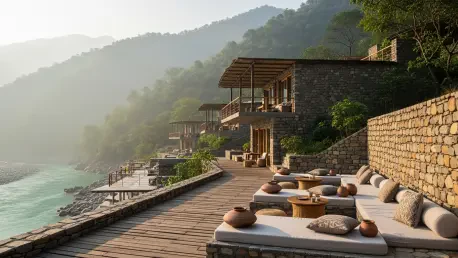

The historical perception of Rishikesh as a rugged spiritual retreat has been fundamentally altered by the emergence of a conscious luxury movement that prioritizes environmental stewardship and cultural depth over traditional displays of wealth. This profound transformation reflects a significant evolution in the global traveler’s psyche, moving away from ostentatious consumption toward a form of travel that is intentional, emotionally resonant, and deeply connected to the natural world. In this new landscape, the guest experience is no longer defined by excess or artificial grandeur but by the quality of one’s engagement with the surrounding environment and the local heritage. The unique geography of the region, nestled where the sacred Ganges River emerges from the Himalayan foothills, provides a natural foundation for this shift toward sustainable living. This setting serves as the backdrop for a hospitality revolution where the industry is moving toward a model that respects the local ecosystem rather than exploiting it for commercial gain. It attracts a new demographic of high-net-worth individuals who prioritize environmental health and social equity without wanting to sacrifice the refined amenities of a high-end resort. By fostering a symbiotic relationship between the visitor and the destination, Rishikesh is establishing a global benchmark for how luxury can serve as a catalyst for positive ecological and social change.
Redefining Opulence: The Shift toward Intentionality
Historically, the luxury hotel sector was defined by a sense of grandiosity, often featuring massive international buffets and architectural designs that clashed with their natural surroundings to emphasize human dominance over nature. Today, the prevailing trend in the Himalayan region favors a philosophy of quiet luxury, which emphasizes minimalism, authenticity, and a high degree of intentionality in every guest interaction. Modern luxury is increasingly defined by the purity of the air, the deep silence of the forest, and the peace of mind that comes from knowing a stay contributes directly to the preservation of the destination. This shift represents a broader psychological movement among travelers who are seeking a reprieve from the noise of urban life and the superficiality of mass-market tourism. Resorts are now designed to facilitate reflection and presence, providing spaces that encourage guests to slow down and appreciate the subtle nuances of the mountain landscape. By stripping away the unnecessary and focusing on high-quality, sustainable materials, these establishments offer a more profound sense of comfort that resonates on a spiritual level, aligning perfectly with the region’s long-standing reputation as a center for personal growth.
The rise of the conscious traveler has forced the hospitality industry to move beyond surface-level aesthetics and address the core ethical implications of luxury operations. Visitors now actively research a property’s environmental credentials before booking, looking for specific indicators of responsible management such as closed-loop water systems and comprehensive carbon-offsetting programs. This demand for transparency has led to a new era of accountability where luxury is validated by a property’s impact on its surroundings. In Rishikesh, this has manifested as a competitive advantage for hotels that can prove their commitment to the land through measurable outcomes, such as biodiversity restoration or the elimination of single-use plastics. The value proposition has shifted from “what can the hotel provide for me” to “how does my presence here support the local environment.” Consequently, the most successful properties are those that integrate these ethical considerations into every aspect of the guest journey, from the moment of arrival to the final departure. This transition ensures that the growth of the tourism sector does not come at the expense of the region’s fragile ecology, fostering a resilient economy that can thrive from 2026 to 2030 and beyond while maintaining the integrity of the Himalayan foothills.
Ecological Integration: Architecture and Natural Systems
Sustainable luxury properties in the region are characterized by biophilic architecture that integrates seamlessly into the steep mountain terrain, utilizing materials that honor the local geography. Instead of the invasive steel and glass towers that dominate many modern cities, these resorts prioritize the use of reclaimed wood, river stone, and lime plaster, which offer high thermal mass and lower the carbon footprint of construction. Features such as natural ventilation, expansive open-air corridors, and strategically placed skylights reduce energy consumption while enhancing the guest’s sensory connection to the Himalayan climate and natural sunlight. This design philosophy recognizes that the most luxurious amenity a hotel can offer is an unhindered view of the forest and the river, presented in a way that feels like an extension of the wilderness. By utilizing traditional building techniques and local craftsmanship, these structures provide a sense of place that is missing from generic international hotel chains. The result is a built environment that feels both sophisticated and humble, proving that high-end engineering can coexist with ecological sensitivity to create spaces that are both beautiful and functionally efficient.
Technological innovation plays a crucial role in supporting these architectural goals, with many resorts implementing advanced systems to manage resources without compromising the guest experience. Solar power arrays are increasingly common, often integrated into the rooftops or landscaping to provide clean energy while remaining visually unobtrusive. Sophisticated rainwater harvesting and greywater recycling systems ensure that the resort’s water needs are met without depleting the local watershed, which is a vital concern in the mountain regions. Waste management has also evolved, with on-site composting facilities and decentralized waste-to-energy systems becoming standard features of top-tier eco-resorts. These technical solutions are often highlighted to the guests, not as a gimmick, but as a core part of the resort’s identity, educating visitors on the possibilities of sustainable living. By demonstrating that high-performance environmental systems can be seamlessly integrated into a luxury setting, these properties are setting a new standard for the industry. This approach ensures that the physical presence of the hospitality sector contributes to the long-term health of the Ganges ecosystem, preserving the very beauty that draws travelers to the region in the first place.
Culinary Authenticity: Sourcing and Agrarian Support
The culinary landscape in Rishikesh has undergone a significant transformation, with high-end dining moving away from imported delicacies in favor of hyper-local sourcing and regenerative agriculture. By prioritizing the farm-to-table movement, these resorts reduce the significant carbon footprint associated with long-distance food transportation while providing direct economic support to nearby agrarian communities. Seasonal menus now highlight the unique biodiversity of the Uttarakhand hills, featuring ingredients such as finger millet, amaranth, and wild-foraged herbs that were previously ignored by mainstream hospitality. This focus on regional flavors offers a superior culinary experience, as the produce is fresher, more vibrant, and more nutrient-dense than standard international fare. Chefs are increasingly collaborating with local farmers to grow specific heirloom varieties of vegetables and grains, ensuring that traditional agricultural knowledge is preserved and valued. This gastronomic shift creates a more authentic connection for the guest, who can taste the specific nuances of the mountain soil and climate in every meal. Furthermore, it reinforces the idea that true luxury is found in the integrity and origin of the ingredients, rather than the rarity or price of imported goods.
Sustainability in the kitchen extends beyond sourcing to include rigorous waste reduction protocols and circular management practices that minimize the environmental impact of food service. Many luxury properties have established their own organic gardens and orchards, allowing guests to participate in the harvesting process and learn about the local ecosystem. This hands-on engagement fosters a deeper appreciation for the effort required to produce high-quality food and highlights the interconnectedness of human health and environmental health. On-site composting systems transform kitchen scraps into nutrient-rich soil, which is then used to fertilize the gardens, creating a closed-loop system that eliminates the need for chemical fertilizers. By educating guests on these practices, resorts are promoting a more mindful approach to consumption that extends beyond the duration of their stay. This culinary philosophy proves that ethical dining can be both sophisticated and satisfying, offering a sophisticated alternative to the wasteful practices of the past. As a result, the region has become a destination for food enthusiasts who value transparency and sustainability as much as flavor and presentation, further cementing its reputation as a leader in conscious luxury.
Immersive Wellness: Healing through the Environment
Wellness in this new era of conscious travel has evolved into an immersive practice that utilizes the raw beauty of the natural environment as a primary healing tool. Practitioners are moving beyond the traditional spa setting to offer riverside yoga, forest meditation, and therapies that incorporate regional herbs and minerals sourced directly from the Himalayas. This holistic approach recognizes that the primary ailment of the modern urban traveler is a profound disconnection from nature, and the solution lies in re-establishing that bond through sensory engagement with the earth. Digital detox protocols are frequently integrated into the guest experience, encouraging individuals to trade screen time for the observation of local birdlife or the sound of the rushing Ganges. These activities are designed to lower cortisol levels and improve mental clarity, providing a genuine psychological reset that artificial environments cannot replicate. By focusing on the intersection of physical health and ecological awareness, these resorts offer a sanctuary where guests can reclaim their vitality while developing a more harmonious relationship with the world around them. This model of wellness is not merely about relaxation but about personal transformation and the cultivation of a more sustainable lifestyle.
A vital component of this wellness model is social sustainability, where hotels actively benefit the local population by ensuring that tourism revenue stays within the community. Forward-thinking properties prioritize the employment of regional residents and provide extensive training programs to ensure that the benefits of high-end tourism are distributed equitably. This commitment to the local workforce extends to the procurement of hotel amenities and decor, where resorts collaborate with regional artisans to showcase traditional weaving, pottery, and woodworking. By integrating these crafts into the guest experience, hotels help preserve endangered cultural traditions and provide craftsmen with a global platform for their work. This ethical alignment creates a more authentic and emotionally resonant atmosphere for the guest, who can appreciate the human stories behind the objects they interact with daily. Moreover, many resorts reinvest a portion of their profits into community projects such as local schools, clinics, and reforestation efforts, ensuring that the presence of the property actively improves the quality of life for its neighbors. This strategy builds a foundation of mutual respect and long-term stability, creating a welcoming environment that benefits both the visitor and the local population.
The Conscious Legacy: Future Standards for Tourism
The successful implementation of the conscious luxury model in the Himalayan foothills demonstrated that profitability and environmental preservation were not mutually exclusive concepts. Stakeholders in the region realized that the long-term viability of the tourism industry depended entirely on the health of the local ecosystem and the well-being of the community. This recognition led to a fundamental shift in how success was measured, moving away from simple occupancy rates to include complex metrics for biodiversity net gain and community resilience. Developers and investors shifted their focus toward long-term land stewardship, ensuring that new projects remained within the carrying capacity of the local watershed and did not disrupt vital wildlife corridors. The proactive adoption of regenerative technologies, such as atmospheric water generators and advanced waste-to-energy systems, provided a clear roadmap for other fragile destinations around the world. These measures ensured that the region remained a leader in sustainable travel, attracting a global audience of travelers who were committed to making ethical choices. By treating the natural landscape as a vital asset to be protected rather than a resource to be extracted, the local hospitality sector secured its future and established a legacy of responsibility.
The transformation of the guest experience into one of temporary guardianship fostered a global community of travelers who were dedicated to the principles of environmental and social integrity. This shift encouraged other destinations to move toward a more high-value, low-impact model that prioritized the preservation of natural and cultural heritage over mass-market expansion. Educational programs within the resorts played a key role in this transition, providing guests with the knowledge and tools needed to implement sustainable practices in their own lives. This ripple effect expanded the impact of the conscious luxury movement far beyond the borders of India, influencing global trends in architecture, gastronomy, and wellness. The collaboration between international hospitality brands and local communities created a robust framework for ethical tourism that balanced human comfort with the needs of the planet. Ultimately, the lessons learned in the foothills of the Himalayas served as a powerful reminder that the most enduring form of luxury was the one that contributed to the flourishing of life in all its forms. This holistic approach ensured that the sacred landscapes of the Ganges and the mountains were preserved for future generations, maintaining their role as a source of inspiration and healing for the entire world.