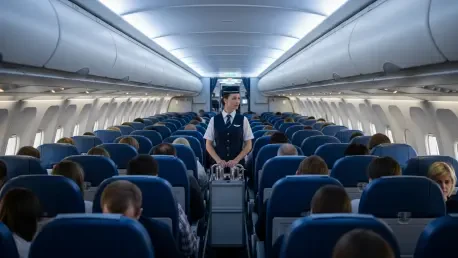

The golden age of civil aviation has yielded to a period characterized by unprecedented cabin volatility, transforming what was once a routine commute into a high-stakes environment for employees. As commercial flight paths remain more congested than ever in 2026, the psychological state of the average traveler appears to have shifted toward a lower threshold for frustration and a higher propensity for outward aggression. This change is not merely anecdotal; it reflects a documented increase in incidents that range from verbal harassment to physical confrontations that threaten the structural integrity of flight operations. Flight crews, positioned at the intersection of customer service and federal safety enforcement, find themselves bearing the brunt of this societal friction. The immediate consequence is a workspace that demands constant vigilance, where the primary objective has pivoted from ensuring passenger comfort to mitigating potential violence before it can escalate into a full-scale emergency during transit.
Behavioral Shifts: Analyzing the Dynamics of Modern In-Flight Conflict
The Spectrum of Disruptive Behaviors in the Cabin
Modern air travel is increasingly defined by a wide range of aggressive behaviors that compromise cabin safety and order in ways that were previously unimaginable. Beyond simple rudeness or verbal disagreements over seating assignments, flight attendants now routinely confront physical intimidation and alarming attempts to breach emergency exits while the aircraft is in flight. These high-risk actions are often fueled by a combination of travel-related anxiety and a lack of understanding regarding the severe legal consequences of interfering with flight crew duties. The frequency of these outbursts has forced airlines to rethink their approach to passenger management, as the traditional methods of polite request are no longer sufficient to maintain control in a crowded cabin. This escalation of hostility suggests a fundamental shift in the social contract between the traveling public and the professionals who are responsible for their safety during the journey through the skies.
The Deterioration of Professional Standards and Mental Health
The psychological burden on aviation professionals has reached a critical level as their job descriptions continue to expand into the realms of security and psychology. Despite being federally authorized safety officers with extensive training in emergency procedures, flight attendants often face a profound lack of respect from travelers who view them primarily as service staff. This disconnect is particularly damaging to morale, as crews are expected to transition instantly from serving beverages to managing violent outbursts or medical emergencies. The cognitive load required to maintain this dual identity is immense, leading to high rates of burnout and emotional exhaustion across the industry. As the line between hospitality and law enforcement blurs, many veterans are questioning the long-term sustainability of their careers, especially as the intensity of the work continues to outpace the traditional rewards associated with the role. Addressing these issues will require a systemic change in culture.
Industry Drivers: Structural Foundations of the Current Operational Crisis
Economic Pressures and the Reality of Staffing Limitations
The current instability within the aviation sector is deeply rooted in an economic-behavioral loop where airlines prioritize profitability through dense seating. These lean staffing models and maximized cabin configurations allow for competitive pricing and high load factors, but they also significantly increase passenger discomfort and stress levels. When individuals are confined to small spaces for several hours with limited personal territory, the probability of a behavioral outburst increases exponentially. Industry experts have pointed to a clear trend where the physical environment of the modern aircraft acts as a catalyst for conflict, as minor inconveniences are amplified by the lack of physical breathing room. This focus on maximizing revenue per square inch has created a volatile atmosphere where the slightest provocation can lead to a confrontation, leaving the flight crew to manage the fallout of an environment they did not design or control.
Bridging the Gap Between Training and Reality
The resolution of this crisis required a comprehensive overhaul of federal enforcement policies and airline operational models to ensure safety. It became evident that simply increasing training hours was insufficient without addressing the underlying causes of passenger aggression and the lack of staffing. Regulatory bodies moved toward stricter penalties for misconduct, while airlines began to reevaluate the impact of cabin density on the well-being of both passengers and staff. Labor unions successfully negotiated for enhanced security presence on high-risk routes and improved access to mental health resources for crew members who experienced trauma. These steps represented a critical shift toward a more sustainable aviation industry that prioritized the human element over mere operational efficiency. By acknowledging the limits of what a single flight attendant could manage, the sector started to rebuild a foundation of mutual respect and safety that protected the future of global travel.