Katarina Railko brings a sophisticated perspective to the intersection of luxury hospitality and specialized commercial real estate. With an extensive background in travel, tourism, and high-level event management, she has become a leading voice in how “experiential hospitality” transforms functional spaces into vibrant community hubs. Today, she shares her insights into the strategic management of The Benson Hotel & Faculty Club, a unique 106-room asset that serves as the prestigious “front door” for the University of Colorado Anschutz Medical Campus.
Our discussion explores the nuances of tailoring high-end service for a scientific community, the evolution of exclusive academic lounges, and the design philosophies that ground a luxury property in its regional identity. We also delve into the operational complexities of aligning a commercial hospitality asset with the broader mission of a major university and how to create refined retreats within high-pressure medical environments.
Managing a 106-room luxury asset on a specialized medical campus requires a unique operational approach. How do you tailor the guest experience for medical professionals and visiting scholars, and what specific metrics do you use to measure the success of hospitality that prioritizes community connection?
Tailoring the experience for a medical and academic clientele requires a departure from traditional leisure hospitality; it is about anticipating the needs of individuals who are often under immense professional pressure. We focus on creating a seamless, low-friction environment where a visiting scholar can transition from a high-stakes lecture to a refined retreat without missing a beat. Success isn’t just measured by occupancy or RevPAR, but by “connection metrics,” such as the frequency of repeat visits from the medical community and the volume of collaborative events hosted within our walls. We look closely at how often our 106 rooms serve as the home base for returning researchers, as this indicates we are successfully becoming an extension of the campus itself. By prioritizing these meaningful experiences, we ensure the hotel feels less like a transient stop and more like a permanent pillar of the Anschutz community.
The Faculty Club serves as a dedicated environment for academic and medical leaders to collaborate. What specific steps will you take to evolve this exclusive program, and how do you ensure the space facilitates genuine innovation rather than functioning as a standard lounge?
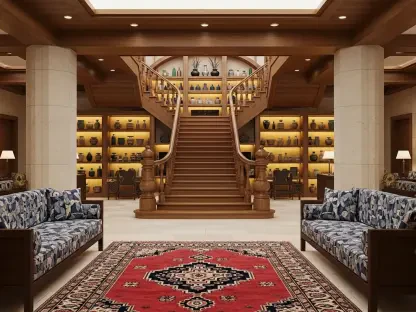
The Faculty Club is the heart of this property, and its evolution depends on moving beyond the “lounge” label to become a true incubator for ideas. To do this, we are expanding the program to include more structured networking opportunities and curated sessions that specifically invite visiting scholars to engage with local faculty. It’s about the “social architecture” of the room—ensuring the seating, service flow, and acoustics are all optimized for the kind of deep, focused conversation that leads to medical breakthroughs. We are committed to making this an exclusive environment where the next generation of researchers feels as comfortable as the chancellor. By fostering this sense of shared purpose, the space becomes a catalyst for the innovation that defines the CU Anschutz Medical Campus.
Guestrooms at the property are designed around four distinct regional themes: Campus, Mountain, Garden, and Plains. How does this specific design strategy influence a visitor’s sense of place, and how do you use locally sourced ingredients at the restaurant to reinforce that regional identity?
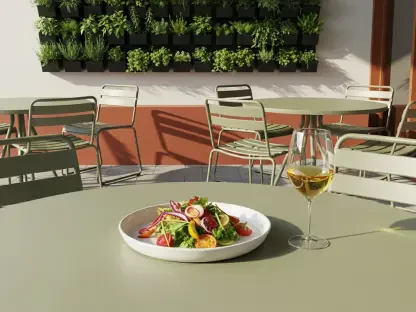
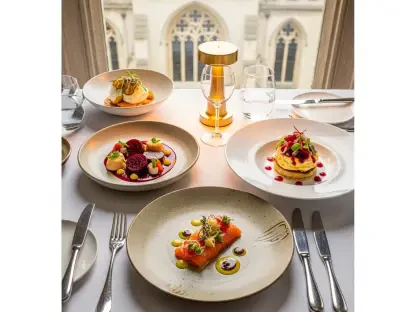
Design is a powerful tool for grounding a guest, especially when they are traveling from afar to a specialized campus; the four themes allow us to tell a story about Colorado’s diverse topography. When a guest stays in a “Mountain” themed room, the textures and palettes provide a sensory escape, while the “Plains” or “Garden” themes offer a more grounded, serene atmosphere. We reinforce this visual narrative at our restaurant, The Common Good, where the menu is a literal taste of the region. By using locally sourced ingredients in our seasonal dishes and craft cocktails, we create a bridge between the physical room design and the culinary experience. It ensures that whether a guest is dining or resting, they have a tangible, high-quality connection to the Colorado landscape.
As the University of Colorado has transitioned to owning this property as a campus amenity, how do you align luxury hospitality standards with a university’s broader mission? What are the practical challenges of managing a hotel that serves as the “front door” for a major institution?
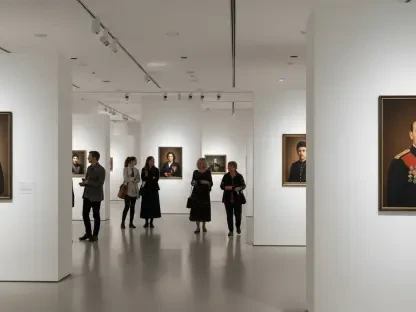
Aligning luxury standards with an academic mission means recognizing that the hotel is a representation of the university’s prestige and commitment to excellence. The primary challenge is balancing the “front door” responsibility—being the first point of contact for VIPs and donors—with the practical, daily needs of a functioning medical campus. We must maintain a five-star feel while remaining accessible and useful to the people who work across the street every day. This requires a management style that is both highly polished and deeply integrated into the university’s culture. We see our role as stewards of the university’s reputation, ensuring every touchpoint reflects the high standards of one of the nation’s leading academic medical centers.
High-end fitness amenities and flexible meeting spaces are increasingly central to lifestyle-driven hotels. How do you curate these facilities to meet the high-pressure needs of medical campus visitors, and can you share a step-by-step strategy for making these spaces feel like a refined retreat?
To meet the needs of high-pressure professionals, our strategy begins with 24/7 accessibility, ensuring a surgeon finishing a late shift can access our Peloton-equipped fitness center at any hour. The next step is “environmental softening,” where we use lighting, high-end materials, and thoughtful layouts to turn a standard meeting room into a space that feels like a private sanctuary. Third, we integrate wellness into our flexible spaces, offering healthy, locally sourced catering options that keep energy levels stable during long academic sessions. Finally, we provide intuitive technology and concierge-level support so that the logistical side of a meeting is completely invisible to the participants. This four-step approach—access, ambiance, nourishment, and support—ensures that even a workspace feels like a luxury retreat.
What is your forecast for the future of luxury hospitality on major academic and medical campuses?
I anticipate a significant surge in “specialized luxury” where major institutions no longer settle for standard branded hotels, but instead demand bespoke properties that act as an ecosystem for their specific community. We will see more universities following the CU Anschutz model, acquiring or developing high-end assets to control the “guest experience” of their researchers and partners. The future lies in hyper-local, mission-aligned hospitality where the hotel is not just a place to sleep, but a strategic tool for talent recruitment and institutional prestige. We are moving toward a world where the lines between a university campus and a luxury lifestyle destination are beautifully and permanently blurred.