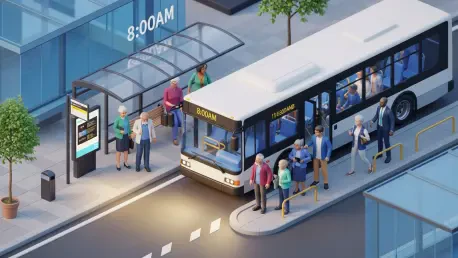

Millions of elderly residents and disabled commuters across urban centers currently find themselves tethered to an arbitrary time constraint that dictates when their mobility begins each day. This policy, which restricts the use of free bus passes until after the morning rush hour concludes at 9:30 AM, was originally designed to prevent overcrowding during peak travel periods. However, the socio-economic landscape has shifted significantly, leaving many vulnerable individuals isolated during the hours they need transportation most for medical appointments or community engagement. While municipal leaders argue that allowing free travel earlier would overwhelm a strained public transport system, advocates point to the increasing number of retirees who contribute to the local economy through morning volunteering. The debate centers on whether the financial cost of lost fare revenue outweighs the societal benefits. As agencies evaluate their 2026 budgets, the pressure to reform these rigid rules continues to mount daily.
Socioeconomic Realities: Balancing Revenue and Social Inclusion
Extending free travel to the early morning hours addresses a critical gap for low-income seniors who must navigate essential services before the mid-morning cutoff. Many specialist medical consultations and government assistance appointments are scheduled for 8:00 AM or 9:00 AM, forcing those on fixed incomes to choose between paying a full peak fare or arriving late. This financial barrier often results in missed healthcare opportunities or increased reliance on expensive private transport services, which further depletes limited personal resources. Furthermore, the modern labor market increasingly relies on part-time and early-shift roles often filled by older workers who remain in the workforce past traditional retirement ages. By maintaining the 9:30 AM restriction, cities effectively penalize the very individuals they aim to support, creating a cycle of restricted movement that stifles local economic participation. Transitioning to a more flexible model could foster greater independence.
From a logistical perspective, the primary concern for transit authorities remains the physical capacity of the bus fleet to handle additional non-paying passengers during the densest part of the commute. Data from regional transport hubs suggests that buses are often at high capacity between 7:30 AM and 9:00 AM, leaving little room for those traveling for non-work purposes. Critics of lifting the ban argue that the influx of pass holders would lead to safety concerns and increased boarding times, potentially delaying thousands of workers. However, recent advancements in real-time passenger tracking and AI-driven route optimization provide tools to manage this influx more effectively than in previous decades. By analyzing boarding patterns, agencies can deploy larger vehicles or increase frequency on high-demand lines to accommodate a more diverse rider base without compromising service quality. The focus must remain on optimizing existing infrastructure rather than relying on outdated prohibitive measures.
The evaluation of morning bus pass restrictions required a comprehensive shift in how urban planners prioritized the needs of a diverse population. Successful municipalities adopted a pilot-program approach, testing early-access hours on specific high-capacity routes to gather empirical data on passenger flow and revenue impact. These trials provided the necessary evidence to justify a permanent shift toward inclusive transit policies that better reflected the realities of the modern city. Moving forward, authorities implemented dynamic routing systems that adjusted in real-time to prevent overcrowding while ensuring that no resident was left behind due to financial constraints. The focus shifted toward securing long-term funding through public-private partnerships and regional carbon tax revenues to offset any potential loss in fare-box receipts. By prioritizing the removal of mobility barriers, city leaders fostered a resilient community where access to transportation was no longer dictated by the hands of a clock.