
The correlation between a worker’s domestic environment and their professional output has never been more evident than in the current industrial landscape of the Middle East. As regional temperatures continue to climb during the peak summer months, the Ministry of Human Resources and Emiratisation has moved beyond traditional regulatory oversight to initiate a transformative awareness campaign titled “Decent Accommodation… A Stable Work Environment.” This strategic push recognizes that the physical and mental health of the workforce is the bedrock of national economic resilience. By shifting the narrative from mere compliance to a philosophy of holistic wellbeing, the government aims to ensure that every laborer has access to a sanctuary that facilitates recovery and rest. Such initiatives are no longer viewed as optional corporate social responsibility but as critical infrastructure for a sustainable economy. Ensuring high standards in housing directly mitigates the risks of heat-related illnesses and exhaustion, which in turn reduces workplace accidents and enhances the overall efficiency of large-scale projects across the country.
This comprehensive initiative specifically targets the operational standards of labor accommodations to foster a sense of dignity and security among the global workforce. The Ministry’s guidelines emphasize that providing quality housing is a fundamental obligation that reflects the nation’s commitment to human rights and labor excellence. Beyond the structural integrity of the buildings, the campaign focuses on the interior conditions that define daily life, such as the availability of advanced cooling systems and clean, filtered drinking water. By integrating these requirements into the national regulatory framework, the government ensures that the living standards of laborers keep pace with the rapid technological and architectural advancements seen in the urban centers. This proactive stance serves to attract and retain skilled talent from around the world, reinforcing the reputation of the region as a premier destination for professional growth. Ultimately, the success of this campaign depends on the seamless coordination between private sector employers and state inspectors to maintain a transparent and accountable housing ecosystem.
Enhancing Safety Protocols and Digital Connectivity
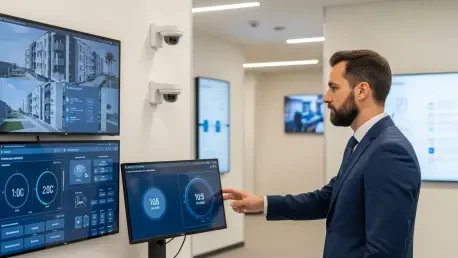
Modern labor housing is evolving into a sophisticated residential model that prioritizes the technological and psychological needs of the modern employee. Current mandates from the Ministry of Human Resources and Emiratisation now require the implementation of robust security measures, including the installation of high-definition surveillance systems and the deployment of professional security personnel. These steps are designed to create a protected environment where workers can feel safe and focus on their personal development outside of working hours. Furthermore, the push for digital connectivity has become a central pillar of the new housing standards, with reliable internet access being classified as a necessity rather than a luxury. Providing high-speed connectivity allows workers to maintain vital links with their families abroad, which significantly reduces the psychological strain associated with long-term relocation. This holistic approach to safety and communication ensures that the residential facilities are not just places to sleep, but communities that support the emotional and social health of every individual.
To further institutionalize these improvements, the Ministry has introduced a rigorous digital registration process that requires every housing facility to be logged within official government systems. This database allows for real-time monitoring and ensures that worker data is consistently updated to reflect the true occupancy and condition of each site. Building on this digital foundation, employers are encouraged to appoint dedicated facility supervisors who serve as a direct bridge between the workforce and the management. These supervisors are tasked with addressing maintenance issues immediately and resolving grievances before they escalate, thereby fostering a culture of mutual respect and operational excellence. The integration of informational screens and educational materials within common areas also plays a vital role in keeping workers informed about their rights and the available health resources. By professionalizing the management of labor accommodations, the UAE is setting a new benchmark for industrial welfare that aligns with international best practices and promotes a stable, high-performing labor market.
Strategic Implementation and Future Operational Readiness
The transition toward these elevated housing standards required a decisive shift in how corporate entities viewed their long-term investment in human capital. Forward-thinking organizations began integrating these housing costs into their primary operational budgets, recognizing that the initial capital expenditure would be offset by the gains in worker longevity and reduced turnover rates. Moving forward, stakeholders should prioritize the adoption of modular and sustainable building technologies that allow for rapid upgrades to existing facilities without disrupting the lives of the residents. Implementing smart building sensors to monitor air quality and temperature in real-time could provide facilities managers with the data needed to optimize energy use while maintaining peak comfort levels. These technological integrations will likely become the standard for all new construction projects through 2027 and beyond, ensuring that the infrastructure remains resilient against environmental challenges.
Practical steps for the immediate future involved the establishment of internal audit teams within construction and service companies to conduct weekly inspections of their housing stock. These teams functioned as a first line of defense, identifying potential maintenance failures before they impacted the residents’ quality of life. Additionally, expanding the role of on-site welfare officers to include mental health advocacy provided a more comprehensive support system for the diverse workforce. As the industry moves toward a more integrated model of worker care, the focus shifted toward creating communal spaces that encouraged physical activity and social interaction, such as well-equipped fitness centers and community gardens. These enhancements transformed the concept of labor housing from a logistical necessity into a competitive advantage for firms seeking to lead in the global market. By consistently exceeding the minimum regulatory requirements, employers demonstrated a commitment to excellence that resonated throughout the entire supply chain, eventually influencing regional standards and elevating the dignity of labor on a global scale.