
The serene silence of a northern wilderness evening can transform into a chaotic landscape of splintered pine and shredded canvas within mere minutes when a severe weather front moves across the plains. For many campers at Alberta’s Dillberry Lake Provincial Park, the terrifying experience of a sudden tornado underscored the volatility of modern weather patterns and the immediate need for emergency evacuations. Once the sirens fall silent and the survivors emerge from their shelters, the visceral relief of safety is often quickly overshadowed by the daunting sight of flattened tents and crushed vehicles. The wreckage left behind by such natural disasters poses a complex question that many outdoor enthusiasts fail to consider until it is far too late to prepare. While there is a common assumption that park management or the local government might provide a safety net for those who suffer losses on public land, the actual financial framework is far more restrictive than most travelers realize. Navigating this recovery process requires a granular understanding of liability, private insurance nuances, and the limits of institutional responsibility in an era of intensifying climate events.
Institutional Limitations: Private Insurance Realities
In the immediate aftermath of a severe atmospheric event, the primary mandate for park authorities is human safety and the rapid stabilization of the facility to prevent further injury. Agencies like Alberta Parks prioritize clearing downed trees, restoring power, and ensuring that roadways are safe for emergency vehicles and exiting campers before even considering the financial logistics of the incident. While these organizations typically offer full refunds for camping reservations disrupted by natural disasters or mandatory closures, these payments are strictly limited to the base cost of the site itself. There is no provision within standard provincial or national park policies to reimburse a traveler for the loss of a tent, a portable stove, or expensive sleeping gear. The refund represents a return for services that could not be rendered, such as a secure plot of land and access to facilities, rather than an admission of liability for the unpredictable actions of nature.
Many outdoor enthusiasts are surprised to find that their primary source of financial recovery for damaged camping equipment is actually found in their homeowners or renters insurance policy. High-value items such as professional-grade mountaineering tents, high-tech sleeping systems, mountain bikes, and portable electronics are typically classified as personal property within these standard agreements. Most comprehensive policies include “off-premises” coverage, which extends protection to your belongings even when they are miles away from your primary residence. This is a critical feature for campers who may be carrying several thousand dollars worth of gear in the back of a truck or inside a trailer. Whether the items are stolen or destroyed by a covered peril like fire or wind, the policy serves as a safety net. However, the extent of this coverage varies significantly between different providers, making it essential for individuals to review their specific policy limits and deductibles regularly.
Strategic Preparedness: Future Risk Management
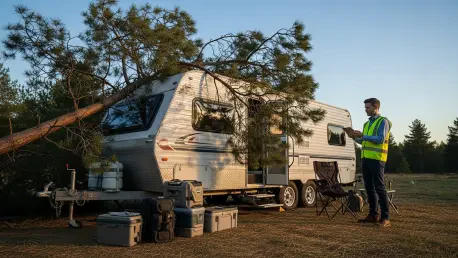
For those traveling with motorhomes or trailers, the financial risk of severe weather is notably higher, requiring a more specialized insurance approach than standard tent camping. A basic liability policy rarely covers the cost of a trailer flipped by wind or a windshield shattered by hail; instead, owners must maintain comprehensive coverage to handle non-collision events like fallen branches or floods. Beyond the vehicle itself, travel insurance acts as a secondary layer of protection by addressing the logistical costs of a disrupted trip, such as non-refundable reservation fees or the need for emergency hotel stays. While these policies do not typically cover physical damage to the RV or gear, they provide critical reimbursement for the “lost time” and unexpected expenses that arise when a park is forced to close. By combining comprehensive vehicle protection with a robust travel interruption policy, campers can ensure that they are not left with astronomical out-of-pocket costs.
The strategic transition toward proactive financial planning became the most effective defense for seasoned travelers who recognized the inherent risks of a volatile climate throughout 2026. It was determined that individuals who conducted thorough policy audits and maintained digital records of their equipment were able to navigate the claims process with significantly less friction. Those who successfully recovered from storm damage often utilized a multi-tiered approach that balanced high deductibles with specialized riders for high-value gear. By examining the patterns of successful recovery, it was discovered that the most resilient campers were those who treated insurance as a vital piece of their standard packing list. Experts recommended that all outdoor enthusiasts document their assets with high-resolution imagery and receipts before embarking on any wilderness excursion. These historical lessons highlighted that personal responsibility remained the cornerstone of modern travel preparedness.