
Katarina Railko brings specialized knowledge from her extensive background in travel, tourism, and large-scale event management. Her ability to identify the underlying value of leisure-driven assets makes her a key voice in understanding regional hospitality shifts. Today, we explore the strategic acquisition of an eight-hotel portfolio in Virginia Beach and the Outer Banks, examining how regional demand and historical growth intersect with modern investment goals.
How would you evaluate the investment logic behind targeting these specific, supply-constrained beachfront markets in Virginia and North Carolina?
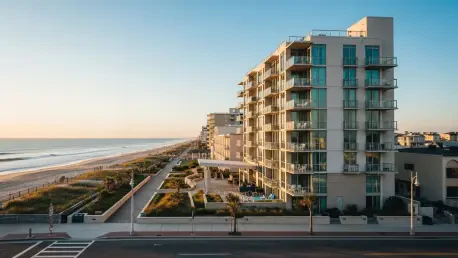
This acquisition of 965 rooms is a calculated move into markets where the barrier to entry is exceptionally high. Most of these eight hotels sit on prime beachfront land where new development is heavily restricted by both geography and local zoning laws. This scarcity creates a natural moat for the investment, ensuring the properties stay competitive without the threat of a sudden influx of new supply. By securing these assets, the firm taps into resilient leisure demand that typically survives economic shifts better than urban business centers. It is a textbook example of finding long-term value in regions with limited inventory and high demand.
These properties were part of a legacy started in 1968. What does the transition of this privately-held portfolio to an institutional firm suggest about the current evolution of Mid-Atlantic tourism?
It is truly remarkable that Thomas J. Lyons Jr. began his journey in 1968 with a humble 12-room inn and eventually built a portfolio of nearly 40 hotels. This transition signals a “passing of the torch” where institutional capital seeks to build upon decades of local expertise and established market presence. There is real emotional weight here, as these hotels represent the growth of Mid-Atlantic tourism from a small family-run operation into a sophisticated regional powerhouse. The sale of these eight hotels highlights how valuable meticulously assembled, decades-old portfolios have become to modern investors. The history of these assets adds a layer of character and established reputation that new builds often lack.
With five properties renovated since 2022, what are the primary operational priorities for the new management group to maintain this performance momentum?
Maintaining momentum requires a seamless transition to Schulte Hospitality Group, who will now oversee the daily operations and management of the portfolio. Since five of the hotels have undergone significant renovations since 2022, the immediate focus should be on maximizing returns through guest-facing upgrades and service excellence. Brand names like Marriott and Holiday Inn already carry significant consumer trust in these coastal areas, providing a strong foundation for the new team. The management will likely implement operational enhancements to ensure the guest experience is consistent and premium across all 965 rooms. This operational shift is the key to driving additional value from the existing high-quality infrastructure.
How do you see the balance of leisure, corporate, and government demand impacting the long-term value of these select-service assets?
These locations are unique because they do not just rely on vacationers; they benefit from a diverse mix of government and corporate demand drivers. Having a presence in both Kitty Hawk and Virginia Beach allows the operator to capture a massive share of the East Coast traveler market throughout the year. By focusing on select-service models, the owners can maintain high operating margins while providing quality stays for different types of guests. These assets provide the exact amenities that modern families, military personnel, and government contractors require for their stays. The geographical and demographic diversity within the portfolio helps mitigate the risks typically associated with seasonal fluctuations.
What is your forecast for the coastal hospitality market?
I anticipate the Mid-Atlantic coastal market will see a steady increase in value as travelers continue to prioritize accessible “drive-to” destinations. The concentration of renovated, high-quality assets in this portfolio will likely lead to higher average daily rates during the peak summer months. We will probably see much better operational efficiency as professional management implements new technology and centralized systems across the hotels. Ultimately, these beachfront markets are poised for long-term stability because they offer a timeless vacation experience that remains a top priority for the American public. Investors will continue to seek out these resilient demand drivers in established leisure hubs for years to come.