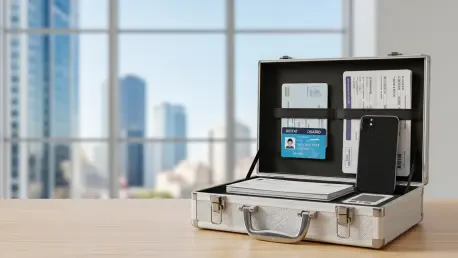

The persistent belief that advanced mobile technology and instant global communication would render the need for diplomatic intervention obsolete has been thoroughly challenged by recent tourism statistics. While travelers today have more information at their fingertips than any previous generation, the complexity of moving through a hyper-connected yet administratively dense world has created a surprising reliance on governmental support. As global mobility reaches new heights, the safety net provided by foreign ministries has become more active than ever, revealing that digital tools are no substitute for professional diplomatic mediation when things go wrong on foreign soil.
The Modern Voyager’s Paradox: Why Increased Connectivity Leads to More Diplomatic Calls
The paradox of modern travel lies in the friction between digital seamlessness and physical reality. Tourists often arrive in foreign destinations with a sense of invincibility, bolstered by the ability to book flights, navigate cities, and translate menus through a single handheld device. However, this ease of access frequently leads to a decrease in traditional preparation, leaving travelers vulnerable when they encounter bureaucratic obstacles or medical emergencies that an application cannot resolve. The reliance on digital platforms has, in many ways, obscured the necessity of understanding local legal frameworks and cultural nuances.
Moreover, the instant nature of the modern world has altered consumer expectations regarding assistance. When a crisis occurs, the speed at which information spreads on social media often forces a rapid response from diplomatic missions, which are now expected to provide real-time updates and direct intervention. This connectivity does not just facilitate travel; it amplifies the visibility of every incident, making the embassy the first point of contact for issues that might have once been handled independently. Consequently, the threshold for seeking official help has lowered, as travelers view consular services as a standard component of their international support system.
The underlying importance of this trend cannot be overstated, as it reflects a fundamental shift in the relationship between the citizen and the state during international transit. As more people venture into less traditional or more complex jurisdictions, the role of the foreign ministry has expanded from high-level politics to a hands-on service provider. This evolution suggests that while technology has made the world feel smaller, it has not necessarily made it simpler. The nut graph of this phenomenon is clear: the more we travel, the more we require a formal structure to manage the inevitable risks of a globalized lifestyle.
Quantifying the Surge: Insights from the 2026 Foreign Ministry Travel Report
The scale of this dependency is best understood through the hard data provided by the latest Foreign Ministry reports. Thousands of citizens have required intervention from emergency support systems while overseas, reflecting a significant uptick in cases compared to previous years. The nature of these requests is broad, spanning from the mundane to the life-threatening. While the replacement of lost or stolen passports remains a high-volume activity, there is a growing trend toward requests involving complex legal detentions, medical repatriations, and assistance during regional logistical disruptions.
The statistical overview highlights a hierarchy of destinations where assistance is most frequently sought, though these numbers require careful interpretation. High case volumes in specific countries often correlate more with the sheer density of visitors than with the inherent danger of the location itself. For instance, major aviation hubs and business centers naturally report more incidents because they process more people. The data indicates that the United States, Italy, and Georgia remain significant centers for consular activity, each presenting a unique set of challenges ranging from healthcare costs to vehicle accidents and petty crime.
Analyzing these figures reveals that bureaucratic and document issues still dominate the workload of diplomatic staff. However, the rise in medical and health-related emergencies points toward an aging traveling population and a higher frequency of adventurous tourism in remote areas. Legal complications, including traffic accidents and regulatory misunderstandings, also contribute heavily to the statistics. These trends emphasize that the modern traveler is increasingly navigating environments where the rules of engagement are different from those at home, necessitating a professional intermediary to ensure fair treatment and safety.
Analyzing High-Demand Hubs: Lessons from the UAE, Thailand, and Greece
The United Arab Emirates, Thailand, and Greece serve as the primary case studies for understanding why consular demand peaks in specific regions. The UAE, led by the magnetism of Dubai and Abu Dhabi, has seen a dramatic rise in assistance requests, totaling 615 cases in the most recent reporting period. As a critical intersection for international trade and luxury tourism, the UAE attracts a diverse demographic. The high volume of cases there often involves logistical hurdles at transit points or legal confusion regarding local customs, illustrating how even the most modern environments require careful navigation.
Thailand presents a different profile, recording 347 assistance cases that are largely driven by the leisure and backpacking sectors. The country’s diverse geography, from dense urban centers to remote islands, presents environmental and health risks that differ significantly from Western norms. Requests for help in Thailand frequently involve medical emergencies or administrative issues following accidents in high-traffic tourist zones. This highlights the lesson that popularity brings a proportional increase in risk, and that travelers must be particularly vigilant in destinations where the physical and regulatory environments are starkly different from their home country.
Greece remains a staple for short-haul travel, yet it accounted for 206 assistance requests, primarily involving lost documents and minor accidents. Due to its proximity and the high volume of seasonal visitors, the Greek islands become a hotspot for consular activity during the summer months. The Mediterranean lifestyle, while inviting, often leads to a relaxed attitude toward security, resulting in a higher frequency of document theft or loss. These three hubs demonstrate that whether for business, adventure, or relaxation, the presence of a robust diplomatic network is essential for managing the sheer volume of human movement across borders.
Redefining the Role of the Embassy in an Era of Informed Travel
The traditional image of an embassy as a fortress of high-level diplomacy is rapidly fading, replaced by the reality of a modern service center. Diplomatic missions are now tasked with providing rapid-response support for a mobile population that expects efficiency and accessibility. This shift has forced governments to innovate, utilizing digital identity verification and enhanced communication networks to coordinate with local hospitals, law enforcement, and insurance companies. The embassy has effectively become a travel risk management partner for the citizen, bridging the gap between national rights and foreign regulations.
In this era of “informed travel,” the role of the embassy is also educational. Missions now work proactively to disseminate safety information and legal warnings before travelers even leave home. By leveraging social media and dedicated travel applications, foreign ministries attempt to mitigate risks before they escalate into emergencies. This proactive stance reflects a new philosophy where the goal is to prevent the need for consular intervention through better-educated travelers. However, the complexity of modern crises—ranging from cybercrime to sudden health mandates—means that the demand for direct support remains a cornerstone of diplomatic work.
Furthermore, the integration of travel insurance into the consular conversation has become more prominent. Authorities are increasingly emphasizing that government assistance is not a substitute for comprehensive private coverage. While an embassy can facilitate communication and provide legal guidance, it cannot cover medical bills or the cost of emergency evacuations. This distinction is vital for the modern traveler to understand; the embassy provides the framework for safety, but the traveler must provide the financial and logistical safeguards through proper insurance and preparation.
Essential Protocols for Navigating Safety and Logistical Emergencies Abroad
Navigating the complexities of international travel requires a disciplined approach to preparation and a clear understanding of emergency protocols. The first step for any traveler involved checking official government advisories for regional risks and legal specificities. Registering with the relevant embassy before departure ensured that authorities knew how to reach citizens in the event of a large-scale crisis. This simple act of foresight often meant the difference between a managed situation and a chaotic one, providing a direct line of communication during times of uncertainty.
Maintaining a dual system of documentation was also a critical safeguard for those who avoided major logistical disruptions. By keeping both physical and digital copies of passports, insurance policies, and emergency contacts, travelers were able to expedite the replacement process if their primary documents were lost or stolen. While abroad, staying aware of local laws and utilizing official transportation services remained the most effective ways to reduce the risk of legal or safety complications. If a serious problem occurred, the established protocol was to contact diplomatic assistance immediately to ensure that legal rights were protected from the outset.
The travel landscape transformed into a more regulated environment where foresight replaced spontaneity. Those who integrated these safety protocols into their routines successfully minimized the impacts of unforeseen crises. Ultimately, the rise in consular requests signaled a shift toward a more responsible and globally aware traveling public. Governments and citizens alike recognized that the freedom of global movement depended on the strength of the support systems that underpinned every journey, ensuring that the world remained accessible to everyone.