
The rapid escalation of the fire at the Malaga luxury resort highlights a systemic vulnerability in modern Mediterranean high-rise architecture that conventional emergency response teams struggle to address. Firefighters encountered a complex “chimney effect” within the central atrium, where temperatures surged beyond the suppression capacity of standard localized sprinkler systems. This phenomenon occurs when heat rises through vertical voids, drawing oxygen from lower floors and creating a self-sustaining cycle of combustion that bypasses traditional firebreaks. Compounding the issue is the integration of advanced composite cladding materials which, while meeting previous aesthetic standards, often harbor hidden air gaps that allow flames to travel invisibly behind the exterior facade. These concealed paths make it nearly impossible for thermal imaging drones to pinpoint the exact source of the heat until the fire has already compromised the structural integrity of the surrounding units. Consequently, the reliance on external water cannons proved insufficient against a fire that was effectively shielded by the building’s own high-tech shell.
Material Complexity: The Challenge of Composite Insulation
Modern insulation materials utilized in the 2026 renovation cycle were designed for maximum energy efficiency, but they introduced unforeseen complications during the active suppression phase. Many of these synthetic polymers are engineered to be flame-retardant, yet when exposed to the extreme localized heat of a luxury hotel kitchen or mechanical room, they can undergo a process of off-gassing that fuels secondary flashovers. This chemical release creates a dense, toxic smoke that obscures the path for specialized robotic units and reduces the effectiveness of laser-guided navigation systems. Furthermore, the high thermal resistance of these materials prevents the heat from dissipating outward, effectively turning the interior suites into pressurized ovens. Emergency crews found that traditional hydraulic ventilation techniques were neutralized by the sheer volume of trapped gases, which continued to reignite even after the visible flames had been suppressed. The interaction between these chemical compounds and the salt-heavy air of the Malaga coast also degraded the efficacy of standard fire-fighting foams.
The architectural trend toward open-concept designs and expansive glass curtains further exacerbated the difficulty of compartmentalizing the blaze within the hotel. Large-scale structural voids, intended to provide natural light and airflow during normal operation, acted as high-speed conduits for superheated air and embers during the crisis. This design choice meant that a localized incident on the fourth floor could theoretically trigger sensors on the tenth floor within minutes, overwhelming the automated suppression matrix. When the structural glass panels began to fail under the intense thermal pressure, they shattered into fragments that damaged the external hoses and restricted the deployment of telescopic ladders. The resulting loss of containment allowed the fire to jump between floors via the exterior perimeter, a movement known as “leapfrogging” that typically renders interior fire doors irrelevant. This rapid vertical spread required a coordinated multi-level attack that the existing municipal infrastructure was not fully equipped to execute simultaneously across fifty stories.
Operational Hurdles: Limitations of Next-Generation Equipment
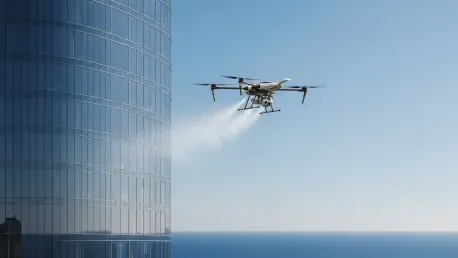
While the deployment of autonomous fire-suppression drones represented a significant leap in safety, the specific conditions of the Malaga incident revealed critical gaps in current aerial technology. High-velocity coastal winds characteristic of the region created turbulent micro-currents around the hotel’s curved exterior, making it difficult for heavy-payload drones to maintain the stable hover required for precision water delivery. Additionally, the electromagnetic interference generated by the building’s extensive smart-grid infrastructure disrupted the telemetry of the remote-operated vehicles, forcing pilots to revert to manual line-of-sight controls. This limitation restricted the drones’ ability to enter the upper reaches of the structure where human crews could not safely venture. The integration of high-pressure misting systems, often touted as the future of interior suppression, also struggled against the intense updrafts created by the atrium’s heat. Instead of settling on the combustible surfaces, the fine mist was carried upward by the thermal plume, leaving the fuel source untouched while simultaneously reducing visibility.
Addressing these multifaceted challenges required a paradigm shift in how urban planners and safety engineers approached the intersection of luxury design and fire resilience. The incident demonstrated that reliance on individual safety components, such as reinforced doors or localized sensors, was no longer sufficient when faced with the synergistic failures of high-tech materials and complex geometry. Safety researchers concluded that future developments had to prioritize the installation of independent, floor-by-floor air filtration and localized nitrogen-displacement systems that could operate even when the primary power grid was compromised. The Malaga event served as a case study for the necessity of “active architecture,” where buildings could dynamically reconfigure their internal ventilation pathways to isolate smoke and heat in real-time. By moving away from static fireproofing toward responsive systems, the industry sought to eliminate the blind spots that allowed this blaze to persist. These lessons paved the way for more robust safety protocols.