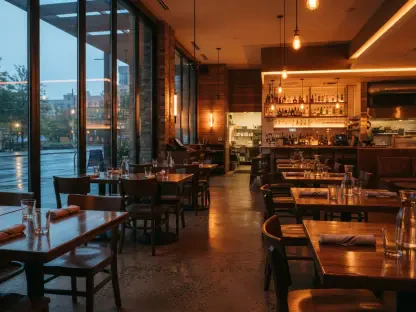

Imagine a city once beleaguered by economic downturns and a sluggish recovery from a global crisis, now pulsating with renewed energy thanks to a tech-fueled boom. San Francisco, long a hub of innovation, is witnessing a remarkable resurgence in its hospitality sector, and at the heart of this

Imagine a hotel revenue manager staring at a screen filled with fluctuating numbers, grappling with the pressure of setting the perfect room rate while demand swings unpredictably and competitors lurk just a click away. It’s a high-stakes game, and the margin for error is razor-thin. Enter

Imagine a small, family-run inn tucked away in a quiet mountain town, struggling to fill rooms while a nearby corporate hotel chain thrives with packed bookings. This disparity, long a reality in the hospitality industry, is being challenged by an unexpected ally: artificial intelligence (AI). With

Compressed booking windows turned once-predictable demand curves into jagged lines, and the teams keeping hotels on track needed a faster, clearer way to read the room—literally and figuratively—before prices, promotions, and staffing drifted out of sync with reality. In this climate, business

When every traveler’s first question now begins with an AI assistant, who truly owns the guest relationship in a market where mobile, biometrics, and instant translation are already table stakes? Across hotels, casinos, cruise lines, and food and beverage, the baseline has shifted from touchless

In an era where technology shapes every aspect of travel planning, hotels face a daunting challenge: staying visible in a digital landscape increasingly dominated by artificial intelligence (AI) search platforms. As travelers turn to tools like ChatGPT, Claude, and Gemini for trip recommendations,