

A $50 meal represents a purchase of hospitality and service, meaning that removing the human element effectively lowers the economic value of the product. In the current landscape of 2026, the restaurant industry is grappling with a profound tension between the drive for digital efficiency and the

Customer email response times have tripled in speed at major travel platforms that have fully integrated artificial intelligence into their corporate communication workflows. This evolution signifies a departure from the static search-and-filter models that defined the early digital era. Today, the

The case study of THE THIEF in Oslo demonstrates that targeting 'secret sale' offers exclusively to low-intent visitors can result in a 25 percent uplift in conversion rates for that specific segment. This pivotal shift in hospitality technology highlights a transition from static digital
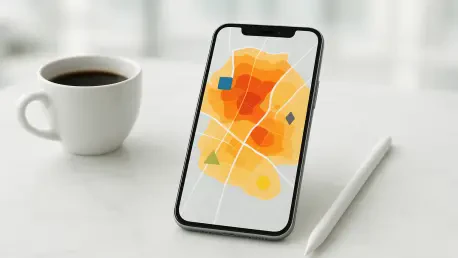
As city breaks become more expensive, the ability to analyze massive datasets on pricing trends has become a vital skill for the budget-conscious traveler. The traditional model that once relied on simple low-cost carrier tickets and predictable local expenditure has fractured under the weight of

As travelers embrace artificial intelligence to redefine their journeys, the disconnect between consumer behavior and industry readiness continues to widen across the global travel sector. The modern explorer has rapidly transitioned from traditional search engines to sophisticated conversational

A primary objective of refining the proprietary digital interface is to reduce historical reliance on third-party intermediaries and online travel agencies. This strategic shift represents a broader effort by the Lopesan Hotel Group to overhaul its global commercial infrastructure and unify a