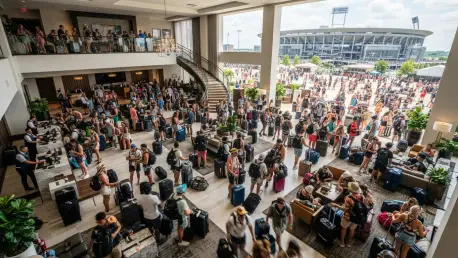

The announcement of a stadium world tour by a global cultural icon creates a seismic shift in local economies that ripples through the hospitality sector long before the first note is played on stage. Major tours act as powerful engines of urban tourism, transforming quiet periods into high-revenue peaks. This relationship between high-profile entertainment and hotel performance dictates modern market dynamics. High-level analysis shows how “tour tourism” allows hoteliers to turn a single night of music into a significant annual boost.
The Evolution of the Event-Driven Economy
Historically, hotel demand was tied to seasons or sports, but a shift toward individual cultural icons redefined the landscape. Event-based travel is now a primary driver of revenue per available room. As live performances replaced record sales as a main income stream, tours grew into regional pilgrimages, creating a predictable yet volatile demand cycle for the lodging industry. Understanding this background explains why modern travelers plan vacations around two-hour performances, creating a new economic reality for hospitality.
Strategic Revenue Management: Navigating the Era of Star Power
Anticipatory Booking Behavior: Detecting Early Demand
Markets react instantly to tour news. Industry data shows that the moment a date is announced, booking engines experience a surge before tickets are even sold. In cities like Sydney and Melbourne, booking volumes for specific dates skyrocketed to levels 150 times higher than a standard day. This proactive behavior proves fans view accommodation as a scarcer resource than the tickets themselves.
Quantifying the Financial Upside: Measuring Tour Tourism
Financial impact is measurable through spikes in occupancy and average daily rates. During major tours, booking rates jumped by 30%, with room rates seeing a premium of 25%. In Sydney, nightly rates jumped by $127, while Melbourne saw a $36 increase. Guests booked five weeks earlier, though the average length of stay decreased by 10%, requiring hotels to optimize for high-turnover guests.
Regional Disparities: The Role of Digital Agility
Impact is not uniform across all geographies, and larger cities often see more dramatic price escalations. Success requires digital agility and sophisticated software to catch the announcement day frenzy. Modern managers must integrate real-time cultural trends with booking data to capitalize on these outliers rather than relying on historical patterns that no longer apply to superstar events.
The Future Landscape: Innovations in Event-Based Hospitality
Predictive analytics will become the standard for managing demand. From 2026 to 2028, the use of artificial intelligence to monitor social rumors will allow hotels to adjust pricing before official drops. Residency-style performances may become more common, moving the hospitality impact from short-term spikes to sustained occupancy growth. This shift will require a total integration of big data into the lodging sector.
Strategic Guidance: Key Takeaways for Hospitality Professionals
Professionals should implement dynamic pricing models that react instantly to market signals. Offering concert packages or flexible check-out times can enhance value and justify premium rates. Shifting from a reactive to a proactive stance ensures that businesses are active beneficiaries of the massive spending power following global icons.
Final Analysis: Harnessing the Power of Live Entertainment
The surge in hotel revenue driven by major tours represented a testament to the enduring power of live experiences. These events created unique opportunities for the hospitality sector to outperform benchmarks. Digital agility emerged as the deciding factor in capturing growth. These patterns suggested that success required a permanent alignment with the rhythm of the global stage. Professionals identified that future profitability relied on the seamless integration of predictive software and localized fan engagement.