
Walking through the vast concourses of Hartsfield-Jackson Atlanta International Airport today feels less like navigating a sterile transit hub and more like entering a sophisticated, highly choreographed ecosystem designed to anticipate a traveler’s every move. As the aviation industry undergoes a radical shift toward human-centered design, the world’s busiest airport is no longer content with merely moving bodies from point A to point B. Instead, the facility has transitioned into a pioneer of the “seamless journey,” where the traditional stresses of security lines, boarding gate confusion, and terminal navigation are mitigated through a clever blend of intuitive technology and genuine human interaction. This evolution reflects a broader trend in global travel where the physical environment is curated to provide comfort, inclusivity, and operational resilience. By prioritizing the passenger as an individual rather than a logistical data point, the airport is setting a new global benchmark for excellence in terminal management and hospitality.
Evolving the Terminal into a Global Destination
Fostering an Engaging and Inclusive Environment
The traditional perception of an airport as a utilitarian space—one that travelers simply endure while waiting for a flight—is being systematically dismantled at Hartsfield-Jackson. The management team has worked tirelessly to reimagine the terminal as a “destination within the destination,” creating an atmosphere that encourages passengers to shift into a relaxed mindset as soon as they clear the curb. This transformation involves more than just aesthetic upgrades; it is about creating a sense of place that reflects the vibrancy of the surrounding city. High-end retail, local culinary offerings, and rotating art installations are strategically placed to engage the senses, ensuring that time spent in the terminal feels productive or restorative rather than wasted. By focusing on the emotional state of the traveler, the airport fosters an environment where “vacation mode” begins at the gate, significantly reducing the anxiety often associated with international travel.
Inclusivity serves as the cornerstone of this atmospheric redesign, ensuring that every demographic feels a sense of belonging within the sprawling complex. The airport has moved beyond basic compliance with accessibility laws, instead embracing universal design principles that cater to travelers of all physical abilities, neurodiversities, and cultural backgrounds. Quiet zones for those with sensory sensitivities, clear multilingual signage, and family-friendly lounges are integrated into the terminal layout to accommodate the diverse needs of a global audience. This proactive stance on inclusivity ensures that the airport remains welcoming to first-time flyers and seasoned travelers alike, removing the psychological barriers that can make large-scale transportation hubs feel intimidating. The goal is to provide a consistent, high-quality experience that treats every passenger with dignity, ensuring that the physical environment supports rather than hinders their journey.
Utilizing Customer Insights for Continuous Improvement
To refine the traveler experience, the airport relies heavily on a sophisticated “Voice of the Customer” program, which transforms raw data into actionable operational strategies. By aggregating feedback from thousands of digital surveys, social media interactions, and real-time terminal sensors, the management team can pinpoint exactly where friction occurs in the passenger journey. Whether it is a bottleneck at a specific security checkpoint or a need for more seating in a particular concourse, these insights allow for a responsive approach to facility management. This data-driven philosophy ensures that renovations and service updates are not based on guesswork but on the actual requirements and preferences of the people using the airport. Such a commitment to listening ensures that the facility remains agile, constantly evolving to meet the shifting expectations of the modern traveler.
This focus on feedback extends to a diverse array of stakeholders, including airlines, concessionaires, and ground transportation providers, to ensure a holistic view of the airport ecosystem. By fostering open communication between these groups, the airport can identify systemic issues that might be missed if looking at departments in isolation. For example, if data suggests that international passengers are struggling with a specific transfer process, the airport can work directly with customs and airline partners to streamline that specific touchpoint. This collaborative spirit turns individual complaints into opportunities for system-wide improvement, reinforcing the idea that the airport is a living entity that grows more efficient with every passenger interaction. By aligning operational goals with the lived experiences of travelers, the airport maintains its competitive edge as a premier global hub.
Harmonizing Advanced Technology with Personal Service
Accelerating Autonomy through Digital Innovation
Digital transformation has fundamentally changed how passengers interact with the airport infrastructure, providing a level of autonomy that was previously unimaginable. The expansion of the mobile footprint allows travelers to manage nearly every aspect of their journey from the palm of their hand, from contactless check-ins and digital boarding passes to real-time gate updates. This shift toward self-service is not merely about reducing labor costs; it is about empowering the passenger to control their own schedule and personal space. By minimizing the need for standing in long queues, the airport effectively clears the way for a more relaxed terminal experience. These digital tools serve as a silent concierge, providing the right information at the exact moment it is needed, which significantly reduces the cognitive load on travelers navigating complex itineraries.
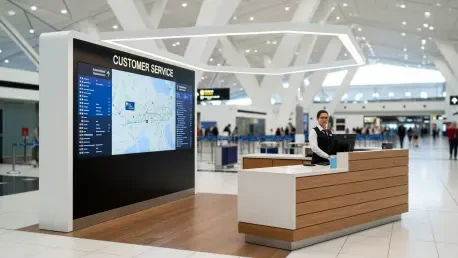
Beyond the smartphone, the airport has introduced AI-powered solutions that provide interactive assistance and promote environmental stewardship. Systems like “Oscar,” the intelligent recycling assistant, help passengers sort their waste correctly, while the “Atlas” digital hubs provide interactive wayfinding and real-time facility information in multiple languages. These technologies do more than solve logistical problems; they engage the passenger in the airport’s mission of sustainability and efficiency. By integrating artificial intelligence into the terminal’s physical fabric, the airport demonstrates how high-tech solutions can feel intuitive rather than intrusive. These innovations ensure that the facility remains at the cutting edge of the industry, offering a futuristic travel experience that is both efficient and ecologically responsible, catering to the values of the modern, tech-savvy traveler.
Preserving the Vital Impact of Human Interaction
While technology provides the framework for efficiency, the airport recognizes that human empathy remains an irreplaceable component of the passenger journey. Automation is excellent for routine tasks, but when travel plans go awry due to weather or technical delays, a screen cannot replace the reassurance provided by a trained professional. The airport’s commitment to “Southern charm” ensures that staff members are readily available to provide compassion and personalized problem-solving during moments of high stress. This human-centric approach ensures that even as the terminal becomes more high-tech, it does not become cold or impersonal. By maintaining a strong presence of customer service ambassadors, the airport provides a safety net for those who may not be comfortable with digital tools or who simply require a human connection to feel at ease.
The synergy between staff and technology is what truly differentiates the experience at this global hub, as employees are empowered with the same real-time data that passengers use. This allows staff members to proactively identify travelers who might be struggling and offer assistance before a minor issue turns into a major delay. Training programs focus on emotional intelligence and cultural competency, ensuring that the team can handle the nuances of a diverse, international clientele. When a passenger encounters a smiling face that can provide both a technical solution and a comforting word, the overall perception of the airport improves dramatically. This balance between high-tech efficiency and high-touch service ensures that the airport remains a leader in hospitality, proving that the future of travel is not just about machines, but about the people who operate them and the passengers they serve.
Scaling Operations for Global Excellence and Resilience
Learning from High-Pressure International Events
The experience of hosting major global events, such as the FIFA World Cup, has served as a rigorous stress test for the airport’s infrastructure and personnel. Managing the sudden influx of hundreds of thousands of international visitors requires a level of operational precision that goes far beyond daily routines. These periods of peak demand force the airport to refine its resource management, from optimizing runway throughput to ensuring that security checkpoints are staffed at maximum efficiency. The lessons learned during these high-pressure scenarios are not forgotten once the crowds disperse; instead, they are integrated into standard operating procedures to improve daily performance. This constant cycle of testing and refinement ensures that the airport is always prepared for the unexpected, maintaining a high level of service even during the busiest travel seasons.
The influx of international travelers also provides a unique opportunity to study the cultural nuances of service expectations on a global scale. By observing how different demographics interact with the terminal’s systems, the airport can make adjustments that improve the experience for everyone. For instance, the demand for specific types of amenities or information formats during a global sporting event can lead to permanent upgrades in the terminal’s service offerings. This global perspective helps the airport maintain its status as a world-class gateway, as it is constantly adapting to the needs of a mobile, international population. The resilience developed through these large-scale challenges ensures that the airport can handle any surge in passenger volume without compromising the quality of the journey, reinforcing its reputation for reliability and excellence.
Integrating Accessibility and Transparent Communication
Operational resilience is inextricably linked to how clearly the airport communicates with its passengers, especially during times of disruption. The airport has adopted a multi-front communication strategy that utilizes digital signage, mobile app notifications, and in-person staff to provide consistent and transparent information. During weather-related delays or technical glitches, a cross-functional team ensures that the narrative remains accurate and up-to-date, preventing the frustration that arises from a lack of information. By being proactive and honest about challenges, the airport maintains the trust of its passengers, which is vital for keeping a calm and orderly environment. This commitment to clear communication is a key part of the airport’s resilience strategy, ensuring that travelers feel supported even when things do not go according to plan.
Inclusivity and accessibility are treated as core cultural values that strengthen this resilience, as a terminal that works well for people with disabilities generally works better for everyone. By participating in international accessibility accreditation programs, the airport holds itself to the highest global standards, ensuring that its facilities are intuitive for all. Features such as simplified wayfinding, level boarding, and accessible restrooms reduce friction for the elderly, families with strollers, and travelers with luggage, not just those with permanent disabilities. This universal approach to design ensures that the “exceptional experience” promised by the airport is truly available to every person who walks through its doors. By embedding these values into the very foundation of its operations, the airport creates a more robust and flexible system that can adapt to the diverse needs of the global traveling public.
Forging the Future of Seamless Connectivity
Optimizing the Journey Through Data and Biometrics
The final piece of the reimagined passenger journey involves the seamless integration of biometric technology and advanced data analytics to create a “hands-free” travel experience. Biometric systems, including facial recognition at security and boarding gates, have dramatically reduced the time passengers spend waiting in lines, allowing for a more fluid movement through the terminal. This technology does more than speed up the process; it increases security accuracy while decreasing the physical touchpoints required, which is a significant preference for the modern traveler. Simultaneously, AI-driven analytics allow management to identify hidden pain points in real-time, such as a localized crowd forming in a concourse or a delay in baggage delivery. This allows the airport to move from a reactive management style to a proactive one, solving problems before the passenger even becomes aware of them.
The success of these technological advancements is ultimately rooted in the satisfaction and empowerment of the airport’s workforce, as they are the ones who bring the brand to life. Leadership at Hartsfield-Jackson recognizes that the employee experience is a direct reflection of the customer experience; therefore, investing in staff well-being is a strategic priority. By providing employees with the best tools and a supportive work environment, the airport ensures that they are motivated to provide the high level of service that passengers expect. This symbiotic relationship between data-driven efficiency and a motivated workforce creates a virtuous cycle of improvement that benefits everyone in the airport ecosystem. As the facility continues to innovate, the focus remains on creating a journey that is not only fast and efficient but also deeply human and inherently enjoyable, ensuring its place as a leader in the global aviation industry.
Implementing Lasting Strategies for Aviation Leadership
The transition toward a more human-centric airport model at Hartsfield-Jackson Atlanta International Airport provided a roadmap for the global aviation industry. The strategies implemented proved that a focus on inclusivity and emotional intelligence could exist alongside high-tech automation and operational efficiency. By treating the airport as a destination and the passenger as a guest, the facility moved beyond the limitations of traditional logistics. This shift required a fundamental change in organizational culture, where data was used not just to track movement but to understand human needs. The successful integration of these diverse elements allowed the airport to maintain its status as the world’s busiest hub while simultaneously improving its reputation for quality and service.
Looking forward, the lessons learned from this transformation suggested that the future of travel would depend on the ability to remain flexible in the face of changing global demands. The airport’s commitment to accessibility and resilience created a foundation that could withstand both technological shifts and fluctuations in international travel patterns. As other hubs sought to replicate this success, the emphasis on the “Voice of the Customer” and employee satisfaction became the industry standard for excellence. The journey through the airport was no longer a hurdle to be cleared but a seamless, integrated part of the travel experience itself. By prioritizing the human element in every decision, the airport ensured that it remained not just a transit point, but a vital and welcoming gateway to the world.