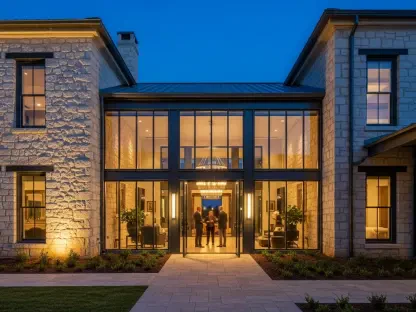

The skeletal frame of the Tempo by Hilton now stands as a definitive marker of change, signaling the end of the traditional mall era and the birth of a sophisticated urban core in Tucson. This structural topping-out milestone represents more than just completed masonry; it serves as a pulse check for the city’s economic transition. By replacing the aging Foothills Mall with a 144-room lifestyle anchor, developers are betting on a future where high-density living and premium hospitality converge to create a self-sustaining district.
Transforming the Foothills: The Emergence of Tucson’s Urban Center
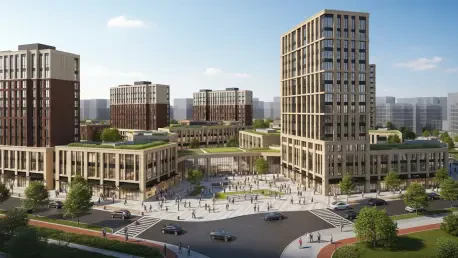
The shift from the sprawling, retail-heavy footprint of the former Foothills Mall to the modern Uptown district reflects a broader national trend toward densification. This transformation is not merely aesthetic but strategic, turning underutilized asphalt into a vibrant focal point for the community. The completion of the hotel’s vertical structure provides a tangible preview of a neighborhood designed for human interaction rather than just car-centric commerce.
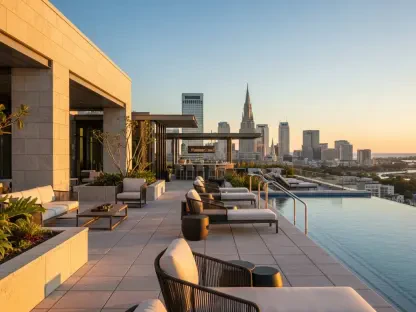
As the cornerstone of this ambitious redevelopment, the five-story property acts as a catalyst for surrounding investments. Its presence ensures that the district functions as a true multi-functional hub where visitors and residents coexist. This evolution highlights a growing regional demand for environments that offer more than simple convenience, prioritizing a sense of place and modern urbanity.
A Blueprint for Modern Hospitality: Integration, Collaboration, and Innovation
Reimagining the Mall: The Shift Toward Multi-Functional Urban Hubs
Moving away from isolated shopping centers requires a fundamental change in how space is allocated. The Uptown district integrates residential units, office spaces, and entertainment venues into a singular, walkable ecosystem. The Tempo by Hilton facilitates this “live-work-play” dynamic by providing a central landing point for professionals and travelers who seek proximity to diverse amenities without the need for a commute.
However, converting large-scale suburban commercial sites into cohesive urban districts presents unique logistical hurdles. Navigating the infrastructure requirements of a high-density project requires a departure from traditional zoning mindsets. Success in this arena depends on the ability to blend private hotel functions with public-facing social spaces that serve the wider neighborhood.
A Strategic Partnership: Executing the Vision Through Expert Collaboration
The progress seen today is the result of a coordinated effort between Bourn Companies, Valencia Hotel Group, and EBCO General Contractors. These teams navigated an extended pre-construction timeline, maintaining momentum through shifting market conditions. Their collaborative approach ensured that the project remained viable even as the hospitality industry faced significant global fluctuations.
Distinguishing this project from standard mid-scale offerings, the architectural work by Mayse & Associates and Studio 11 Design focuses on localized aesthetics and functional elegance. By prioritizing high-end design early in the process, the partners mitigated the risks of creating a generic space. This synergy between developers and designers allows the hotel to stand out as a bespoke landmark within a competitive regional market.
Redefining Guest Wellness: How Lifestyle Brands Are Changing the Stay
Modern travelers increasingly reject the “one-size-fits-all” hotel model, favoring brands that prioritize personal health and flexibility. The inclusion of wellness-oriented guestrooms featuring private exercise equipment challenges the standard expectation of a cramped hotel gym. This disruption signals a move toward a more integrated guest experience where health routines are not interrupted by travel.
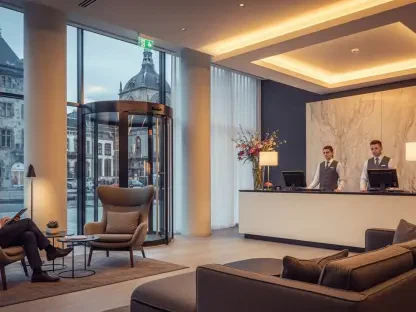
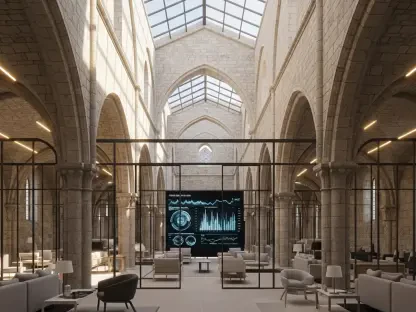
Social connectivity also takes center stage at the Moonsong Bar + Café, a space designed to blur the lines between a traditional lobby and a communal workspace. By catering to the specific needs of remote workers and digital nomads, the property addresses the realities of a post-pandemic economy. These shared environments foster a professional yet relaxed atmosphere that appeals to a diverse demographic of high-value visitors.
Economic Momentum: Strengthening Tucson’s Competitive Edge in Tourism
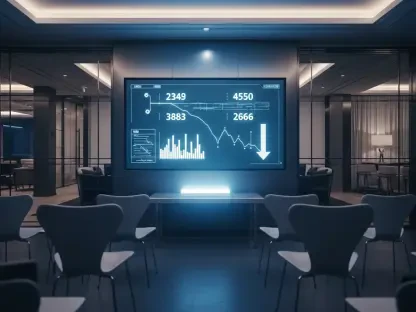
The introduction of 3,000 square feet of meeting and event space positions the hotel as a prime destination for corporate gatherings and regional conferences. This capacity for high-level events draws influential visitors to the Uptown district, boosting local spending and supporting surrounding businesses. Consequently, the project strengthens Tucson’s reputation as a modern destination capable of hosting sophisticated professional functions.
Furthermore, the 2027 opening aligns perfectly with the city’s projected infrastructure modernization. As Tucson continues to refine its tourism identity, lifestyle-focused brands like Tempo by Hilton provide the necessary high-end niche appeal. This strategic timing ensures the hotel will be operational just as the district’s full mixed-use potential begins to materialize.
Leveraging High-Density Development for Long-Term Regional Success
The synergy between specialized guest experiences and mixed-use density offers a clear roadmap for future southwestern developments. For local stakeholders, the primary takeaway is the importance of creating integrated spaces that offer consistent value to both temporary guests and permanent residents. Success in the Uptown district was found by moving beyond traditional retail silos toward a holistic community model.
Investors should focus on projects that incorporate community-focused amenities, such as public plazas and accessible dining, to ensure long-term viability. Actionable strategies involve prioritizing high-quality design and flexible social spaces that can adapt to changing consumer behaviors. By fostering these connections, the district ensures it remains a relevant destination for years to come.
Setting a New Standard for Uptown Tucson’s Professional and Social Landscape
The Tempo by Hilton project functioned as a vital catalyst for an interconnected and vibrant city core. By moving away from traditional retail footprints, the development proved that sophisticated hospitality can anchor a successful urban transformation. This shift created a more resilient economic environment that balanced the needs of modern travelers with the desires of the local population.
The project demonstrated that suburban-to-urban conversions are most effective when they prioritize human-centric design and multi-use functionality. Future initiatives across the Southwest can now look to this model as a guide for breathing new life into underutilized commercial land. The evolution of the Uptown district provided a clear vision of how thoughtful architecture and strategic partnerships can redefine a city’s social and professional identity.