
The elimination of seasonal flat rates has forced a shift toward continuous, responsive pricing strategies that account for hyperlocal demand fluctuations between peak weekends and mid-week lulls. In the Hudson Valley and Catskills, the landscape of short-term rentals has evolved from a casual supplementary income stream into a sophisticated sector of the hospitality industry. Property owners have increasingly abandoned the amateur host persona, adopting the more rigorous role of asset managers who view each home as a dynamic, living asset. This shift is driven by a necessity to provide specialized, high-end experiences that justify premium rates in an increasingly crowded market. Success currently hinges on a delicate balance between technical operational excellence and a deeply personal touch that makes guests feel like they are part of something unique. As the market matures, the standard for what constitutes a good rental has risen, forcing a professionalization that is no longer an advantage but a baseline requirement for entry. This environment demands that owners stay ahead of both technological trends and evolving guest preferences, ensuring their properties remain competitive by offering more than just a place to sleep. The result is a more resilient and professional ecosystem that prioritizes quality, reliability, and emotional resonance.
Strategic Operational Health: Algorithmic Visibility
Maintaining a high search ranking on major platforms has become an exercise in active digital health management rather than a simple listing exercise. In 2026, the algorithm functions as a real-time auditor of a property’s operational performance, rewarding those who demonstrate consistent engagement and responsiveness. This requires hosts to frequently update their calendars, refine their amenity lists, and respond to inquiries with nearly instantaneous speed to maintain visibility. A listing that remains static for more than a few days quickly loses traction, as the system favors active managers who provide the most current and accurate information. Professionalism in this context means treating the digital storefront as a living document that requires daily or weekly attention to ensure it meets the evolving criteria of the search engine. Furthermore, the accuracy of every detail, from the specific wattage of kitchen appliances to the exact speed of the internet connection, has become a critical metric. By obsessing over these technical details, professional hosts ensure that their properties stay at the top of search results, effectively turning technical compliance into a powerful marketing tool that drives occupancy and revenue in a competitive digital marketplace.
The adoption of dynamic pricing models represents one of the most significant shifts in the management of rental assets, moving the industry away from static seasonal tables toward data-driven financial agility. Successful property owners now utilize sophisticated software that analyzes local events, travel patterns, and competitor occupancy to adjust rates in real-time. This approach ensures that revenue is maximized during high-demand periods, such as local festivals or peak foliage weekends, while remaining attractive during the traditional mid-week lulls that often drain profitability. Professionals look at their pricing through the lens of financial management, treating every available night as a perishable commodity that must be priced with precision. This level of sophistication allows for a more granular understanding of market demand, enabling owners to capture value that was previously lost to broad, inflexible pricing categories. Moreover, this data-driven strategy provides a clearer picture of the property’s overall health, allowing for more accurate forecasting and long-term investment planning. By embracing these responsive strategies, property managers in 2026 have moved beyond guesswork, using hard data to anchor their financial decisions and ensure that their assets remain profitable year-round regardless of broader economic fluctuations.
Narrative Excellence: Wellness and Curated Amenities
Narrative-driven design has become the primary differentiator for high-performing properties, as travelers increasingly seek out stays that offer a cohesive story rather than just a collection of rooms. This approach involves branding a home with a specific purpose, such as a mountaintop writing retreat or a modernist culinary sanctuary, which guides every aesthetic and functional decision. Experts like Dino and Maxwell Alexander of Alluvion Vacations have demonstrated that when a property has a clear narrative, it attracts a more specific and loyal demographic. Professional lifestyle photography plays a crucial role in this branding effort, focusing on the experience of living in the space—such as the light hitting a breakfast nook or the steam rising from an outdoor bath—rather than just the dimensions of the bedrooms. This type of visual storytelling allows potential guests to envision themselves within the narrative, creating an emotional connection that starts long before they book. By curating a specific vibe through intentional decor and architectural choices, hosts can command higher rates and foster a sense of exclusivity. This transition from generic lodging to specialized hospitality has fundamentally changed how properties are marketed, making the unique story of a home its most valuable asset in a market that prizes authenticity and design-forward living.
The evolution of amenities from a simple checklist to a focused wellness experience has set a new standard for hospitality in the Catskills and Hudson Valley regions. Modern guests are looking for more than basic comforts; they are seeking opportunities for rejuvenation and self-care during their travels. This has led to the integration of wellness hospitality features such as cedar saunas, cold plunge tubs, and high-end linens that rival those found in luxury boutique hotels. These intentional additions are not just luxury perks but are essential components of a strategy designed to secure five-star reviews and repeat bookings. When a guest can experience a structured wellness routine within the privacy of a rental home, the perceived value of the stay increases significantly. Professional hosts are also paying closer attention to the sensory details of the environment, such as soundproofing, lighting design for circadian rhythms, and the inclusion of organic, locally sourced toiletries. By prioritizing these elements, owners create a sanctuary that addresses the physical and mental well-being of their guests, moving the needle from a simple overnight stay to a transformative health experience. This focus on intentional living ensures that the property resonates with the modern traveler’s desire to disconnect from the digital world and recharge in a thoughtfully curated space.
Local Symbiosis: Infrastructure for Modern Living
Deeply grounding a property within its local community through the People’s Hospitality model has emerged as a powerful way to build brand equity and offer a truly authentic experience. This strategy involves turning the rental into a showcase for regional culture by featuring the work of local ceramicists, painters, and food producers within the home. Instead of the sterile, mass-produced decor found in corporate-managed rentals, these properties offer a tactile connection to the area, giving guests a sense of place that is impossible to replicate elsewhere. This symbiotic relationship supports the local economy while simultaneously enhancing the guest’s experience with unique, artisanal touches that tell a story of regional craftsmanship. Professional hosts who adopt this model often collaborate with local businesses to provide exclusive guides, curated pantry items, or even in-home workshops led by local experts. This approach transforms the host from a mere landlord into a community ambassador who facilitates meaningful interactions between travelers and the destination. By fostering these connections, owners create a resilient business model that is viewed as a positive contribution to the neighborhood rather than a disruptive presence. This community-centric professionalism ensures that the rental is seen as a valuable part of the local fabric, which is essential for long-term sustainability and social license in popular vacation regions.
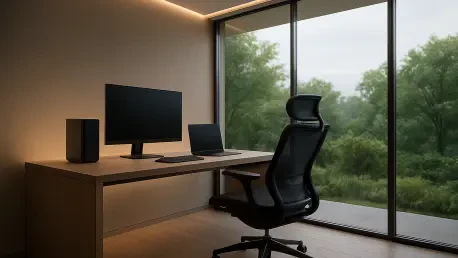
The establishment of a professionalized infrastructure became the ultimate requirement for properties seeking to capture the burgeoning market of long-term remote workers and digital nomads. Owners who recognized early on that a rental must function as both a home and an office successfully secured a reliable and lucrative guest base. They prioritized the installation of ultra-high-speed fiber internet, ergonomic workstations with high-quality seating, and fully equipped kitchens that allowed for real daily living rather than just weekend snacking. These physical upgrades transformed temporary stays into extended residencies, providing a stable foundation for revenue that resisted the volatility of traditional vacation cycles. By addressing the practical needs of the modern workforce, hosts shifted their focus toward comfort infrastructure that supported the integration of life and work. The decision to invest in these high-grade functional elements proved to be a strategic move that separated market leaders from those who failed to adapt to changing labor patterns. Moving forward, the most effective path for any property owner involved a commitment to these rigorous standards of utility and comfort. To remain relevant, managers focused on continuous improvement of these essential services, ensuring that their properties remained indispensable to a globally mobile workforce. This shift underscored the reality that professional hospitality required a dual focus on both the emotional experience of the guest and the practical requirements of their daily lives.