
The economic vitality of any major metropolitan area hinges on the seamless movement of its people, and the Liverpool City Region is now embarking on a transformative journey to redefine its transit landscape through a massive capital injection. This investment represents a shift toward a more centralized and efficient transport network designed to support the growing demands of a modern workforce while addressing long-standing issues of accessibility and regional inequality. By streamlining the governance of public services, local authorities aim to create a cohesive experience that rivals international standards of urban mobility. The strategy prioritizes the integration of disparate systems into a single, recognizable brand that emphasizes reliability and affordability for commuters. As the region anticipates significant population growth, these infrastructure improvements are viewed as essential for maintaining competitive advantages in the global market. Furthermore, the overhaul seeks to bridge the gap between suburban residential areas and central business districts effectively.
Modernizing the Regional Infrastructure
Strategic Integration of Public Transit
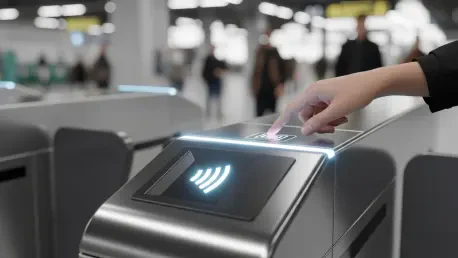
Central to this overhaul is the transition toward a franchised bus model, which marks a significant departure from the deregulated system that has dominated the region for decades. This shift allows the local government to regain control over routes, frequencies, and fare structures, ensuring that public transport serves the needs of the community rather than just profitable corridors. By implementing a unified ticketing system that works across buses, trains, and ferries, the region is eliminating the friction that often discourages people from using public transit. This tap-and-go technology simplifies the user experience, mirroring the efficiency seen in major global hubs like London or Singapore. Moreover, the procurement of a modern fleet of zero-emission vehicles aligns with broader environmental targets, reducing the carbon footprint of the entire network. These upgrades represent a fundamental restructuring of how mobility is managed, placing the passenger at the center of every operational decision.
Expansion of the rail network serves as another pillar of this project, with the construction of new stations designed to unlock the economic potential of previously underserved districts. The revitalization of the Merseyrail system includes the introduction of advanced signaling technology and increased capacity to accommodate the rising volume of daily travelers. Specifically, the development of the Liverpool Baltic station is expected to catalyze growth in the creative and digital sectors by providing rail links to a burgeoning business hub. Engineers are also focusing on future-proofing the tracks and rolling stock to ensure resilience against extreme weather conditions and long-term wear. This investment in heavy rail infrastructure is complemented by improvements to station facilities, including better lighting and enhanced security. By densifying the transport nodes around key development zones, the region is encouraging transit-oriented development that minimizes reliance on private cars and fosters a sustainable urban environment.
Sustainable Urban Connectivity
Beyond the traditional modes of rail and bus, the transport plan allocates significant resources toward active travel initiatives that encourage walking and cycling as viable alternatives for short-distance journeys. The creation of a comprehensive network of segregated cycle lanes is designed to provide safe and direct routes through the heart of the city and its surrounding boroughs. This focus on non-motorized transport is intended to alleviate congestion on the main arterial roads while promoting public health and reducing localized air pollution. Urban planners are utilizing data-driven modeling to identify the most effective locations for these routes, ensuring they connect seamlessly with existing public transport interchanges. High-quality secure bike storage and improved pedestrian crossings are being integrated into the design of new public squares. By prioritizing human-scaled infrastructure, the region aims to transform the streetscape into a more inviting and liveable space for its residents.
The successful delivery of these transport initiatives provided a clear blueprint for regional autonomy and demonstrated the power of localized decision-making in addressing complex urban challenges. Stakeholders prioritized the alignment of digital infrastructure with physical transit assets, creating a robust framework for real-time data sharing and adaptive traffic management. Moving forward, the focus shifted toward the continuous optimization of these systems through the adoption of artificial intelligence to predict passenger demand and refine service schedules. Public and private sectors collaborated to ensure that the economic benefits of improved connectivity were distributed equitably across all boroughs. This transition necessitated a long-term commitment to funding and maintenance to preserve the integrity of the new assets. Ultimately, the region established a standard for integrated mobility that other metropolitan areas looked to replicate when pursuing their own infrastructure modernization programs.