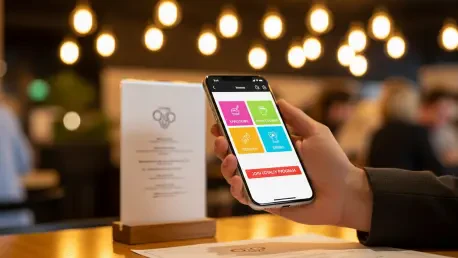

The ubiquity of the checkered matrix in modern restaurants marks a significant departure from its original role as a temporary solution for touchless dining during global health crises. While these digital squares were initially introduced to minimize physical contact, they have since evolved into sophisticated gateways that connect the physical dining room with a vast digital marketing ecosystem. However, a noticeable disconnect remains between consumer expectations and the current brand offerings, often referred to by industry experts as the scan gap. Many diners approach these codes expecting a streamlined, interactive journey that adds immediate value to their visit, yet they are frequently met with static PDF files that are difficult to navigate on mobile devices. Bridging this divide requires a fundamental shift in perspective, moving away from viewing the technology as a mere utility and toward treating it as a dynamic platform for engagement. By understanding that every scan represents a moment of high intent, restaurants can better align their digital strategies with the evolving needs of a public that values convenience and personalization.
Technical Optimization and Value-Driven Engagement
Achieving success with scan-based technology depends heavily on removing the technical friction that often frustrates users during their dining experience. One of the most critical advancements involves the transition from static to dynamic QR codes, which allows restaurant operators to update destination URLs and digital content in real time without the need to replace physical signage. This flexibility ensures that guests always access the most current information, whether it is a daily special or an updated seating chart, reducing the likelihood of broken links or outdated menu items. Furthermore, a mobile-first design approach is essential; landing pages must be optimized for speed and readability to accommodate various screen sizes and operating systems. If a page takes more than a few seconds to load or requires excessive zooming, the guest is likely to abandon the process altogether. By prioritizing high visibility and fast response times, brands can create a seamless transition from the physical table to the digital interface, fostering a positive impression that encourages further interaction with the brand.
To transform a casual scan into a meaningful connection, restaurants must master the art of the value exchange by offering tangible rewards that justify the guest’s effort. This involves providing exclusive incentives such as instant discounts, loyalty points, or priority ordering capabilities only accessible through the digital interface. The timing and placement of these interactions are equally vital to their success, as guests are most receptive when they are actively waiting for service or enjoying their meal. Placing codes on high-visibility areas like table tents or even food packaging allows brands to capture attention at peak moments of engagement. For instance, a code on a carry-out box can lead a customer to download an app for a future discount, effectively bridging the gap between a single transaction and a long-term relationship. When the reward is clearly communicated and easy to redeem, guests are far more likely to share their contact information, providing the restaurant with valuable data that can be used to drive repeat visits and build brand advocacy through targeted digital communications.
Enhancing the Journey Through Personalization and Trust
Modern applications of this technology allow for a sophisticated level of personalization that directly addresses the specific needs of each individual guest. Rather than presenting a one-size-fits-all menu, restaurants can now offer interactive digital experiences that allow diners to filter items based on dietary restrictions, allergies, or nutritional goals. This level of customization is further enhanced by automatic language translation features that detect a phone’s system settings to present the menu in the guest’s preferred tongue, creating a more inclusive environment. Beyond basic functionality, some innovative establishments are using digital access points to offer secret menus or limited-time deals, which fosters a sense of exclusivity among regular customers. By tailoring the content to the context of the visit, such as offering a different interface for lunch versus dinner, restaurants can ensure that the information provided is always relevant. This transition from a static link to a personalized concierge service fundamentally changes the guest experience by making every interaction feel unique.
As data collection became a primary objective of digital integration, maintaining guest trust through transparency and security emerged as a paramount concern for successful operators. Consumers generally demonstrated a willingness to share personal details when they understood how that information would be used to improve their overall experience. To facilitate this trust, restaurants prioritized professional design and the use of branded domains, which signaled a secure environment and protected users from the risks associated with generic, unverified links. The most successful strategies involved clear communication regarding privacy policies and the immediate benefit of data sharing, such as personalized offers or streamlined checkout processes. Businesses found that a focus on security not only protected the guest but also strengthened the integrity of the brand. The removal of technical barriers and the addition of meaningful incentives allowed for a deeper understanding of consumer behavior. The path forward involved prioritizing data integrity as a key pillar of the guest experience to ensure long-term retention.