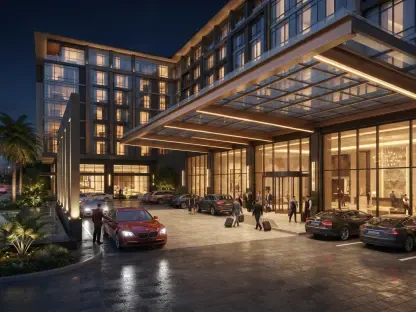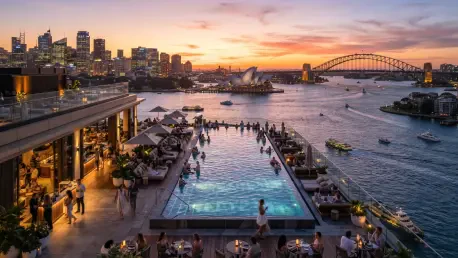

The national hotel pipeline is expected to deliver fewer than 7,800 new rooms through 2029, representing a sustained period of supply drought. This contraction in development activity has reshaped the hospitality landscape, forcing institutional investors and private owners to pivot from expansionist strategies to sophisticated value-optimization models. By mid-2026, the growth of new inventory has plummeted to a historic low of just 0.5%, a figure that underscores the severe imbalance between physical capacity and the resurging global demand for travel. This stagnation is not merely a temporary lull but the definitive result of a long-term decline in project starts that began nearly eight years ago. As the industry grapples with this scarcity, the focus has shifted toward established assets in major gateway cities like Sydney, Melbourne, and Brisbane. Investors are now prioritizing properties that offer immediate cash flow and protection against the escalating costs of new construction, marking a new era of rate-driven revenue and asset appreciation.
Economic Barriers: The Realities of Modern Construction
The primary driver behind this supply paralysis is a complex trifecta of economic hurdles, dominated by skyrocketing construction costs that have effectively reset the industry benchmark. Data from the Producer Price Index for Building Construction indicates that costs have surged roughly 41% above pre-pandemic levels as of the current financial quarter in 2026. This inflationary pressure is compounded by chronic labor shortages and vulnerabilities in global supply chains, making the traditional build-to-open model a high-risk endeavor for most developers. For instance, constructing a standard 3-star hotel in a primary market like Sydney now requires a capital outlay between $322,500 and $432,500 per room, even before accounting for furniture, fixtures, and equipment. In the luxury segment, particularly in cities like Brisbane or the Gold Coast, development costs for 5-star properties frequently exceed $1 million per key, creating a barrier to entry that few projects can clear.
This surge in development expenses has fostered a widening valuation gap, where it is now demonstrably more cost-effective to acquire an existing hotel than to embark on a new construction project. Recent market data shows that established assets are trading at significant discounts relative to their modern replacement costs, a dynamic that has fundamentally changed the investment thesis for the 2026-2028 cycle. Transactions such as the Hotel Indigo Melbourne on Flinders, which traded at approximately $350,000 per key, highlight this trend when compared to the much higher costs of new developments in the same precinct. Similarly, the Four Points by Sheraton in Sydney’s Central Park transacted at $650,000 per key, a price point that remains well below the budget required for a comparable new build. This landscape provides a unique safety margin for buyers, as the prohibitive cost of entry for new competitors acts as a natural shield for the market share and valuation of existing hospitality holdings.
Performance Indicators: Why Room Rates Outpace Occupancy
While the supply of physical rooms remains constrained, the ceiling for potential demand is being pushed higher by a vigorous recovery in international travel. Arrival statistics for the 2025/26 fiscal year indicate that approximately 9.1 million international visitors entered the country, representing an 8.3% increase over the previous twelve-month period. Perhaps more critical for hotel valuations is the shift in visitor behavior; the latest International Visitor Survey shows that total expenditure rose by a disproportionate 15%, despite the 9% rise in trips. This suggests that the current wave of travelers consists of higher-spending individuals who are opting for longer stays and premium accommodations. With occupancy rates already hovering around 81% in gateway markets like Sydney, there is very little capacity to grow revenue through increased volume, meaning that the market has transitioned into a necessary and highly profitable phase of rate-led growth across most major regions.
The move toward a rate-led environment is particularly beneficial for property owners because it optimizes operational efficiency and net operating income. National figures show that Revenue Per Available Room grew by 4.6% to reach $178, a trend underpinned by a strong Average Daily Rate of $248. In Sydney, RevPAR gains were even more pronounced at 7.6%, almost entirely supported by a 5.5% lift in room rates rather than increased foot traffic. This dynamic is efficient because unlike volume-based growth, which necessitates additional spending on housekeeping, utilities, and general maintenance, rate increases flow more directly to the bottom line without significantly raising overhead. For investors, this means that even with stagnant occupancy, the profitability of the asset continues to climb, leading to higher valuations when these earnings are capitalized. This trend is expected to persist through 2028 as the limited supply of new rooms ensures that pricing power remains firmly in the hands of operators.
Capital Markets: Resilience Amidst High Interest Rates
Despite the favorable operational landscape, the hospitality investment market in 2026 remains highly selective and concentrated within core gateway hubs. Total transaction volumes for the first half of the year reached approximately $932 million, a figure that reflects a stable but cautious environment where Sydney and Melbourne together account for 74% of all sales activity. The primary headwind for the sector is the elevated cost of capital, with the national cash rate currently sitting at 4.60%. This high-rate environment typically exerts downward pressure on property values, yet hotel capitalization rates have shown remarkable resilience by maintaining a stable average of approximately 6.6% over the last five years. This stability suggests that investors view hotels as a reliable hedge against inflation, prioritizing the long-term income potential and the “trophy” status of prime assets over the transient volatility of the debt markets or fluctuating yields in other commercial sectors.
The concentration of capital in major cities is also driven by a perceived scarcity of future opportunities, as the current development drought ensures that high-quality assets will remain in short supply. Institutional investors are increasingly looking for properties with value-add potential, where targeted renovations can further push the Average Daily Rate and capitalize on the premium demand from international tourists. Brisbane has emerged as a particularly interesting focal point due to its role in the upcoming 2032 Olympics; the current pipeline in the city is considered insufficient to meet long-term projections, creating a high-pressure environment for existing supply. As a result, properties in Brisbane and the Gold Coast are beginning to see increased attention from buyers who anticipate a significant appreciation in value as the games approach. This regional focus highlights how local supply-demand imbalances can override national economic trends, providing specialized opportunities for those with local expertise.
Strategic Imperatives: Capturing the Scarcity Premium
To maximize returns in this supply-constrained market, stakeholders should focus on asset management strategies that prioritize yield over sheer occupancy volume. The most successful operators in 2026 are those who have invested in technology to enhance guest experiences and streamline labor costs, allowing them to capture higher room rates without expanding their workforce. Furthermore, owners of older assets should consider strategic refurbishments now to ensure their properties remain competitive as the international traveler mix shifts toward high-net-worth individuals. By aligning property standards with the expectations of this lucrative demographic, owners can solidify their market position and ensure that their assets continue to command a premium. Acquiring assets below their replacement cost remains the most viable entry strategy for new capital, as the high barriers to new construction continue to protect the market share of existing participants while providing a clear path toward capital growth.
The industry recognized that the scarcity of new hotel rooms acted as the most significant catalyst for value preservation and growth throughout the mid-2020s. Investors who identified the widening gap between acquisition prices and soaring construction costs moved decisively to secure prime assets in Sydney and Melbourne, successfully insulating their portfolios from the volatility seen in other commercial real estate sectors. They focused on leveraging high room rates to drive net operating income, which in turn supported resilient property valuations despite the pressures of a high-interest-rate environment. Strategic renovations were completed to cater to the influx of high-spending international visitors, ensuring that existing hotels functioned as sophisticated income-generating machines. By prioritizing long-term capital stability and operational efficiency, market participants navigated the supply drought effectively and positioned themselves to benefit from the sustained demand that defined the Australian hospitality landscape through 2026.