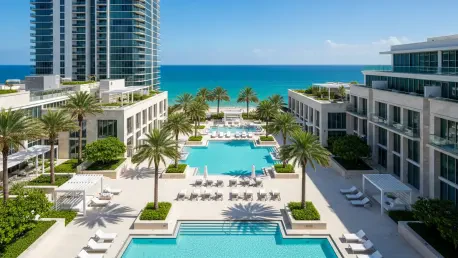

The transformation of a landmark property involves more than just a fresh coat of paint; it represents a calculated reshuffling of global power where iconic hospitality assets shed their existing identities to embrace an even more exclusive and lucrative future. In the high-stakes environment of coastal real estate, a hotel functions as a fluctuating asset rather than a static building. The recent announcement that the iconic W South Beach will transition to the Waldorf Astoria brand marks a seismic shift in the hospitality landscape. This trend highlights how institutional investors are aggressively repositioning prime properties to capture the evolving demands of the world’s most affluent travelers, essentially redefining what modern elegance looks like in a crowded market.
The Evolution of High-End Property Repositioning
Modern luxury hospitality is experiencing a significant surge in capital-intensive transformations as institutional investors seek to maximize the value of trophy assets. Data suggests a clear trend where firms like the Reuben Brothers execute high-value acquisitions to pivot toward ultra-luxury tiers. This movement is fueled by a global increase in demand for heritage-based prestige, with investors favoring established “flag” brands that offer higher average daily rates. By moving away from lifestyle-centric alternatives, these players secure long-term stability and cater to a demographic that prioritizes legacy over trendiness.
Market Drivers: The Rise of Institutional Luxury Investments
The luxury sector currently benefits from a “flight to quality,” where the traditional definition of high-end service is being replaced by institutional-grade refinement. Investors are increasingly looking at properties not just for their current revenue but for their untapped potential under more prestigious management. This shift is particularly evident in markets where the supply of oceanfront land is limited, making the renovation of existing structures more viable than new construction. Consequently, the focus has shifted from high-volume lifestyle guests to the ultra-high-net-worth segment that values privacy and bespoke service.
Case Study: The Waldorf Astoria Transition in Miami Beach
The migration of the W South Beach into the Waldorf Astoria Miami Beach serves as a definitive example of strategic brand evolution. Under the direction of Avenue Interior Design, the property is undergoing a meticulous overhaul that includes a complete redesign of 348 ocean-view suites and an expansive 48,000-square-foot pool deck. By replacing the lifestyle-focused W brand with Hilton’s premier Waldorf Astoria flag, the asset is being physically and conceptually rebuilt. The integration of world-class culinary programs and sophisticated wellness centers ensures the property aligns with the expectations of a service-oriented clientele.
Professional Perspectives: Brand Migration and Portfolio Strategy
Industry experts view these rebranding efforts as a calculated maneuver to secure market share in high-demand global destinations. Moving a property from the Marriott portfolio to the Hilton luxury pipeline signals a broader battle for dominance in the prestige sector. Although the transition necessitates short-term disruptions, including temporary closures and significant staff changes, the long-term appreciation of the asset often justifies the initial cost. The commitment to rehiring previous staff upon the 2027 reopening is a vital strategy to maintain service continuity while upgrading operational standards to meet more rigorous requirements.
Future Implications for the Luxury Hospitality Landscape
The future of this sector lies in the synthesis of heritage and modern, amenity-rich environments. As Hilton expands its prestige footprint with new locations in downtown Miami, Utah, and Texas, the industry anticipates a continued move toward exclusive, curated experiences. Generic luxury is increasingly replaced by bespoke offerings that go beyond standard room amenities. While these developments promise enhanced asset value, they also present challenges, such as the risk of market oversaturation. Success will depend on balancing physical opulence with the specific coastal elegance that modern travelers currently prioritize.
Synthesis and Forward-Looking Summary
The rebranding of the W South Beach to the Waldorf Astoria functioned as a landmark event that underscored the dynamic nature of the lodging market. By analyzing the massive capital investment and the strategic shift between global hotel portfolios, it became clear that the industry entered an era of institutional-led refinement. These developments set a new benchmark for excellence, proving that the right brand identity remained the most valuable asset in the luxury sector. The strategy successfully bridged the gap between physical renovation and emotional brand resonance, offering a blueprint for future high-end redevelopments that prioritized long-term asset value over short-term trends.