
The definition of high-end travel has undergone a radical transformation where the gleam of gold leaf and the weight of silk curtains no longer signify the pinnacle of success for discerning travelers. Instead, today’s elite guests are searching for an intangible sense of belonging and intellectual growth, viewing their hotel stays as an investment in their own personal narrative and emotional well-being. This shift signifies a departure from the passive consumption of luxury toward an active engagement with environments that challenge and inspire. Hotels have transitioned into lifestyle laboratories where every interaction is curated to foster authenticity, moving away from standardized excellence toward bespoke moments that resonate on a deeper level. As digital fatigue permeates modern life, the true luxury lies in the ability to disconnect from the noise and reconnect with one’s own values and curiosities. Properties that succeed today are those that offer a transformative journey, turning a simple overnight stay into a catalyst for self-discovery and meaningful human connection.
The Rural Renaissance: Ancestral Connectivity and Tradition
Urban environments have become increasingly saturated with sensory input, leading to a profound movement known as the Rural Renaissance, where travelers seek the grounding influence of the earth. Elite guests are no longer satisfied with mere pastoral views; they demand a visceral connection to the land through the acquisition of traditional skills that have been largely forgotten in the age of automation. Luxury properties are responding by transforming their grounds into active campuses for ancestral knowledge, where visitors can spend their afternoons learning the meticulous art of drystone walling or the delicate science of fermentation. This is not a superficial attempt at rustic living but a serious pursuit of self-sufficiency and environmental literacy that provides a sense of accomplishment rarely found in a corporate boardroom. By participating in the harvest or crafting artisanal goods, guests find a rare form of peace that comes from physical labor and a direct link to the sources of their sustenance and shelter.
This focus on ancestral connectivity extends beyond simple agriculture into a broader philosophy of regenerative living that benefits both the traveler and the local ecosystem. Hotels are increasingly partnering with historians and local craftsmen to ensure that the traditions being taught are culturally accurate and contribute to the preservation of regional heritage. For instance, luxury retreats in remote parts of Japan or the English countryside are facilitating workshops where guests engage in ancient woodworking techniques or traditional weaving. These activities offer a meditative quality that counters the frantic pace of modern life, allowing for a state of “flow” that is often cited as a key component of genuine happiness. The prestige of a stay is now measured by the depth of the stories a guest can tell and the tangible skills they bring home, rather than the price tag of their suite. This movement reflects a growing understanding that true wealth is found in the richness of experience and the continuity of human tradition across generations.
Digital Advancement: Robotic Precision and Wellness Innovation
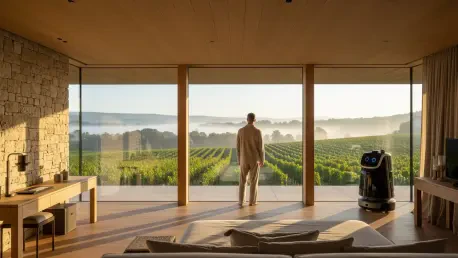
While many seek a return to the soil, a parallel segment of the luxury market is embracing a future defined by the seamless integration of advanced robotics and artificial intelligence. In major tech hubs and metropolitan centers, the presence of robotic staff members has transitioned from a high-tech novelty to an indispensable component of efficient hospitality operations. These sophisticated machines handle the heavy lifting of logistics, from autonomous room service delivery to deep-cleaning protocols, with a level of precision that human staff simply cannot match. By automating repetitive and labor-intensive tasks, luxury properties are able to free up their human employees to focus exclusively on high-touch, emotionally intelligent guest relations. This creates a dual-layered service model where mechanical accuracy handles the “what” of a guest’s needs, while human warmth and intuition address the “how” and “why.” The result is a frictionless environment where service is nearly invisible yet profoundly effective.
Innovation in this sector is not limited to logistics; it has fundamentally redefined the parameters of wellness and environmental stewardship within the hotel ecosystem. Advanced robotic massage systems are now utilizing high-resolution 3D body scanning to identify specific muscle tension and deliver personalized therapies that surpass the consistency of manual treatments. Simultaneously, the industry is deploying specialized droids designed for ecological maintenance, such as autonomous beach-cleaning units that can sort and upcycle waste in real-time. These technological advancements demonstrate a commitment to both individual well-being and global responsibility, aligning the hotel’s operations with the values of a conscious consumer base. Guests can now enjoy a stay that is hyper-personalized to their physiological needs while knowing that the property is utilizing cutting-edge tools to minimize its environmental footprint. This synergy between high-tech precision and sustainable practices represents the new standard for luxury.
Lifestyle Expansion: High Fashion and Pet Hospitality
The concept of a hotel gift shop has been completely reimagined as luxury properties evolve into global fashion and lifestyle brands in their own right. Rather than offering generic souvenirs, these establishments are launching exclusive capsule collections of high-end apparel and home goods that reflect the property’s unique aesthetic. This “check-in merch” often involves collaborations with world-renowned designers to produce limited-edition silk robes, cashmere loungewear, and signature fragrances that guests can incorporate into their daily lives. By doing so, hotels ensure that the emotional connection forged during a stay continues long after the guest has checked out, turning travelers into lifelong brand ambassadors. This strategy moves beyond mere marketing; it is an exercise in identity curation, allowing guests to carry a piece of the hotel’s atmosphere and values with them. The success of these retail ventures depends on their ability to offer items that are genuinely desirable for their craftsmanship.
Alongside the expansion into fashion, the luxury market has seen an unprecedented rise in the prioritization of pet hospitality, a phenomenon often referred to as Dogenomics. Modern travelers, particularly from younger generations, view their pets as integral family members whose comfort is non-negotiable when selecting a destination. Hotels have responded by creating comprehensive canine programs that rival the amenities offered to human guests, including specialized spa treatments like blueberry facials and customized nutritional menus prepared by executive chefs. Dedicated pet concierges are now a standard fixture at top-tier properties, organizing everything from local hiking excursions to professional photography sessions for four-legged companions. This level of care reflects a broader shift toward inclusive luxury, where the guest’s entire lifestyle and emotional support system are catered to with equal fervor. By acknowledging the deep bond between owners and their pets, hotels are able to foster a sense of loyalty.
Strategic Evolution: Professional Insights and Next Steps
The landscape of luxury hospitality reached a pivotal moment where the industry shifted its focus from opulent displays to the cultivation of deep, personal meaning. This transition required hotels to adopt a more proactive role in the lives of their guests, serving as curators of culture, technology, and well-being. Looking toward the horizon from 2026 to 2028, it became clear that successful properties prioritized the integration of authentic local traditions and high-tech efficiency in a way that felt natural rather than forced. To thrive in this environment, operators were encouraged to invest in specialized staff training that emphasized emotional intelligence alongside technological literacy. Furthermore, the development of unique retail and pet-centric offerings allowed brands to differentiate themselves in a crowded marketplace. Those who embraced these shifts realized that the most valuable commodity they could offer was the opportunity for guests to return home feeling genuinely transformed.
Strategic success during this period was defined by an ability to anticipate the subtle emotional needs of a globally mobile and digitally exhausted clientele. Leadership teams within the hospitality sector focused on creating regenerative business models that supported both the local community and the long-term health of the environment. By moving away from transactional service and toward transformative experiences, hotels secured a lasting position as essential lifestyle partners for the modern traveler. These institutions proved that luxury was not about what a guest possessed, but how a guest felt and what they learned during their stay. The most impactful initiatives involved deep collaborations across industries, including technology, fashion, and agriculture, which enriched the guest experience beyond the traditional boundaries of lodging. Ultimately, the industry demonstrated that the future of high-end travel rested on a foundation of empathy, innovation, and a respect for human experience.