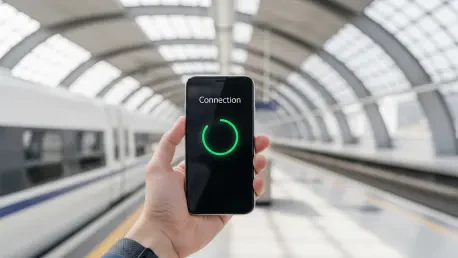

Navigating an unfamiliar metropolitan landscape without a persistent and high-speed data connection has transitioned from a minor travel annoyance into a significant logistical failure that can compromise an entire itinerary. As travelers move through international hubs, the expectation for immediate digital integration is no longer a luxury but a baseline requirement for establishing trust with service providers. In this environment, the availability of reliable network access acts as a primary filter through which all other travel experiences are viewed. A destination or hotel that fails to provide seamless connectivity is often judged as being behind the times or negligent regarding guest safety and convenience. Because the modern smartphone serves as the central hub for biometrics, digital wallets, and real-time navigation, a break in that link creates a sense of vulnerability. This shift in traveler psychology has forced the industry to prioritize digital infrastructure as a core component of the hospitality experience. Consequently, the relationship between a brand and its customers is now heavily mediated by the quality of the signal, making robust telecommunications the most critical factor in securing long-term traveler loyalty and confidence in the current market.
1. The Paradigm Shift: Connectivity as a Foundation of Trust
The evolution of mobile access from an optional perk to an essential utility has completely redefined the standard for modern travel management. In previous years, travelers might have sought out internet cafes or waited to return to their lodging to check messages, but the current landscape requires constant availability for managing schedules on the fly. Smartphones now serve as the indispensable command center for every phase of a trip, from presenting digital boarding passes and health credentials to coordinating complex ground transportation. When these devices lose connectivity, the traveler’s ability to manage their journey effectively disappears, leading to immediate frustration and a loss of confidence in the local infrastructure. This dependency has elevated mobile access to the same level of importance as electricity or clean water, establishing it as a fundamental human need within the context of global mobility and safety.
Furthermore, the quality of a destination’s digital infrastructure has become a decisive factor in brand loyalty and long-term tourism growth. Travelers who experience consistent, high-speed connectivity are more likely to view a destination as professional, modern, and welcoming. Conversely, areas with significant dead zones or throttled public networks suffer from negative reviews and a reputation for being difficult to navigate. This perception directly influences where people choose to spend their money and time, as the risk of being disconnected is too high for those managing work or family obligations remotely. Modern brands that invest in high-capacity networks are finding that this technical reliability acts as a powerful marketing tool, signaling to prospective guests that their practical needs will be met with the highest level of competence.
2. Operational Necessity: The Role of Reliable Networks
The modern traveler relies on mobile devices for a vast array of critical functions, including real-time navigation through dense urban centers and instantaneous language translation in foreign regions. In an era where physical maps and printed guidebooks have become obsolete, the absence of a stable network connection can leave an individual effectively stranded in a location they do not understand. Beyond simple navigation, many professionals now integrate their work responsibilities into their travel schedules, requiring reliable bandwidth for video conferencing and cloud-based collaboration. When a network fails to deliver on its promised speeds, it does not just disrupt a vacation; it potentially compromises professional obligations and financial security. This deep integration of technology into every facet of daily life means that network quality is now the primary metric by which travelers assess the overall value of their stay.
The availability of 5G technology has specifically altered the expectations of the global traveler, who now demands low latency and high-speed data as a default setting. Recent industry surveys indicate a direct statistical link between the documented quality of local network services and the selection process for premium accommodations. Prospective guests often research the specific Wi-Fi standards of a hotel before finalizing a booking, prioritizing those that offer high-tier connectivity over those that focus solely on traditional aesthetic luxuries. This trend has pushed hospitality providers to upgrade their hardware and enter into partnerships with telecommunications firms to ensure that their facilities can handle the increasing data demands of modern devices. A property that guarantees high-speed 5G coverage is seen as a safer and more reliable choice, especially for the growing demographic of travelers who require uninterrupted access for both personal and professional reasons.
3. Quality Standards: Professionalism and Secure Environments
Digital reliability has emerged as a key performance indicator for evaluating the overall service quality of the travel industry. When a provider offers a stable and fast connection, it serves as a proxy for their attention to detail and commitment to modern standards. In contrast, a poor connection is often interpreted as a lack of investment in guest satisfaction, casting a shadow over other services such as cleanliness or food quality. This perception of professionalism is particularly important in the luxury sector, where guests expect every aspect of their environment to be optimized for convenience. Transparent communication regarding technical standards, such as listing specific upload and download speeds, has become a hallmark of a trustworthy brand. By treating internet access as a critical utility rather than an afterthought, providers demonstrate that they understand the modern traveler’s priorities and are prepared to support their digital lifestyle.
Beyond the convenience of browsing and streaming, secure networks are essential for protecting the sensitive financial and personal data of international travelers. The rise of digital payment systems and mobile banking means that a significant amount of sensitive information is constantly being transmitted over local networks. Travelers are increasingly wary of unsecured public Wi-Fi and look for providers that offer encrypted, high-standard connections to safeguard their assets. Providing a secure and reliable digital environment is no longer just a technical requirement; it is a moral and professional obligation for those in the hospitality sector. Brands that successfully communicate their security protocols and provide robust protection against cyber threats build a deeper level of trust with their clientele. This focus on data integrity ensures that guests can conduct their financial affairs with peace of mind, further cementing the link between connectivity and overall satisfaction.
4. Digital Navigation: Supporting Mobile-First Itineraries
Modern travel is characterized by the use of mobile-first itineraries, where entire journeys are managed through integrated smartphone applications. From booking local tours to reserving tables at restaurants, the dependency on location-based services requires a continuous and stable internet connection to function correctly. These applications often utilize real-time data to provide updates on weather, traffic, and local events, allowing travelers to adjust their plans dynamically based on current conditions. Without reliable data, these sophisticated tools become useless, and the traveler is forced back into less efficient, manual methods of planning. The seamless synchronization of data across various platforms ensures that every part of the trip is optimized for time and enjoyment. This reliance on digital tools has made stable internet the invisible thread that holds a modern travel experience together, ensuring that every transition is smooth and every opportunity is captured.
Public Wi-Fi has also become a critical competitive advantage for modern cities looking to attract international visitors. Municipalities that invest in widespread, high-quality public internet services are viewed as more progressive and tourist-friendly than those that do not. These services facilitate easy access to public transportation schedules, digital maps of historical sites, and emergency services, enhancing the overall safety and accessibility of the urban environment. Cities that prioritize this type of digital accessibility often see higher levels of visitor satisfaction and increased spending, as tourists can easily find and navigate to local businesses. The presence of a strong public signal also encourages travelers to share their experiences in real-time, providing free social media marketing for the city. As urban centers continue to evolve, those that treat digital connectivity as a public good will remain at the forefront of the global tourism industry.
5. Global Competition: Economic Value and Emerging Trends
The quality of telecommunications infrastructure is a primary driver in attracting high-value visitors and long-term residents to specific regions. Tech-forward destinations that offer comprehensive 5G coverage and high-speed fiber optics are particularly appealing to digital nomads and remote workers who contribute significantly to local economies. These travelers are not just looking for a beautiful location; they are searching for a functional environment where they can maintain their professional productivity without interruption. This has led to the rise of connectivity guarantees in the hospitality sector, where hotels and rentals provide legally binding promises regarding internet speeds and uptime. Regions that invest in these upgrades from 2026 to 2028 will likely see a sustained increase in high-spending visitors who view digital reliability as a non-negotiable requirement for their stay. This economic shift highlights the role of technology as a fundamental engine for modern tourism growth.
Essential data trends indicate that consumer expectations for complimentary and high-speed Wi-Fi have reached an all-time high, with almost no tolerance for paid access or slow speeds. Statistical evidence shows a marked growth in smartphone-initiated bookings, confirming that the mobile device is the primary tool for both planning and executing travel. There is a clear and undeniable correlation between modern digital infrastructure and the level of trust a traveler places in a destination. As the industry moves forward, the focus will increasingly shift toward providing redundant and resilient networks that can handle the massive data loads generated by augmented reality tours and high-definition video communication. Staying ahead of these trends requires constant investment and a proactive approach to technology management. Destinations that successfully integrate these advancements into their core offering will be best positioned to capture the loyalty of the next generation of global travelers.
6. Practical Implementation: Strategic Planning and Frequently Asked Questions
To ensure a seamless experience, travelers must investigate network quality before confirming any major trip by reviewing destination websites and hotel details for specific Wi-Fi speeds and coverage maps to avoid unexpected dead zones. It is also prudent to secure global data options in advance by purchasing international plans, local SIM cards, or portable hotspots before departure to maintain a steady connection if local networks fail. Furthermore, travelers should favor lodging providers that promise specific internet speeds, choosing hotels or rentals that provide written guarantees for connection quality and offer dedicated technical help for guests. These proactive measures allow for a higher degree of control over the digital environment, reducing the risk of disruption and ensuring that professional and personal obligations can be met regardless of the destination’s inherent challenges.
Upon reaching a new location, it is critical to verify the signal immediately to ensure that all devices connect properly and reach the promised speeds within the first hour to resolve any issues quickly. Choosing locations that prioritize modern tech upgrades supports cities and resorts that actively invest in 5G and public internet services, which in turn fosters a better environment for all visitors. Travelers often asked about expected internet speeds in major global hubs, which generally exceeded 500 Mbps, and sought methods for staying connected while moving between locations using mesh networks and satellite-linked transportation. Safety protocols for using public Wi-Fi for payments remained a top priority, with experts recommending the use of virtual private networks and multi-factor authentication. Ultimately, the industry successfully recognized that digital connectivity was the cornerstone of modern trust, and businesses that implemented these technical standards saw a significant increase in consumer confidence and operational success.