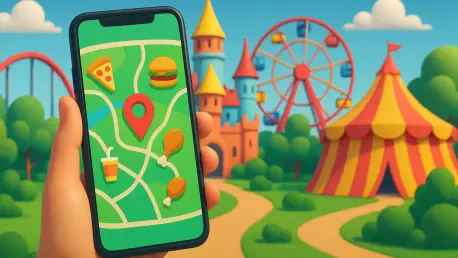

The digital transformation of the theme park dining experience reached a significant turning point recently when visitors attempting to secure a meal from their favorite resort restaurants encountered an unexpected logistical barrier on their mobile devices. This development represents a departure from the order from anywhere philosophy that has defined the My Disney Experience app for several years, introducing a geographic boundary that requires physical presence before a transaction can even begin. While mobile ordering was originally designed to maximize guest convenience by eliminating physical queues, the sudden appearance of proximity-based warnings suggests a shift toward more rigid crowd management strategies. Guests planning their itineraries for the upcoming months must now consider how these localized restrictions might interfere with the seamless, multi-tasking approach to dining that many have come to rely on during busy vacations. This change was first observed during peak travel periods, indicating that the convenience of remote ordering may now be secondary to the operational necessity of managing foot traffic and kitchen demand at popular quick-service locations.
Regional Impact: The Logistics of Proximity-Based Restrictions
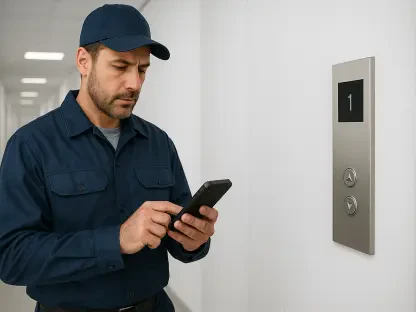
The implementation of these geographic restrictions focused on high-traffic areas known for their popularity among both resort guests and day-trip visitors, specifically within the monorail-accessible loop and the nearby wilderness-themed lodges. Establishments such as the Gasparilla Island Grill at the Grand Floridian and Capt. Cook’s at the Polynesian Village Resort were central to this experimental rollout, where guests were met with a notification stating they were too far away to proceed with their food selection. This system utilizes the location services of a user’s smartphone to determine their exact proximity to the restaurant before allowing the order process to initiate. Significantly, the restriction did not appear to differentiate between guests staying at that specific hotel and those visiting from another location; rather, it established a uniform physical requirement for all potential diners. This technical barrier effectively prevents individuals from placing orders while still on a bus, monorail, or boat, forcing them to be physically on-site before they can secure a pick-up window.
This shift in the digital interface fundamentally alters the rhythm of a Disney vacation, as the ability to coordinate meals while in transit has long been considered a key strategy for maximizing time in the parks. By removing the option to order ahead from a distance, the system reintroduces a form of waiting that the My Disney Experience app was originally intended to bypass. While the interface remains user-friendly, the added requirement of physical proximity introduces a level of friction that may frustrate those accustomed to the efficiency of the previous model. It creates a scenario where a guest might arrive at a resort only to find that the next available return time is significantly later than expected, a situation that could have been mitigated if remote ordering were permitted. This change forces a more reactive approach to dining, where visitors must prioritize arrival at the destination over the strategic planning of their meal times. The ripple effect of this policy influences not just individual diners but the overall flow of people through resort lobbies and dining corridors.
Operational Strategy: Motivations and Seasonal Testing
Analyzing the operational motivations behind these changes reveals a calculated effort to protect the integrity of kitchen operations during periods of extreme demand. When a restaurant is inundated with remote orders from guests who are still twenty or thirty minutes away, it creates a significant bottleneck in the production line and leads to food sitting under heat lamps or, conversely, a backlog that prevents on-site guests from being served promptly. By tightening the radius for mobile orders, the resort can ensure that the volume of active orders more closely aligns with the actual number of people ready to receive their food. This adjustment is particularly crucial for smaller venues like the Contempo Cafe or Geyser Point, where seating and kitchen capacity are limited and cannot easily scale to meet the surge of a fully remote-ordering public. The move suggests that Disney is prioritizing the quality and freshness of the meal over the sheer convenience of the ordering process, seeking a balance that maintains guest satisfaction without overwhelming the staff who must execute these high volumes.
Moving forward, visitors adopted a more flexible approach to dining logistics by proactively checking the status of their desired restaurant as they approached their destination. To avoid disappointment during peak holiday weeks, it was advisable to arrive at resort hubs earlier than planned, ensuring that the physical proximity requirement was met well before the hunger window began. Travelers also considered diversifying their dining choices, looking toward venues that were not part of the proximity trials to maintain the convenience of remote ordering. This development underscored the importance of staying updated with app functionalities, as the digital landscape of the resort continued to evolve in response to changing operational demands. Ultimately, navigating these new rules required a combination of patience and technical awareness, allowing guests to maintain the magic of their experience while respecting logistical constraints. Adapting to these requirements prepared diners for a structured environment where guest proximity was just as important as the order itself.