
Katarina Railko brings a sophisticated perspective to the hospitality industry, blending her background in travel and tourism with a sharp eye for the entertainment and events landscape. As a key voice in the hospitality sector, she has watched the London market evolve through various economic cycles and urban redevelopments. In this conversation, she shares her insights on the ambitious transformation of Waterman House into a lifestyle destination that bridges Berlin’s signature flair with London’s historic architectural charm.
Waterman House has stood vacant for over a decade and requires significant restoration. What are the primary structural and design challenges you anticipate in transforming this former office building into a boutique hotel?
Transforming a 25,000-square-foot office building that has been neglected for more than ten years is a monumental task that requires a delicate balance of preservation and modern engineering. The property has fallen into severe disrepair, meaning our teams must first stabilize the nine-story landmark before we can even begin the aesthetic refinements. Shifting from a corporate layout to a 73-key boutique hotel requires a total overhaul of the internal systems to meet modern luxury hospitality standards and ensure guest comfort. We are focused on reconnecting the property with its architectural heritage while introducing a new ground-floor retail concept to activate the Kingsway streetscape. It is about more than just construction; we are bringing a sense of warmth and energy back to a site that has been silent and cold for far too long.
With the flagship Hotel AMANO Covent Garden located just 50 yards away, how does the addition of Waterman House create a hospitality cluster, and what does this mean for the brand’s presence in the West End?
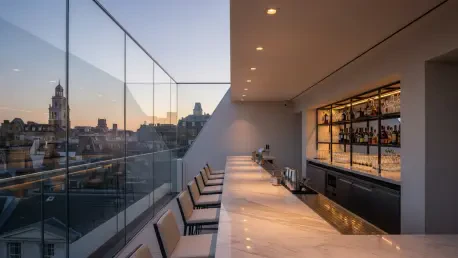
Building a hospitality cluster just 50 yards from our flagship property is a strategic masterstroke that anchors the AMANO brand in London’s most dynamic district. This proximity allows the 141-key flagship and the new 73-key Waterman House to operate as a singular ecosystem, offering guests a much richer variety of experiences. Visitors will benefit from an expanded collection of rooftop bars, restaurants, and event spaces, effectively doubling our lifestyle offerings in the heart of Theatreland. By positioning ourselves at the intersection of Covent Garden, The Strand, and Bloomsbury, we create a dominant brand presence that appeals to tourists and corporate occupiers alike. This density allows us to curate the entire guest journey, ensuring that whether they are looking for a morning coffee or a late-night cocktail, an AMANO venue is always within reach.
The planning consent from Westminster City Council materially improves the building’s operational functionality. How do these changes benefit the long-term viability of the asset compared to its previous life as an office?
The planning consent is a major milestone because it allows us to breathe life into a 41 Kingsway address that has been unproductive and empty for a decade. By increasing the room count to 73 keys, we are maximizing the operational functionality of the site and ensuring it remains a high-yielding asset for years to come. The redevelopment restores the property’s historic character while creating a vibrant street-level presence that invites the public inside through a new retail concept. Unlike a standard office building, this hotel will be a 24-hour operation, contributing to the safety and vibrancy of the local neighborhood. It is a transformation that honors the building’s architectural past while providing the modern amenities that today’s discerning market demands.
On completion, the total value of AMANO’s London estate is expected to reach £150 million. How do the shared operations and synergies between the two hotels contribute to achieving this kind of scale?
Reaching a £150 million valuation is a testament to the efficiencies gained by operating these two properties with one unified, expert team. This side-by-side model delivers the economies of scale necessary to thrive in a high-cost environment like London’s West End. We can streamline everything from maintenance and housekeeping to high-level management across the combined guestroom count. This operational synergy means that every square foot of the estate is working efficiently to generate revenue and support the brand’s long-term growth. By sharing resources and talent, we can invest more into the guest experience and the unique Berlin flair that has already made our Covent Garden location a validated success.
What is your forecast for the boutique hotel market in Central London?
I forecast that the boutique market in Central London will continue to thrive by reclaiming historic buildings for lifestyle-driven hospitality. Travelers are increasingly seeking out theatrical experiences that blend local history with modern design, exactly like this office-to-hotel conversion. The West End will remain a primary target for these high-value redevelopments because of its proximity to cultural landmarks and corporate hubs. I expect more international brands to follow this cluster model to maximize their footprint and operational efficiency in prime London locations. The future belongs to those who can turn neglected architectural gems into vibrant social hubs that resonate with the pulse of the city.