
The rapid transformation of Fredericksburg from a quiet enclave of German heritage into a premier national destination for viticulture has fundamentally altered the hospitality requirements of the Texas Hill Country. For decades, travelers sought out this region for its rustic charm and historic Main Street, often settling for modest accommodations that mirrored the town’s unpretentious character. However, as the local wine industry matured into a billion-dollar economic engine, the profile of the average visitor shifted toward a more discerning demographic accustomed to global luxury standards. This evolution created a significant gap in the market: a demand for lodging that provides sophisticated, high-end amenities without stripping away the authentic cultural identity that makes the Hill Country unique. The emergence of the Albert Hotel represents a strategic response to this shift, signaling that Fredericksburg is no longer just a regional weekend escape but a serious contender on the international stage of luxury travel.
Merging Heritage with High-End Hospitality
Architectural Preservation and Modern Design
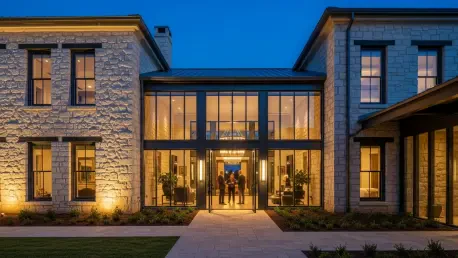
Maintaining the delicate balance between historical reverence and contemporary luxury requires more than just superficial renovations; it demands a deep commitment to the architectural soul of the community. The Albert Hotel achieves this through a ground-up development strategy that meticulously integrates 19th-century structures into a modern complex. Named after Albert Keidel, a local architect known for preserving Fredericksburg’s German vernacular, the property serves as a physical bridge between eras. By incorporating a historic pharmacy and a classic saloon into its footprint, the hotel ensures that guests are not insulated from the town’s history but are instead immersed in it. This design philosophy recognizes that the modern luxury traveler places a premium on authenticity, seeking out environments where the narrative of the location is palpable in every limestone block and restored timber frame.
The technical execution of this integration involves a sophisticated interplay of textures and materials that honor the past while providing the comforts of 2026. Rather than replicating historic styles with modern imitations, the developers chose to highlight the original facades as the face of the property, tucking the expansive luxury suites and amenities behind these venerable walls. This approach prevents the “theme park” aesthetic that often plagues historic districts, offering instead a nuanced experience where the transition from a 150-year-old storefront to a state-of-the-art guest room feels organic. The interior design reflects this restraint, utilizing clean lines and a neutral palette to emphasize the natural beauty of the Hill Country. By prioritizing architectural integrity over flashy opulence, the hotel creates a sense of place that feels both permanent and progressive, establishing a new standard for how historic towns can accommodate growth without losing their heritage.
Diverse and Spacious Accommodations
The luxury market in Central Texas has traditionally been dominated by small bed-and-breakfasts or large-scale resorts that often feel disconnected from the local culture. The Albert Hotel disrupts this binary by offering 105 guest rooms and suites that prioritize volume and versatility, with some units spanning 600 square feet. These dimensions are a rarity in historic downtown Fredericksburg, where space is typically at a premium. The rooms are designed to be “clean and inviting,” steering clear of the heavy, ornate decorations that once defined high-end lodging. This minimalist warmth is intended to provide a serene backdrop for guests who are often in the region to decompress. By focusing on high-quality linens, expansive natural light, and modern tech integration, the property ensures that the physical environment supports a restorative stay, catering to the specific needs of the “vino adventurer” who values both style and substance.
Beyond standard guest rooms, the property introduces a tiered system of accommodations designed to capture a wide array of travel segments. For instance, the inclusion of family-oriented rooms with built-in bunk beds acknowledges that the Hill Country is increasingly a multi-generational destination. Simultaneously, the Albertina House—a private four-room residence—offers an exclusive sanctuary for wedding parties or corporate retreats requiring a higher degree of privacy and communal space. This intentional diversity in room types allows the hotel to function as a versatile hub for various social and professional gatherings. By providing a scalable lodging experience, the hotel successfully moves away from the one-size-fits-all model of traditional hotels. This adaptability is crucial in a market where travel patterns are shifting toward longer stays and group-oriented itineraries, ensuring the property remains relevant throughout the seasonal cycles of the wine region.
Creating a Self-Contained Destination Experience
Comprehensive Wellness and Social Amenities
A defining characteristic of a world-class luxury property is its ability to function as a self-contained ecosystem, offering a range of services that keep guests engaged throughout their stay. The Albert Hotel emphasizes this through a robust wellness and social program, headlined by a full-service spa featuring seven treatment rooms. In an era where health-conscious travel is at its peak, providing professional-grade massage and skin treatments is no longer an optional add-on but a core component of the guest experience. This focus on wellness extends to the outdoor spaces, specifically the circular pool designed to mimic the traditional limestone watering holes found throughout the Texas landscape. This feature serves as more than just a place to swim; it acts as a communal social center, blending the relaxed atmosphere of a rural ranch with the refined service levels expected of a high-end boutique hotel.
Social connectivity is further fostered through the property’s extensive event spaces, which total over 5,000 square feet. These venues are specifically tailored to meet the surging demand for destination weddings and corporate off-sites in the Fredericksburg area. By offering on-site coordination and state-of-the-art audiovisual capabilities, the hotel positions itself as a primary venue that can handle complex logistics without losing the intimate feel of a local boutique. Furthermore, the inclusion of a traditional saloon with nightly live music ensures that the vibrant spirit of Texas Hill Country culture remains accessible to guests without them having to navigate the crowds of Main Street. This integration of social, professional, and wellness amenities creates a cohesive environment where the guest’s journey is curated from morning coffee to late-night entertainment, reinforcing the hotel’s role as a cornerstone of the regional hospitality landscape.
Culinary Innovation and Regional Flavors
The culinary identity of the Albert Hotel is a deliberate celebration of Texas-German fusion, a flavor profile that is deeply rooted in the history of Fredericksburg but often overlooked in modern fine dining. Led by Chef Mike Behan, the program at The Well House focuses on locally sourced ingredients and traditional techniques, such as the 48-hour brined pork chop. This commitment to regional sourcing supports the local agricultural economy and provides guests with a genuine taste of the Hill Country. The dining experience is designed to be approachable yet sophisticated, moving away from the stiff formality of traditional luxury dining in favor of a vibrant, communal atmosphere. By emphasizing regionality and craftsmanship, the hotel’s culinary program serves as an extension of the wine country experience, where the story behind the food is just as important as the presentation on the plate.
In addition to the primary dining room, the property utilizes its historic structures to offer unique, casual gastronomic experiences. The Keidel Pharmacy has been repurposed into a high-end market that serves as a tribute to the building’s original function while meeting the needs of modern travelers for quick, high-quality food. The signature brisket kolaches found here represent the perfect intersection of Texas barbecue culture and German pastry traditions, offering a tangible link to the town’s immigrant roots. Complementing this is Junebug BBQ, a dedicated venue that provides an authentic pit-smoked experience on-site. When combined with an extensive wine program that features the best of local Hill Country vineyards alongside international selections, the hotel establishes itself as a premier gastronomic destination. This multi-faceted approach to food and beverage ensures that the property appeals to both casual tourists and serious food enthusiasts, solidifying its reputation for excellence.
Setting a New Benchmark for Texas Tourism
The successful launch and operation of the Albert Hotel provide a blueprint for the future of Texas tourism, demonstrating that high-end development can coexist with cultural preservation. By prioritizing the “professionalization” of the hospitality sector, the property has raised the expectations for all subsequent developments in the Hill Country. It proves that luxury is not about excess, but about the quality of the experience and the authenticity of the environment. As Fredericksburg continues to grow from a regional secret into a national landmark, the Albert Hotel stands as a guardian of the town’s history, ensuring that the very things that made the area attractive in the first place are not lost in the pursuit of modernization. This balance is critical for the long-term sustainability of the region as a travel destination, as it maintains the character that draws visitors back year after year.
Moving forward, stakeholders in the Texas travel industry should view the integration of historic preservation and luxury amenities as a standard rather than an exception. The future of Fredericksburg lies in its ability to offer world-class service while remaining grounded in its unique German-Texan identity. Practical next steps for the region involve expanding infrastructure to support this high-tier tourism, such as enhancing transportation links between vineyards and downtown hubs. Furthermore, local businesses can look to the Albert Hotel’s success in culinary fusion and architectural adaptive reuse as a guide for their own growth strategies. By focusing on the intersection of heritage and hospitality, the Texas Hill Country can continue its trajectory as a leading global destination, providing a sophisticated experience that remains deeply connected to the land and its history. This approach ensured that Fredericksburg transitioned into a new era of prosperity while remaining a faithful steward of its past.