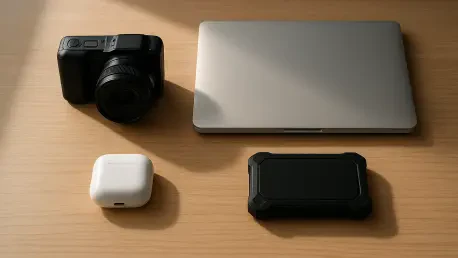

High-resolution cinematography no longer requires a compromise on mobility thanks to cinema-grade sensors integrated into compact, cage-free camera bodies. The modern landscape of travel has evolved from a simple pursuit of leisure into a complex logistical exercise mediated by high-performance technology. Today’s adventurer faces a specific set of digital challenges, including the rapid exhaustion of battery life across multiple interconnected devices and the persistent struggle for reliable connectivity while in transit between international hubs. To address these systemic pain points, a new generation of high-performance, portable tools has emerged, ensuring that technical capability no longer requires a compromise on luggage space or physical mobility. The primary objective of modern travel technology is to optimize the carry-on lifestyle by transforming logistical headaches into seamless journeys where every device serves a specific, high-value purpose. Each essential gadget is selected based on its ability to solve distinct problems, from providing absolute silence in crowded airport terminals to capturing professional-grade memories that rival studio productions. These innovations are designed to earn their place in a traveler’s strictly limited bag space by offering unparalleled reliability, durability, and multi-functionality in a variety of unpredictable environments.
Decentralizing Transit Through Marketplace Innovation
A significant trend in modern travel is the definitive shift away from centralized corporate services toward sophisticated peer-to-peer marketplaces. Platforms like Turo exemplify this movement by connecting travelers directly with local vehicle owners, effectively breaking the monotony of generic rental fleets that have long dominated the industry. This model allows for a highly curated experience, enabling travelers to choose a specific vehicle that fits the aesthetic or functional needs of their trip, whether it is a rugged off-roader for the mountains or a sleek electric sedan for urban exploration. By bypassing the traditional rental counter, travelers can enjoy a more streamlined handover process while often securing vehicles that are better maintained and more uniquely equipped than standard commercial offerings. This transition toward decentralized transit reflects a broader consumer desire for authenticity and personalization, where the journey itself is treated with the same level of curation as the destination.
Operating across North America, the United Kingdom, Australia, and France, these peer-to-peer services offer a level of flexibility and personalization that was previously unavailable to the general public. By providing a comprehensive platform that includes integrated liability insurance and 24-hour roadside assistance, they ensure that the move toward a more local, authentic transport experience does not come at the cost of personal safety or financial security. In the current era, the utility of transport is now considered just as important as the vibe of the journey itself, leading to a surge in demand for platforms that offer transparency in pricing and vehicle history. This shift has also empowered local car owners to monetize their assets, creating a more circular and sustainable travel economy in major tourist regions. As travelers increasingly prioritize convenience and variety, the reliance on traditional rental agencies continues to diminish in favor of these flexible, community-driven automotive solutions.
Professional Creative Workflows in Miniature Frameworks
One of the most robust categories in travel technology is imaging, where there is a clear and persistent trend toward professionalizing content without the need for heavy, cumbersome equipment. For street photographers who require discretion and speed, the Ricoh GR III represents the pinnacle of pocketable power, offering a large APS-C sensor that rivals the image quality of much larger DSLR systems. Meanwhile, modern flagship smartphones like the iPhone 15 Pro Max serve as a vital bridge between casual snapshots and professional media production, acting as a communication hub and a high-end camera in one integrated unit. These devices utilize advanced computational photography to overcome the physical limitations of small lenses, allowing travelers to capture stunning high-dynamic-range images and stabilized video in any lighting condition. The integration of professional-grade software also allows for immediate editing and distribution, which is essential for those who maintain a digital presence while on the move.
For individuals focused on professional video production, the Sony FX series and the DJI Mini 4 Pro drone have redefined the boundaries of what is possible for solo creators working in the field. The Sony FX series offers cinema-grade capabilities, including high frame rates and superior color science, in a body that requires no extra rigging or external monitors for standard operation. Similarly, the DJI Mini 4 Pro stays under critical weight limits to bypass complex registration hurdles in many jurisdictions, allowing for aerial perspectives that were once the exclusive domain of licensed professionals. Even wearable technology has matured significantly, with the Ray-Ban Meta Wayfarer allowing for hands-free 3K video capture that perfectly mirrors the wearer’s perspective. This allows travelers to document fast-moving environments and intimate moments without ever needing to reach for a phone or interrupt their natural interaction with their surroundings, ensuring a more immersive and less intrusive recording process.
Immersive Auditory and Visual Environments for Transit
Travel inherently involves a significant amount of dead time spent in planes, trains, and airport lounges, which the technology industry has addressed by creating high-fidelity personal entertainment environments. The Nintendo Switch OLED model remains the definitive choice for flexible entertainment, transitioning from a handheld device to a tabletop console with effortless ease. Its vibrant screen technology ensures an immersive experience even in the cramped quarters of an economy seat, making long-haul flights or delayed connections much more tolerable for passengers of all ages. The ability to play high-quality, narrative-driven games without a constant internet connection is a major advantage in transit environments where Wi-Fi is often spotty or prohibitively expensive. This shift toward high-performance handheld gaming has transformed the way travelers perceive long travel days, turning what was once a period of boredom into a productive or highly entertaining session of personal downtime.
High-quality audio equipment is equally essential for maintaining mental well-being and focus in noisy transit hubs where environmental noise can reach distracting levels. The Apple AirPods Pro 2nd Gen have become a functional necessity rather than a simple luxury, utilizing advanced Active Noise Cancellation to filter out the persistent roar of jet engines while allowing for important terminal announcements via intelligent transparency modes. These earbuds provide a seamless transition between listening to music and taking a phone call, which is vital for the modern digital nomad who must remain reachable at all times. For social settings or temporary stays in vacation rentals, the Bang & Olufsen Beosound A1 provides a durable, dust-resistant soundtrack, proving that luxury sound quality can survive the rigors of outdoor adventure. This balance of personal isolation and social audio allows travelers to control their acoustic environment regardless of the external chaos, leading to a much more relaxed and focused travel experience.
Advancing Power Delivery and Data Integrity Standards
The overall reliability of a modern travel kit is built on a foundation of efficient power management and secure, high-speed data storage. The shift toward Gallium Nitride (GaN) technology has revolutionized the charging industry by making adapters significantly smaller and more efficient than traditional silicon-based versions. For example, Nomad’s slim GaN chargers specifically address the physical reality of loose or poorly positioned airplane outlets by providing high-wattage power in a slim form factor that stays flush against the wall and resists falling out during turbulence. These chargers are capable of powering a laptop, a smartphone, and a tablet simultaneously, reducing the number of individual blocks a traveler must carry. This consolidation of power hardware is a crucial step in maintaining an organized and lightweight carry-on bag, ensuring that all devices remain fully charged throughout even the longest multi-leg journeys across different time zones.
For digital nomads and content creators, maintaining a mobile workstation requires high-capacity power banks and rugged storage solutions that can withstand environmental stress. The Anker 537 Power Bank provides enough wattage to charge a high-performance laptop in remote locations while remaining strictly within international airline battery capacity limits. Simultaneously, the Samsung Portable SSD T7 Shield ensures that a traveler’s digital work and personal memories are protected against environmental hazards like rain or accidental drops. It offers massive storage capacity with a specialized shell that resists water, dust, and physical shocks, providing peace of mind for those working in harsh or unpredictable conditions. In an era where data is often as valuable as the hardware itself, the integration of such robust storage solutions is vital for preventing the loss of critical files. This combination of reliable power and secure data ensures that the traveler’s digital life remains uninterrupted, regardless of their proximity to a traditional office or power grid.
Efficient Computing and Structural Device Security
The hardware that connects travelers to the global network must be both exceptionally powerful and remarkably lightweight to justify its place in a backpack. The MacBook Air with the M2 chip has become the consensus choice for a travel laptop due to its fanless design, which ensures silent operation, and its exceptional battery life that can last through an entire transoceanic flight. It provides more than enough processing power for intensive tasks such as 4K video editing or large-scale data analysis while remaining light enough to be virtually unnoticeable in a standard travel bag. This efficiency allows professionals to maintain their productivity from anywhere in the world without being tethered to a desk or a power outlet. The evolution of mobile computing has reached a point where the performance gap between desktop workstations and ultraportable laptops has narrowed sufficiently to support even the most demanding creative and technical workflows.
Finally, the physical protection of these expensive and essential devices is a crucial element of the modern travel kit that should not be overlooked. High-quality protective cases, such as those produced by Nomad, provide more than just standard drop protection; they offer a tactile, premium feel that ages gracefully over time, much like a traditional leather passport holder. This reflects a broader trend where technology accessories are expected to be as durable and aesthetically pleasing as any other high-end piece of luggage or apparel. By investing in high-quality structural protection, travelers can extend the lifespan of their devices and maintain their resale value, which is an important consideration for those who upgrade their tech regularly. These protective solutions complete the ecosystem of the modern adventurer, ensuring that every piece of technology is shielded from the inevitable bumps and scrapes of international travel while maintaining a professional and cohesive aesthetic.
Advancing the Standard of International Exploration
The integration of these specialized tools into a cohesive travel strategy provided a definitive solution to the most persistent challenges of global mobility. Travelers who prioritized modular hardware ecosystems discovered that their ability to pivot between professional commitments and personal leisure became significantly easier as the burden of heavy equipment disappeared. The shift toward Gallium Nitride power delivery and ruggedized solid-state storage meant that the fear of hardware failure or power loss was largely mitigated, even in the most remote destinations. By adopting cinema-grade sensors in compact bodies and leveraging peer-to-peer transit solutions, the modern adventurer successfully navigated the transition from being a passive tourist to an active, self-sufficient explorer. This evolution in gear selection transformed the logistical complexities of international transit into a streamlined, high-performance endeavor that maximized both productivity and enjoyment during every stage of the journey.
Looking forward, the successful traveler recognized that the key to a better experience lay in the quality, rather than the quantity, of the items they carried. The adoption of multi-functional devices allowed for a significant reduction in total luggage weight, which in turn increased physical stamina and decreased the stress associated with transit. Future considerations for personal travel kits focused on the increasing intersection of artificial intelligence and hardware, where devices began to anticipate the user’s needs before they arose. Those who stayed informed about these technological shifts remained better equipped to handle the changing demands of global travel, ensuring their kit remained relevant as new standards emerged. Ultimately, the strategic selection of these high-performance instruments offered a clear and actionable path toward a more intentional, efficient, and enriching experience for everyone who dared to explore the modern world.