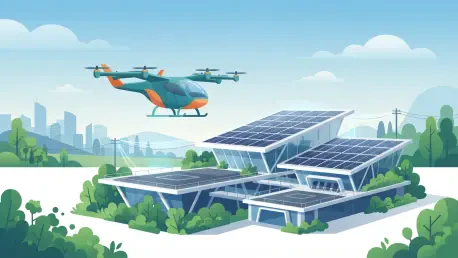

State officials are leveraging the 775-acre SunTrax facility in Polk County to develop the specialized infrastructure required for a high-volume urban air mobility network. This initiative marks a definitive turning point in regional transportation, as the state transitions from traditional ground-based logistics to a sophisticated aerial ecosystem. The ongoing demonstrations in the Tampa Bay area are not merely isolated experiments but represent a strategic alignment of public policy and private innovation. By integrating advanced flight technologies into the existing transit grid, Florida is effectively addressing the mounting pressure on its highway systems, particularly the congested corridors connecting major metropolitan hubs. These efforts signify a broader ambition to establish a sustainable and efficient highway in the sky that offers a viable alternative to terrestrial travel. As the 2026 landscape continues to evolve, these electric air taxis are poised to redefine the daily commute for millions of residents across the peninsula, offering a high-speed, on-demand rideshare experience that transcends the limitations of traditional asphalt infrastructure.
Reimagining the Flight Path
Historical Roots: The 1914 Legacy
The current surge in electric aviation draws a profound parallel to the historic events of January 1, 1914, when the world’s first scheduled commercial flight occurred right here in Florida. On that day, Tony Jannus piloted a Benoist airboat across Tampa Bay, forever altering the trajectory of human movement and global commerce. Today, the state is honoring this legacy by retracing those same flight paths with cutting-edge electric vertical takeoff and landing aircraft. This symbolic connection emphasizes that Florida remains the primary laboratory for aviation progress, bridging the gap between the internal combustion engines of the past and the silent, carbon-neutral propulsion systems of the current era. By revisiting the same geographic milestones that birthed civil aviation, modern engineers are proving that the transition to electric air mobility is a natural and necessary step in the continuous evolution of regional connectivity and industrial growth. The demonstration flights serve as a powerful reminder that the innovations of today are built upon a century of pioneering spirit, positioning the region as a permanent leader in the global aerospace sector.
Modern Transitions: The New Airboat
The transition from fossil-fuel-dependent aircraft to electric propulsion represents a significant leap toward environmental sustainability and operational efficiency. Unlike the loud and maintenance-heavy engines used in early commercial aviation, modern electric motors provide a quiet and reliable alternative that is perfectly suited for low-altitude urban operations. During the recent retracing of the Jannus route, observers noted that the near-silent operation of the electric taxis allowed them to blend seamlessly into the urban environment without contributing to noise pollution. This acoustic profile is a critical factor for public acceptance, as it enables the placement of vertiports in close proximity to residential and commercial districts. By successfully navigating the historic path from St. Petersburg to Tampa, these vehicles have demonstrated that the logistical challenges of the early twentieth century can be solved with the clean energy solutions of today. This modernization of a classic route proves that Florida is ready to move beyond the experimental phase and toward a functional, daily aerial transit system.
Engineering Diversity: Vertical Flight Systems
The technological landscape of 2026 is defined by a dual-track approach to electric flight, as demonstrated by the contrasting designs of Joby Aviation and BETA Technologies. Joby’s S4 model utilizes a sophisticated electric vertical takeoff and landing system equipped with six tilting propellers, allowing it to navigate dense urban environments with the precision of a helicopter while maintaining the efficiency of a fixed-wing aircraft. This aircraft is specifically engineered to accommodate a pilot and four passengers, reaching top speeds that can bypass even the most severe traffic congestion. The ability to take off and land vertically eliminates the need for sprawling runways, making it an ideal solution for city centers where real estate is at a premium. The sophisticated flight control software ensures a smooth transition between vertical and horizontal flight, providing a passenger experience that is both safe and comfortable. This engineering marvel represents the pinnacle of urban air mobility, offering a concrete solution to the problem of terrestrial sprawl by moving people through the air.
Regional Connectivity: Conventional Electric Flight
In contrast to vertical systems, the BETA ALIA CX300 focuses on conventional electric takeoff and landing, optimizing performance for short-range regional hops between established airports and newly constructed charging hubs. This model emphasizes aerodynamic efficiency and long-range battery endurance, making it a preferred choice for cargo delivery and regional transit connecting smaller communities to major urban centers. During the three-day demonstration, the BETA aircraft showcased its ability to operate reliably across the state’s existing runway infrastructure while utilizing specialized megawatt charging systems. This approach provides a necessary bridge for rural areas that may not yet have dedicated vertiports but require faster connectivity to larger metropolitan areas. By supporting both vertical and conventional electric aircraft, Florida is ensuring that its aerial network is versatile enough to serve a wide range of transit demands, from five-minute city hops to hour-long regional commutes. The coexistence of these technologies highlights the maturity of the industry and the state’s readiness to adopt a multi-modal approach to aerial transportation.
Strategic Infrastructure and Economic Outlook
Regulatory Foundations: State and Federal Synergy
Strong executive leadership and proactive legislative support have been instrumental in securing Florida’s position as a global leader in advanced air mobility. Governor Ron DeSantis and state transportation officials have fostered an environment where private companies can safely test and refine their technologies under real-world conditions. This commitment is reflected in the state’s active participation in the Federal Aviation Administration’s pilot programs, which aim to establish standardized safety protocols and air traffic management systems for electric aircraft. By prioritizing the development of a clear regulatory framework, Florida is providing the certainty that investors and manufacturers need to scale their operations. This government-led initiative serves as a national model for how states can facilitate the introduction of disruptive technologies through strategic partnerships and a forward-thinking approach to public safety. The collaboration between federal regulators and state officials ensures that the integration of electric air taxis into the national airspace is conducted with the highest standards of safety and efficiency.
Physical Groundwork: Specialized Vertiports and Charging
The physical foundation of this new aerial network is anchored by the specialized infrastructure currently being deployed at sites like SunTrax and various urban vertiports. Unlike traditional airports, these facilities are designed with high-capacity megawatt charging systems and automated flight control centers to handle the frequent turnover of short-haul electric flights. The strategic placement of these hubs near major transit arteries, such as the Howard Frankland Bridge, is intended to directly alleviate ground-level traffic bottlenecks by providing an aerial bypass for commuters. By reducing an hour-long terrestrial journey to a ten-minute flight, the state is effectively returning valuable time to its citizens, which remains the most significant value proposition of the urban air mobility industry. The ongoing expansion of this infrastructure ensures that the transition from demonstration flights to daily commercial service is supported by a robust and reliable ground-support ecosystem. As more vertiports are established across the state, the network effect will increase the utility and accessibility of air taxi services for all residents.
Economic Viability: Energy and Labor Efficiency
Economic data from recent flight operations reveals a compelling case for the long-term viability and affordability of electric air taxi services. During a focused three-day testing period, the demonstration aircraft completed twenty-six missions with a total energy expenditure of approximately 1,892 kilowatt-hours, costing a mere three hundred dollars in electricity. This staggering efficiency highlights the potential for electric aviation to significantly lower the barriers to entry for regional air travel, making it a competitive alternative to premium ground transportation and traditional private flights. Furthermore, the ability to operate these aircraft with minimal ground crew and reduced maintenance requirements suggests a streamlined business model that can be scaled across the entire state. As these operational efficiencies continue to improve, the focus will shift toward optimizing seat-mile costs to ensure that the benefits of this technology are accessible to a broad segment of the Florida population. The low operational overhead and high energy efficiency of electric propulsion systems provide a clear path toward a commercially successful and sustainable transportation future.
Scalable Solutions: Toward Ubiquitous Mobility
The successful execution of these electric air taxi demonstrations concluded a critical phase in the state’s journey toward a fully integrated aerial transportation network. Officials and industry partners spent months analyzing the flight data and community feedback to refine the operational protocols necessary for high-density urban environments. This period of intense technical evaluation proved that the initial concepts for quiet, efficient, and safe electric flight were achievable within the current regulatory and technological constraints. Looking ahead, the focus moved toward standardizing the communication systems between aircraft and establishing a nationwide network of interoperable charging stations. The state also prioritized the creation of vocational training programs to develop the specialized workforce required to maintain and manage this burgeoning industry. These collective actions ensured that the momentum generated by the initial flights was translated into a permanent and sustainable component of the regional transit system. By fostering a collaborative ecosystem of innovators and regulators, Florida established a definitive blueprint for the future of urban and regional mobility.