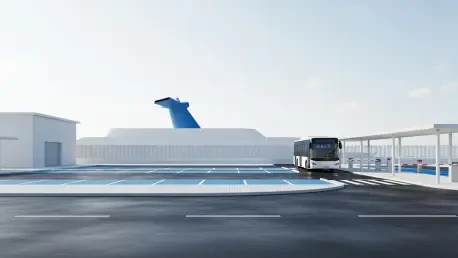

The surge in maritime tourism across Southern California has transformed the San Diego waterfront into a bustling epicenter for travelers seeking the crystalline waters of Mexico and the serene landscapes of Hawaii. As 2026 sees record-breaking numbers of departures from the Port of San Diego, the logistical reality of reaching the terminal has become a central concern for those wanting to start their vacations without unnecessary stress. The traditional approach of driving directly to the pier often results in navigating a labyrinth of restricted zones and facing exorbitant daily rates that can quickly inflate a travel budget. Consequently, the demand for specialized parking and transportation services has reached an all-time high, prompting a shift in how passengers perceive the beginning of their voyage. These services have evolved from mere storage solutions into integrated hospitality experiences that prioritize the passenger’s ease of movement from the moment they arrive in the city.
Overcoming the Challenges of Urban Terminal Congestion
Central to the frustration of many modern travelers is the concept of last-mile anxiety, which manifests as the fear of missing a departure due to traffic delays or lack of available parking near the ship. Navigating the dense traffic of downtown San Diego while hauling heavy luggage creates a physical and mental burden that often contradicts the relaxing nature of a cruise holiday. Professional off-site facilities like SD Park, Shuttle & Fly have addressed this by establishing a system that removes the vehicle from the equation well before reaching the congested port perimeter. By utilizing a dedicated shuttle service, passengers bypass the most difficult navigational hurdles, receiving direct drop-offs at the terminal entrance where porters are ready to assist. This method ensures that the transition from a personal vehicle to the cruise ship is fluid and managed by experts who understand the specific timing required for boarding windows. It represents a move away from disorganized self-parking toward a structured transit model.
Beyond the immediate convenience of transportation, the security of a personal vehicle during an extended absence remains a top priority for travelers embarking on multi-week itineraries. Modern parking solutions in the San Diego area have invested heavily in infrastructure that provides much more than a simple asphalt lot, incorporating advanced surveillance and professional monitoring. Facilities now feature perimeter fencing, high-intensity lighting, and staff members who maintain a physical presence on the grounds around the clock, ensuring that vehicles are protected from both environmental factors and unauthorized access. This level of oversight provides a psychological benefit, allowing vacationers to focus entirely on their destination rather than worrying about the safety of their property back home. The integration of these high-security standards reflects a broader industry trend where off-site providers compete by offering superior protection compared to the often unmonitored and overcrowded municipal or public parking structures located near the busy waterfront.
Maximizing Value: Digital Planning and Service Excellence
The modern traveler’s preference for certainty has fueled the widespread adoption of digital reservation platforms, which have become a cornerstone of the cruise parking industry in 2026. By allowing passengers to secure a spot weeks or even months in advance, these systems eliminate the risk of arriving at a full lot during peak holiday seasons when terminal parking is notoriously scarce. Furthermore, the competitive nature of off-site parking ensures that rates remain significantly lower than those found at on-site port facilities, making it a financially prudent choice for families and long-term cruisers alike. These platforms often provide transparent pricing and instant confirmations, aligning with the expectations of a tech-savvy public that values efficiency and clear communication. Staff at these locations further enhance the value proposition by providing personalized assistance with luggage, which significantly reduces the physical strain on elderly travelers or those with young children. This combination of digital convenience and high-touch service creates a comprehensive package.
The transition toward more efficient parking models proved that the most successful travelers were those who integrated logistical planning into the early stages of their trip itinerary. To ensure a seamless experience, it became clear that booking a specialized parking service ahead of time was the most effective way to mitigate the risks associated with urban port travel. Travelers who chose facilities offering both high-level security and reliable shuttle rotations found that the overall quality of their vacation improved significantly. Future passengers were encouraged to verify the specific amenities of their chosen lot, such as the frequency of shuttle departures and the presence of 24-hour surveillance, to maintain this high standard of convenience. By addressing these practical concerns early, individuals transformed a potentially chaotic start into a well-managed component of their journey. Ultimately, prioritizing these off-site solutions allowed participants to bypass the traditional hurdles of maritime departures, setting a new standard for how the San Diego cruise industry functioned at its most efficient level.