
Katarina Railko is a distinguished hospitality expert who has spent years refining her understanding of the travel and tourism industry. With an extensive background in entertainment and large-scale events, she is a leading voice on the social dynamics of public spaces. In this conversation, we delve into the intricate and often unspoken rules of the British pub, exploring how these traditional “community living rooms” maintain order through a series of subtle social contracts.
Since traditional pubs lack physical lines, how can a newcomer accurately identify their place in the “mental queue” at a crowded bar? What specific non-verbal cues, such as eye contact or body positioning, help signal readiness to the staff without appearing impatient or aggressive?
Navigating a bar that is three-deep with thirsty patrons can certainly feel like chaotic territory for the uninitiated, but the secret lies in observing the “mental queue” that both the staff and locals maintain. When you arrive, take a moment to scan the room and note who was already standing there before you; this silent acknowledgment of the order is the bedrock of pub etiquette. To signal the bartender, you should stand where you are clearly visible, maintain steady eye contact, and perhaps offer a subtle half-smile or a slight eyebrow raise to indicate you are ready. Avoid aggressive gestures like waving cash or clicking your fingers, as these are seen as incredibly rude and will likely land you at the very back of the staff’s internal priority list. If a bartender shouts, “Who’s next?” and you know someone else was there first, it is considered a mark of great character to point toward them and let them go ahead of you.
When ordering a complex drink like a Guinness that requires a settling period, why is it essential to mention it at the start of the order? What are the practical downsides of assuming table service is available, and how should guests handle situations where they feel ignored?
In a traditional pub, the bar is the engine room of the entire establishment, and the default rule is that you must go to the counter to place your order. One of the most common mistakes visitors make is sitting at a table and waiting for a server, which often results in them being ignored for the entire evening because table service is rarely the norm. When you do reach the bar, you must lead with the Guinness if it is part of your round because that specific stout requires a two-part pour and a significant settling period to reach its perfect consistency. By mentioning it first, you allow the bartender to start the pour while they gather your other drinks, such as wine or whisky measures, making the process much more efficient for everyone involved. If you feel you aren’t being seen, simply stay in your position and remain patient; the staff are usually tracking a dozen different orders at once and will eventually get to you if you remain visible and composed.
The “round system” acts as a social bond, but it can be financially tricky. How should a visitor manage their turn to pay when in a large group, and what is the most polite way to exit the cycle or decline a drink without appearing stingy?
The round system is arguably the most beloved ritual in British pub culture because it fosters camaraderie and ensures that no one is constantly running back and forth to the bar. However, it can become a financial burden in large groups, so it is perfectly acceptable to “opt out” by clearly stating that you are only staying for one or that you prefer to buy your own. If you have accepted a drink from someone else, the unspoken rule is that you are expected to reciprocate when it is your turn, and being a “round dodger” can quickly lead to social shaming within the group. For those who want to leave early, the best approach is to announce your departure before the next round begins so you don’t inadvertently end up owing or receiving a drink you won’t finish. It acts as a social leveler, and as long as you are honest about your intentions, most locals will respect your boundaries.
In a setting that functions like a “community living room,” what are the etiquette standards for noise levels and phone use? Furthermore, if a table is empty but has a beer mat placed over a glass, what does this signify about the seat’s availability?
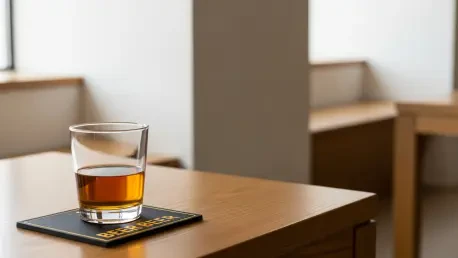
A British pub is often described as an extension of the home, which means the atmosphere should remain respectful and relatively conversational rather than raucous. You will notice that while there is plenty of gossip and chat, shouting is generally scowled at by the regulars, and phone volumes should be turned down to avoid disturbing the collective peace. This “living room” mentality also extends to how people claim their space; if you see a table that looks empty but has a beer mat resting on top of a glass, that is a universal signal that the seat is taken. The drinker has likely just stepped away for a moment to go to the bathroom or head outside for a cigarette, and moving their things would be seen as a major breach of local etiquette. Treating the space with the same respect you would show in a friend’s house or a community hall will ensure you blend in perfectly with the regulars.
Shared snacking follows its own set of informal rules, such as ripping open crisp packets for the group. Why is it important to present snacks this way, and what are the social consequences of using a knife and fork for traditional items like Scotch eggs?
Snacking in a pub is a communal affair designed to keep people drinking longer, and the way you present these items says a lot about your social awareness. When you buy a bag of crisps, particularly classic flavors like salt and vinegar or cheese and onion, the expectation is that you rip the side of the bag wide open and place it in the center of the table for everyone to share. This “picnic-style” presentation is a low-stakes way of showing generosity and participating in the group dynamic. When it comes to more substantial items like Scotch eggs or pork pies, which are often found sitting temptingly on the counter, you should always eat them with your hands. Using a knife and fork for these items is considered far too formal for a boozer and marks you instantly as someone who doesn’t understand the relaxed, tactile nature of pub food.
The “last orders” bell creates a 15-minute window before the final closing. What is the expected response from patrons once that bell rings, and why is it considered poor form to try to negotiate for one more drink once the second bell sounds?
The ringing of the bell is a historic and highly efficient way to signal that the evening is drawing to a close, usually occurring around 23:00 on weekdays or midnight on weekends. When that first bell sounds, it is your fifteen-minute warning to head to the bar for one final “nightcap” before the taps are closed for good. Once the second bell rings, the “fun is over,” and it is time for the staff to begin their well-deserved cleanup and rest. Attempting to negotiate for “just one more” after the second bell is seen as incredibly poor form and is disrespectful to the people who have been serving you all night. A good patron understands that once the lights start to go up and the bell has finished ringing, it is time to finish their drink and leave the premises quietly and considerately.
Do you have any advice for our readers?
My best advice for anyone stepping into a British pub for the first time is to simply be a keen observer and lead with a spirit of patience and honesty. Respect the staff, understand that the invisible queue is real, and don’t be afraid to ask a local if you’re unsure about a specific custom, as most regulars are proud of their pub’s unique atmosphere. The beauty of the pub lies in its shared history and the sense of belonging it provides, so if you treat the experience with the respect it deserves, you will find it to be one of the most welcoming environments in the world. Remember that these rules aren’t there to restrict you, but rather to ensure that the “cheerful chaos” remains a pleasant experience for every single person in the room.