
The traditional paradigm of high-end vacationing often forces families to choose between the cramped, standardized luxury of a five-star hotel and the spacious but service-starved isolation of a private villa. This compromise is becoming increasingly unacceptable for the modern traveler who seeks the comfort of home without relinquishing the meticulous hospitality associated with the world’s most prestigious hospitality brands. Espais Roca has emerged as a transformative force in this landscape, successfully pioneering a hybrid model that bridges the gap between these two worlds. By curating expansive, architecturally significant properties and imbuing them with the standards of a boutique hotel, the organization has addressed the logistical nightmares that typically plague multi-generational travel. This approach allows parents to maintain the sophistication of their personal aesthetic while enjoying the functional autonomy required for children, ensuring that travel remains a restorative endeavor.
Melding Architectural Integrity: Global Destinations
A cornerstone of the brand’s philosophy is the preservation of architectural character, which serves to ground every guest’s experience in the authentic history of their chosen location. Rather than imposing a generic corporate aesthetic, the development team meticulously restores historic structures, such as merchant townhouses or rustic barns, to highlight their original structural beauty while integrating modern conveniences. This commitment to architectural integrity ensures that the property itself becomes a central part of the travel narrative, offering what is often described as a profound sense of arrival. By respecting the local heritage, these spaces provide an immersive environment that feels connected to the neighborhood rather than isolated from it. Guests are invited to inhabit history, living within walls that tell a story of the past while enjoying a level of refined comfort that meets the highest contemporary standards of luxury and functional excellence.
The strategic selection of locations across diverse European landscapes reinforces this dedication to cultural relevance, spanning from bustling urban centers to serene rural retreats. In Portugal, the portfolio features grand maisons and expansive twelve-bedroom townhouses in the historic districts of Porto and Lisbon, catering to large groups who wish to explore the Iberian Peninsula. The collection also extends to the Mediterranean, with carefully curated properties situated in the old towns of Malta and Palma de Mallorca, where ancient stone meets the sea. For those preferring the tranquility of the English countryside, several pastoral estates in the East Midlands offer a secluded escape that rivals the amenities of a five-star resort. This geographic diversity ensures that whether guests are seeking a vibrant city experience or a quiet woodland sanctuary, they encounter a consistent standard of excellence that is uniquely tailored to the specific charm of the environment.
Prioritizing Group Comfort: Sustainable Luxury
From a functional perspective, the transition from traditional hotel bookings to large-scale private residences offers tangible advantages for groups that extend beyond mere square footage. Once a traveling party exceeds four or five individuals, the logistics of coordinating multiple hotel suites often become cumbersome and prohibitively expensive. In contrast, a multi-bedroom residence provides a natural division of space that facilitates both communal interaction and individual privacy. Adults can enjoy socializing in expansive living areas or professional-grade kitchens long after the children have been settled into quiet, separate bedrooms. This layout eliminates the stress of managing rigid restaurant schedules or the discomfort of being confined to a single room during nap times. By providing a self-contained ecosystem, these properties empower families to dictate their own schedules, fostering a sense of autonomy that is rarely found in the conventional hospitality sector.
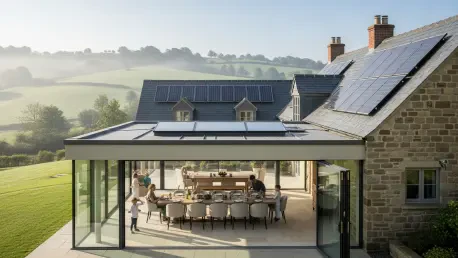
The interior experience is elevated through the deliberate use of high-tier products and advanced technological integration, ensuring that domestic comfort is matched by professional luxury. Guests rest on Hypnos mattresses, a brand synonymous with international luxury, and have access to premium Rituals bath products and high-performance Italian coffee systems. This attention to detail extends to the technological infrastructure, which features intuitive smart-home systems and high-grade climate control to maintain an optimal environment. Beyond aesthetics and comfort, the brand prioritizes sustainability by operating properties that achieve near carbon neutrality through the use of renewable energy sources. Solar panels, biomass heating, and intelligent energy management systems are standard across the portfolio, reflecting a commitment to eco-friendly practices that do not compromise the guest experience. This synthesis of luxury and responsibility defines a new standard.
Enhancing Guest Experiences: Specialized Care
Central to the brand’s mission is the family-first logic that simplifies the often overwhelming logistics of traveling with infants and young children across international borders. Every property is designed to be fully baby-ready, which significantly reduces the packing burden on parents by providing high-quality travel cots, high chairs, and essential safety features like stair gates. The sleeping arrangements are inherently flexible, with beds that can be reconfigured to accommodate various group sizes and child ages, ensuring everyone has a comfortable and safe place to rest. To keep younger guests engaged, properties are equipped with a curated selection of wooden toys, modern gaming consoles, and streaming services tailored to different age groups. Optional services, such as professional on-site spa treatments and vetted babysitting, allow parents to reclaim personal time without leaving the property. This comprehensive support system ensures that the needs of children are met.
To prevent the feeling of isolation that can sometimes accompany independent vacation rentals, the brand utilizes a host-led service model that maintains a vital human connection throughout the stay. Local hosts are assigned to each property to provide personalized orientations and share invaluable insider knowledge about the best local dining, hidden gems, and efficient navigation tips. This hands-on approach transforms what could be a sterile transaction into a managed experience, providing travelers with the peace of mind that support is always just a phone call away. Whether it is securing a last-minute reservation at a sought-after local bistro or troubleshooting a minor technical issue, the presence of a dedicated local expert ensures a seamless experience. This level of personalized care has garnered recognition from major global travel publications, positioning the brand as a leader in the evolution of managed luxury rentals while the host acts as a bridge to the culture.
Reimagining the Future: Luxury Family Hospitality
The success of this innovative model represented a significant shift in the broader travel industry, effectively dismantling the long-standing divide between high-service hotels and low-service rentals. By catering specifically to the needs of sophisticated groups who required the logistical benefits of a large home but refused to lower their standards for design, the brand established a new benchmark for quality. The integration of historical preservation, eco-friendly technology, and a deep understanding of family dynamics created a compelling alternative for modern travelers. This approach demonstrated that luxury was not just about the gilded ornaments of the past, but about the thoughtful removal of friction from the travel experience. As a result, the brand successfully attracted a loyal following of global citizens who valued meaningful and stress-free experiences. The emphasis on high-quality autonomy allowed families to create lasting memories in settings that were beautiful.
To maximize the benefits of this evolving hospitality landscape, travelers began prioritizing properties that offered comprehensive baby-ready inventories and integrated local hosting. This shift suggested that the future of luxury travel relied on the ability of brands to anticipate individual family needs before the guests even arrived. Future travelers were encouraged to look beyond mere aesthetics and evaluate the technological and environmental footprint of their accommodations. Investing time in researching host-led models proved to be the most effective way to ensure a seamless transition into a new culture without the typical stresses of self-managed rentals. By embracing these hybrid models, families found they could enjoy the privacy of a residence while maintaining the security of professional management. This period in travel history marked the definitive end of the one size fits all approach to luxury, replacing it with a system that placed human connection at the center.