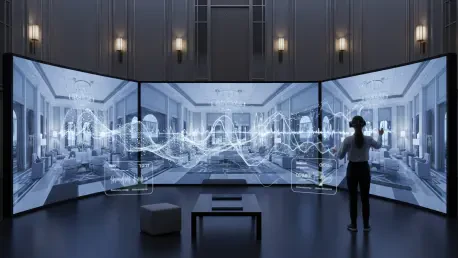

While the fundamental essence of hospitality remains rooted in the concept of welcoming a stranger, the methods used to measure and enhance that encounter have shifted from intuition-based strategies to high-precision biometric data and real-time behavioral analytics. This profound change is not merely about replacing paper surveys with digital forms but represents a complete reimagining of human connection through the lens of modern data science. At the forefront of this movement is the Digital Transformation Lab at Texas A&M University, which functions as a critical nexus for translating academic breakthroughs into practical service industry standards. By integrating artificial intelligence and immersive digital environments, this facility is reshaping how the global hospitality sector defines the guest experience. It provides a structured space where complex variables can be isolated, ensuring that the next generation of leaders enters a competitive market.
Emotional Insights and Biometric Data
The integration of biometric sensors represents a move away from the subjective nature of traditional feedback loops toward a more scientific methodology. By monitoring heart rate variability and facial expressions, researchers can identify the subconscious triggers that lead to either guest delight or frustration. This objective data serves as the foundation for creating service environments that are tailored to the physiological needs of the individual. Beyond simple convenience, this approach seeks to understand the deeper psychological impacts of hospitality, ensuring that every touchpoint is designed with a specific emotional outcome in mind. The laboratory environment allows for the testing of these theories in a controlled setting, providing empirical evidence that can be used to justify large-scale operational changes. As businesses look to differentiate themselves, the ability to cite hard data regarding guest comfort becomes a significant advantage.
Shifting From Surveys to Active Biometrics
Historically, the hospitality industry has relied heavily on retrospective data collection, such as guest satisfaction surveys or follow-up interviews, to gauge the quality of a stay or meal. However, these traditional methods are frequently flawed by human memory bias or the inability of respondents to articulate subtle emotional shifts that occurred during their visit. The Digital Transformation Lab addresses this gap by employing sophisticated behavioral analytics and biometric technology, including skin response sensors and AI-powered voice analysis, to capture physiological reactions during service encounters. This shift allows for an objective understanding of how guests and employees feel as an interaction unfolds in real time. By focusing on biological markers rather than filtered memories, the industry can move toward a model where improvements are rooted in actual human behavior rather than anecdotal evidence provided after a specific event.
Identifying Friction Points via Data Science
Implementing these biometric tools allows researchers to pinpoint the exact moment a service failure occurs or when a particular amenity triggers a positive emotional peak. Analyzing the vocal pitch and skin conductivity of a guest during the check-in process reveals stress levels that a standard questionnaire would likely miss entirely. This data-driven approach provides a granular view of the guest journey, identifying friction points that might otherwise remain invisible to management. Furthermore, this technology is not limited to the guest side; it also monitors employee reactions, offering insights into staff burnout or the effectiveness of training protocols. When organizations understand the physiological reality of the service environment, they design workflows that minimize stress and maximize satisfaction for everyone involved. This precision transforms the service industry into a proactive field where environments are optimized for the well-being of participants.
Staff Training Through Digital Simulation
Transitioning from data collection to practical application requires a training environment that can simulate the complexities of modern service interactions. The lab serves as a bridge, allowing students to apply theoretical knowledge in a setting that mimics the unpredictable nature of the hospitality industry. By utilizing advanced simulation technology, the facility creates a safe space for experimentation where the consequences of a mistake are educational rather than financial. This model of training emphasizes the importance of adaptability and quick decision-making, which are increasingly vital in an industry characterized by rapid change and high guest expectations. Students are encouraged to test different approaches to problem-solving, receiving immediate feedback based on their performance within the digital environment. This iterative process ensures that they develop a deep understanding of service dynamics, preparing them for the realities of a professional career.
Building Resilience in Virtual Environments
The PRISM Virtual Simulation Room is a central component of this educational evolution, offering a level of immersion that traditional role-playing exercises cannot match. By placing students in a 360-degree digital environment, the lab can recreate the sensory overload of a busy hotel lobby or a high-traffic restaurant during peak hours. This immersion is critical for developing emotional resilience, as it forces students to manage their own stress levels while simultaneously addressing the needs of virtual guests. Instructors can introduce various stressors, such as technical glitches or difficult customer interactions, to see how students respond in real time. The goal is to build muscle memory so that when these individuals face similar challenges in the real world, their responses are instinctive and professional. This high-fidelity training reduces the learning curve once students enter the workforce, providing them with a significant advantage in terms of readiness.
Strategic Evolution: Integrating Data Science Into Modern Service Standards
Organizations that successfully navigated the shift toward data-driven hospitality prioritized the integration of biometric insights into their daily operational workflows. By moving away from static feedback models, these businesses established a dynamic understanding of guest needs that allowed for real-time service recovery and personalization. Training programs were modernized to include immersive simulations, ensuring that staff members gained the resilience to handle complex scenarios before encountering them in live settings. Furthermore, industry leaders fostered strong partnerships with research institutions to test emerging technologies in controlled environments, thereby minimizing the risks associated with large-scale digital transitions. These steps moved the industry beyond mere automation and toward a future where technology served as a foundation for deeper human connection. The focus remained on using data to support empathetic service, creating a sustainable model for growth.