
The traditional image of the African safari, once defined by dusty Land Rovers and passive observation from behind a window, is rapidly transforming into a dynamic journey of active participation and deep ecological connection. In the heart of Kenya, a fundamental shift is occurring as the luxury market moves away from standardized vehicle-based tours toward more immersive and holistic experiences that prioritize sustainability and personal wellness. Leading this transformation is Great Plains, an organization founded by National Geographic explorers, which has recently unveiled the 2026 expansion of the Mara Expedition Camp. This development is not merely an upgrade in accommodations but a total reimagining of what it means to stay in the Maasai Mara. By blending the historical charm of classic African exploration with contemporary environmental values, the camp is setting a new standard for high-end travel. This evolution focuses on creating a profound bond between the traveler and the landscape through diverse, hands-on activities that replace the old model of simple observation.
Pioneering Active Discovery: Beyond the Traditional Vehicle
One of the most significant changes in the Kenyan safari landscape is the introduction of active exploration options that allow guests to step outside the confines of the traditional safari vehicle. For the first time, visitors at the Mara Expedition Camp can navigate the sprawling grasslands on bicycles, riding alongside local wildlife like impalas and gazelles for a more intimate and exhilarating view of the ecosystem. This shift away from motorized transport reduces the carbon footprint of the safari and provides a sensory experience that is impossible to replicate from inside a car. Guided walking safaris further enhance this connection by highlighting the intricate, smaller details of the bush that are often overlooked during high-speed game drives. Expert guides lead guests through the terrain, teaching them about native plant species, birdlife, and the subtle signs of animal movement. These activities offer a slower, more educational pace that encourages a deeper understanding of the Kenyan wilderness from the ground up, fostering a sense of true discovery.
Complementing this sense of ground-level discovery is a creative integration of historical design and modern luxury known as the “Pool on Wheels.” This feature represents a striking blend of pioneering spirit and contemporary comfort, as a functional swimming pool is built onto the chassis of a restored 1950s Hanomag truck. This elevated structure provides guests with a unique vantage point over the vast plains of the Mara, allowing them to relax in the water while keeping an eye on the horizon for wildlife movements. During the day, the truck serves as a central hub for relaxation and socializing, while in the evening, it transforms into a sophisticated venue for private dinners and sundowners. This innovative use of vintage machinery honors the early days of African expeditions while providing the high-end amenities that modern travelers expect. By repurposing historical assets into luxury features, the camp creates a narrative of continuity that bridges the gap between the adventurous past of exploration and the refined, sustainable future of luxury tourism in the region.
Cultivating Connection: Participatory Dining and Family Education
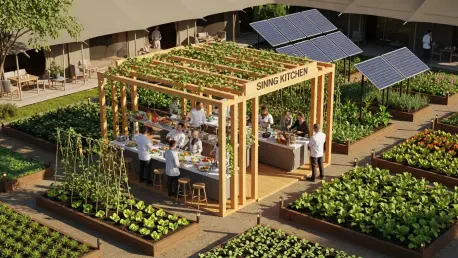
The culinary experience at the camp is also being reimagined through the “Singing Kitchen” concept, which promotes communal and participatory dining over traditional, secluded service. Instead of a standard restaurant model, guests are invited directly into the heart of the kitchen to interact with chefs as they prepare seasonal meals using fresh produce sourced from the camp’s own organic garden. This garden-to-table approach ensures that every meal is both fresh and environmentally responsible, reducing the need for long-distance food transport. The atmosphere in the kitchen is one of celebration, often accompanied by storytelling and music, which highlights the rich cultural heritage of African hospitality. This shift turns mealtime into a social event that emphasizes the social roots of the region, allowing guests to gain a deeper appreciation for local flavors and traditions. It is a move toward transparency and engagement, where the process of creating a meal is just as important as the final dish, fostering a stronger sense of community among guests and staff.
To accommodate the steady rise in multi-generational travel, the camp has integrated specific features that make the safari experience both accessible and educational for families. New two-bedroom tents have been designed to provide ample space and privacy for groups traveling with children, ensuring that the luxury experience does not compromise on comfort or safety. Parallel to these structural changes is the “Young Explorers” program, which offers a curriculum-focused adventure for the next generation of conservationists. Through wildlife tracking, traditional cooking lessons, and lessons in environmental stewardship, children are taught the importance of preserving the natural world. By engaging younger guests in these hands-on ways, the camp aims to inspire a lifelong commitment to conservation and a respect for biodiversity. This educational focus ensures that the safari is more than just a vacation; it becomes a formative experience that shapes how children view their role in the global ecosystem, effectively preparing them to be the future guardians of these wild spaces.
Sustaining the Core: Wildlife Mastery and Holistic Wellness
While these new features represent a significant evolution, the core of the Kenyan luxury safari remains firmly rooted in world-class wildlife viewing and personal rejuvenation. Guests still enjoy exclusive access to prime conservancy land, where they are equipped with professional-grade photography gear to capture their encounters with lions, leopards, and other iconic species. This emphasis on high-quality wildlife interaction is complemented by a strong focus on wellness and mental restoration. The camp offers open-air massages that allow guests to unwind while listening to the sounds of the bush, as well as private outdoor copper bathtubs that overlook the endless plains. These offerings, combined with the ease of flight access from Nairobi, ensure that the modern luxury safari remains both a rugged adventure and a restorative retreat. The goal is to provide a balanced experience where the thrill of the hunt—captured through a lens rather than a rifle—is followed by periods of deep reflection and relaxation in a setting that remains wild and untouched.
The evolution of the Kenyan safari experience culminated in a shift that favored depth over distance and engagement over observation. Travelers who sought these refined experiences moved beyond the role of spectators and became active participants in the conservation narrative of the Maasai Mara. This historical transition proved that luxury could coexist with rigorous environmental standards and meaningful community involvement. For those planning future journeys, the actionable takeaway involved prioritizing operators that integrated local culture and active exploration into their itineraries. It became clear that the most rewarding safaris were those that challenged the body, educated the mind, and restored the spirit simultaneously. Industry stakeholders recognized that the long-term viability of the region depended on this holistic approach, which protected the landscape while providing world-class hospitality. Ultimately, the successful transformation of the safari model provided a blueprint for how high-end tourism could serve as a powerful tool for global ecological preservation.