
The rapid transformation of Chengdu from a regional capital into a global economic powerhouse has created an unprecedented demand for hospitality experiences that transcend traditional boundaries of opulence. As of 2026, the city stands at a pivotal juncture where the influx of international capital and a burgeoning class of sophisticated travelers necessitate a new architectural and service paradigm. The recently announced collaboration between Corinthia Hotels, Shilong Industry Co, and The Geminus Group represents more than just a real estate venture; it is a calculated entry into the Chinese market by a brand known for its Mediterranean elegance. By anchoring its presence in the high-tech Gaoxin District, specifically within the South Central Activity Zone, Corinthia is positioning itself at the very heart of the city’s future development. This strategic move anticipates the shifting preferences of modern luxury consumers who increasingly prioritize a blend of technological convenience, cultural depth, and environmental consciousness in their choices.
Architectural Vision and Urban Integration
The Vertical Landmark of Gaoxin District
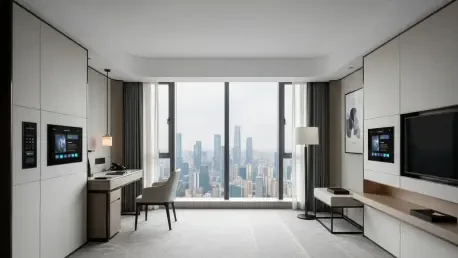
Standing as the centerpiece of a massive RMB 4.0 billion master development, the new Corinthia project is defined by its impressive 225-meter mixed-use tower. This structure is not merely a tall building but a vertical ecosystem designed to integrate high-end residential components with premium commercial hubs and luxury retail spaces. The sheer scale of the investment reflects a deep confidence in the long-term stability and growth of the Chengdu real estate market over the next decade. By 2032, this tower will house 60 exclusive branded residences and approximately 150 guest rooms, each meticulously crafted to offer panoramic views of the skyline. The architectural design seeks to mirror the city’s forward-looking spirit, utilizing sleek glass and steel elements that harmonize with the surrounding high-tech infrastructure of the district. This development serves as a catalyst for further urban renewal, drawing in international businesses and elite residents who seek a sophisticated lifestyle within a centralized urban core.
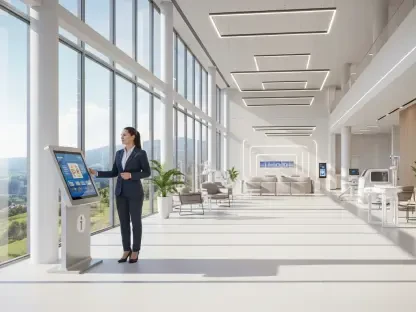
The integration of the hotel within a larger mixed-use framework allows for a seamless transition between professional and personal life, a requirement for the modern global traveler. Designers have emphasized a structure that supports diverse functions, ensuring that the commercial zones do not detract from the exclusivity of the hotel and residential wings. This balance is achieved through dedicated access points and sophisticated zoning that preserves privacy while encouraging a vibrant street-level energy. Furthermore, the development adheres to the most rigorous contemporary standards of luxury, incorporating smart building technologies that have become the industry standard as of 2026. These systems manage energy efficiency and climate control with precision, ensuring that the environmental footprint remains minimal despite the grand scale of the project. This fusion of height, functionality, and technological advancement establishes a new benchmark for what a premium mixed-use development should represent in a modern metropolis like Chengdu.
Merging Urbanity with Natural Landscapes
The strategic location of the property at the intersection of Tianfu Avenue and Tianfu First Street places it immediately adjacent to the expansive 93.3-hectare Gui Xi urban park. This proximity offers a rare opportunity to blend the density of a high-tech district with the restorative qualities of significant green space. Guests and residents will benefit from a visual and physical connection to one of the city’s most important ecological assets, providing a buffer against the typical stresses of urban living. The architectural plan intentionally incorporates vistas of the park into the design of the guest rooms and public lounges, creating a sense of openness that is often lacking in dense metropolitan hotels. This relationship with the landscape is not merely aesthetic; it reflects a broader trend toward wellness-oriented hospitality where access to nature is considered a primary luxury. The park serves as an extension of the hotel’s footprint, offering spaces for recreation and quiet reflection that enhance the overall guest experience.
Sustainability plays a central role in how this development interacts with its natural surroundings, moving beyond simple compliance to become a core part of the brand’s identity. The project team has committed to utilizing materials and construction methods that respect the local environment while ensuring long-term durability. This includes advanced water filtration systems and green roofing technologies that help mitigate the urban heat island effect common in rapidly developing cities. By 2026, these features have moved from being optional upgrades to essential components of any high-tier hospitality project in China. The goal is to create a destination that feels like an oasis within the city, where the boundary between the built environment and the natural world is blurred. This approach naturally appeals to a demographic that values environmental stewardship as much as they value five-star service. It also aligns the project with Chengdu’s own municipal goals of becoming a “park city,” where urban development and ecological preservation coexist in a mutually beneficial relationship.
Cultural Synthesis and Service Philosophy
Bridging Mediterranean Heritage and Sichuanese Identity
The partnership between the Corinthia Group and its Chinese counterparts is rooted in a shared vision of blending European hospitality traditions with the profound cultural depth of Central China. Simon Naudi, CEO of Corinthia Group, has described the Chengdu project as a milestone that aligns perfectly with the brand’s “grand boutique” ethos. This philosophy focuses on delivering the scale and innovation of a major international hotel while maintaining the intimacy and personalized craftsmanship typically found in smaller boutique properties. For the Chengdu market, this means moving away from standardized luxury and toward a model that celebrates local artistry and Sichuanese heritage. The interior design of the guest rooms and suites is expected to feature subtle nods to local traditions, perhaps through the use of specific textures, materials, or artwork, while maintaining the clean lines and sophisticated palette associated with Mediterranean design. This cultural synthesis creates a unique identity that resonates with both local guests and international visitors.
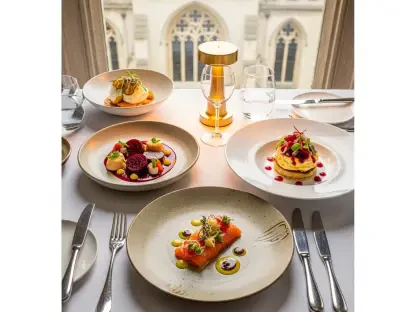
Personalization is the cornerstone of this service philosophy, moving beyond traditional concierge roles to include a more intuitive understanding of guest needs. The staff will be trained to navigate the nuances of both Western and Eastern etiquette, ensuring that every interaction feels authentic and respectful. This level of craftsmanship in service is difficult to replicate and serves as a major differentiator in a crowded luxury market. By 2026, the expectation for high-end hospitality has shifted from mere efficiency to meaningful engagement, where the hotel acts as a curator of local experiences. This might involve bespoke culinary programs that highlight the famous spicy flavors of Chengdu or private tours of the city’s historic sites, all managed with the refined touch of the Corinthia brand. By prioritizing these human elements alongside the physical splendor of the building, the partnership aims to create a lifestyle destination that feels deeply rooted in its location while maintaining a global standard of excellence.
Strategic Economic Implications for Central China
The launch of Corinthia Chengdu signifies a long-term commitment to the region, positioning the hotel as a vital hub for future luxury hospitality. Anthony Bailey, Chairman of The Geminus Group, has framed this development as a service-led initiative that specifically targets the growing economic influence of Central China. As the city continues to attract multinational corporations and high-tech startups, the demand for a world-class destination for high-end consumption will only intensify. This project is part of a carefully phased expansion strategy that recognizes Chengdu as a key node in the international luxury network. The RMB 4.0 billion investment is not just about building a hotel; it is about contributing to the city’s status as a premier global city. By 2026, the groundwork laid by this partnership has already begun to influence how other international brands view the potential of inland Chinese cities. The success of this project will likely serve as a blueprint for future developments that seek to combine global brand prestige with local cultural relevance.
Industry analysts have observed that the strategic alignment of Shilong Industry Co’s local expertise with Corinthia’s international reputation provided a robust foundation for navigating the complexities of the Chinese market. The development team prioritized a forward-thinking approach that anticipated the economic landscape of 2032, ensuring the project remained relevant throughout its construction cycle. The integration of high-end branded residences alongside the hotel suites suggested a comprehensive lifestyle offering that addressed both short-term travelers and long-term residents. This dual-purpose model maximized the utility of the 225-meter tower, creating a diverse community within the Gaoxin District. Ultimately, the project served as a testament to the power of cross-border collaboration in redefining the luxury sector. The decision to invest heavily in Chengdu reflected a clear understanding of the city’s role as a cultural and economic gateway, proving that the future of luxury hospitality lay in the seamless fusion of global excellence and distinct local identity.