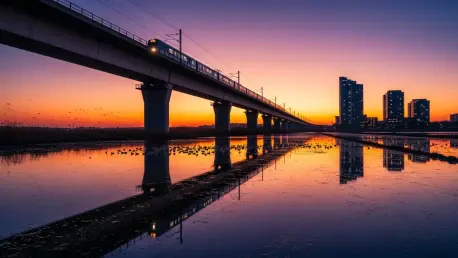

The integration of advanced mass rapid transit systems with sprawling natural reserves marks a pivotal moment in the urban planning history of the island nation as the Downtown Line 2 extension nears completion. This strategic endeavor by the Land Transport Authority is not merely about laying tracks; it represents a profound philosophical shift in how a modern metropolis can coexist with its native biodiversity. By serving as a robust blue spine, the extension bridges the physical and social gaps between dense residential estates and the rugged, often inaccessible landscapes of the northwest. This development facilitates a unique culture of low-carbon exploration that encourages citizens to view the rail network as a gateway to heritage and nature. As urban centers globally struggle with congestion, this project offers a blueprint for transit-oriented eco-tourism that prioritizes environmental stewardship while ensuring that the journey to the greenest corners of the island is as sustainable as the destinations themselves.
Strategic Connectivity and Infrastructure Milestones
The physical infrastructure of the Downtown Line 2 extension serves as a vital bridge connecting the existing terminus at Bukit Panjang to the burgeoning interchange at Sungei Kadut. This expansion is a cornerstone of the national rail master plan, which has successfully moved from the drawing board to the construction phase following the awarding of several multi-million-dollar civil contracts earlier this year. Engineering teams are currently focused on tunneling through complex geological formations to ensure the structural integrity of the deep-level stations. Once these tracks are fully integrated, the extension will provide a high-capacity transit route that links the northwestern suburbs directly to the central financial core and the eastern aviation gateway. This level of connectivity is essential for reducing the reliance on private vehicles, particularly in areas that were previously underserved by the rapid transit network. The project is a testament to the nation’s commitment to building resilient infrastructure that can withstand the demands of a growing population.
Beyond the logistical advantages for daily commuters, the extension is specifically designed to accommodate the rising demand for weekend leisure travel and recreational transit. By bridging the gap between the Downtown Line and the North-South Line, the project creates a more versatile and redundant network that can handle sudden surges in passenger volume during public holidays or special events. This increased capacity ensures that the rail system remains the backbone of urban movement, providing a faster and more efficient alternative to the island’s expressway network. For residents in the northern heartlands, the extension signifies a drastic reduction in travel time, turning a once-tedious journey into a seamless transit experience. The strategic placement of new stations also encourages decentralized growth, allowing for the emergence of new commercial and residential hubs that are anchored by world-class transit access. This long-term vision reinforces the city’s status as a global leader in transit-oriented development and sets a high bar for future regional expansions.
Unlocking the Potential of the Rail Corridor
The successful commissioning of Hume station has provided a compelling proof of concept for how strategic rail access can revitalize nature-oriented tourism across the island. Situated along the historic Bukit Timah stretch, the station offers immediate proximity to the Bukit Timah Nature Reserve and the expansive Bukit Batok Nature Park. It serves as a crucial entry point to the Rail Corridor, a continuous green artery that has repurposed former railway land into a sanctuary for hikers, runners, and cyclists. By blending historical truss bridges with meticulously restored forest habitats, the corridor offers a unique juxtaposition of industrial heritage and tropical ecology. The presence of a high-frequency rail station at this junction allows visitors to access the trail without the need for large parking facilities, thereby preserving the aesthetic and ecological integrity of the green space. This station has quickly become a favorite for local nature enthusiasts who appreciate the convenience of stepping off a train and immediately entering a lush, forested environment.
As the Downtown Line 2 extension draws the rail network further into the northern reaches of the island, it significantly enhances the accessibility of what many call an open-air museum. Travelers can now plan comprehensive day-long itineraries that rely entirely on the train and established walking paths, moving effortlessly between colonial-era heritage sites and dense tropical greenery. This connectivity reinforces the role of the Rail Corridor as a premiere destination for those seeking a mix of history and biodiversity without the carbon footprint associated with private transport. The extension acts as a catalyst for local businesses located near the trailheads, from small cafes to bicycle rental shops, creating a micro-economy centered on sustainable tourism. Furthermore, the integration of these green spaces with the rail network ensures that nature is not an isolated luxury but a fundamental part of the urban experience. This approach to planning fosters a deeper connection between the citizenry and the natural environment, promoting long-term conservation through increased public engagement.
Sungei Kadut as a Hub for Sustainable Innovation
A standout feature of the Downtown Line 2 extension is its northern terminus at Sungei Kadut, an area undergoing a radical transformation from a traditional industrial zone into a modern Eco-District. This reimagined district focuses on the circular economy, featuring advanced manufacturing facilities and sustainable resource management systems that prioritize efficiency and waste reduction. The rail extension serves as the anchor for this development, turning a formerly utilitarian landscape into a visitable destination where cutting-edge sustainability is put on public display. For the eco-conscious traveler, Sungei Kadut offers a unique look at sustainability in action, moving beyond traditional sightseeing to offer educational insights into how a land-scarce nation manages its resources. The district is expected to house vertical urban farming initiatives and waste-to-energy facilities that illustrate the possibilities of modern urban design. By integrating rail access into this industrial evolution, the project effectively blends factory tours with wetland exploration, creating a multi-layered tourism product.
The innovation occurring at Sungei Kadut is not limited to heavy industry; it also includes the creation of dedicated spaces for creative design and environmental research. Visitors to the area can observe how recycled materials are transformed into high-value products or how local startups are developing new ways to filter and reuse water within an urban context. This educational aspect of tourism is a growing trend, as travelers increasingly seek out experiences that offer tangible knowledge about environmental challenges and their potential solutions. The rail extension makes these sites accessible to a broader audience, including students, researchers, and curious locals who might otherwise find the industrial north too remote to visit. By making the Eco-District a prominent stop on the Downtown Line, planners have ensured that the conversation about sustainability remains at the forefront of the public consciousness. This synergy between transit and industrial innovation demonstrates how infrastructure can be used to support broader national goals, such as achieving net-zero emissions and fostering a culture of continuous learning and adaptation.
Enhancing Eco-Tourism Through Responsible Visitation
The extension of the Downtown Line functions as a high-capacity feeder into the Kranji Nature Corridor, an area renowned for its expansive wetlands and diverse populations of migratory birds. This new link allows tour operators to design low-emission itineraries that bypass the need for chartered buses or private vans, significantly reducing the environmental impact of large groups. Visitors can start their day exploring the historic districts of the city center and end it watching rare wildlife in the northern marshes, all through a single, reliable rail line that operates with high frequency. This seamless transition from the skyline to the shoreline is a unique selling point for the tourism industry, offering a holistic view of the island’s diverse landscapes. The proximity of the rail line to these sensitive areas also allows for better management of visitor flows, as authorities can monitor station exits to gauge the number of people entering the nature reserves at any given time. This data-driven approach is essential for maintaining the ecological balance of the region.
While the extension increases accessibility, it also necessitates a careful balance between tourism promotion and environmental conservation to ensure the survival of local species. To protect sensitive habitats from the pressure of increased foot traffic, authorities are utilizing advanced digital wayfinding and subtle design interventions to manage visitor behavior responsibly. By creating dedicated lookouts and channeling foot traffic away from core biodiversity zones, the infrastructure ensures that the surge in eco-tourism does not come at the expense of the island’s delicate flora and fauna. These design choices include the use of permeable paving to reduce runoff and the installation of educational signage that encourages visitors to respect the natural habitat. The success of the Downtown Line 2 extension as a tool for eco-tourism depends on this meticulous management of the interface between humans and nature. By prioritizing responsible visitation, the project ensures that the natural beauty of the northwest remains intact for future generations while still providing an accessible escape for the urban population.
Future Trajectory: A Legacy of Sustainable Urbanism
The completion of the Downtown Line 2 extension established a new benchmark for how heavy rail infrastructure could be leveraged to promote environmental conservation and heritage tourism simultaneously. By prioritizing the connectivity between urban centers and natural reserves, the project transformed the way residents and visitors interacted with the island’s geography. This initiative successfully removed thousands of cars from the road, contributing significantly to national carbon reduction goals and improving air quality in the northwestern corridor. The integration of digital platforms with station services allowed for a more personalized transit experience, where travelers received real-time updates on trail conditions and wildlife sightings. This marriage of technology and nature ensured that the rail network was not just a utility but a central part of the nation’s identity as a city in nature. The project also spurred a wave of secondary investments in green infrastructure, such as elevated canopy walks and interconnected park connectors that branched out from the new stations.
The long-term impact of this rail extension was felt most strongly in the way it influenced international perceptions of sustainable urbanism. Planners from around the world studied the project to understand how to balance the demands of a high-density population with the need to protect native biodiversity. The actionable next steps for the transit network involved expanding the use of autonomous shuttle feeders to bridge the final mile between stations and more remote nature spots. Authorities also focused on enhancing the resilience of the tracks against extreme weather events, ensuring that the blue spine remained operational year-round. Future considerations will likely involve the further integration of solar energy generation within the rail corridor to power station facilities and lighting. By maintaining a forward-looking perspective, the nation ensured that its transit system continued to evolve in harmony with the environment. This legacy of thoughtful planning provided a robust foundation for the next generation of infrastructure projects, all aimed at fostering a truly sustainable and accessible urban landscape.