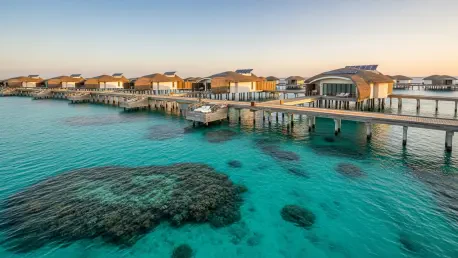

The transformation of the Saudi Arabian coastline into a global destination for high-end regenerative tourism has reached a significant milestone with the launch of the latest seasonal offerings at this premier island destination. This development represents more than just a luxury expansion; it serves as a live laboratory for the future of ecological preservation and premium hospitality. While traditional resorts often struggle with the environmental cost of high-density travel, this particular destination has integrated advanced desalination and renewable energy systems to maintain a zero-carbon footprint. The 2026 season introduces a sophisticated approach to guest interaction, shifting from passive consumption to active contribution within the local ecosystem. By leveraging the unique topography of the Ummahat Islands, the facility has successfully harmonized structural aesthetics with the fragile biodiversity of the region, ensuring that every architectural element supports rather than hinders the natural habitat for rare species and flora.
The Integration: Sustainable Luxury and Marine Conservation
Central to the current operational model is the implementation of a comprehensive marine conservation program that utilizes autonomous underwater vehicles for real-time reef monitoring. These technological assets provide critical data to the onsite Marine Discovery Center, where international researchers and resort guests collaborate on coral spawning projects and mangrove restoration. The integration of such advanced scientific equipment into the guest experience reflects a growing demand for educational travel that leaves a measurable positive impact on the environment. Furthermore, the resort has pioneered a bespoke hydro-tech irrigation system that harvests moisture from the air to support the lush, indigenous landscaping surrounding the villas. This innovation drastically reduces the reliance on traditional water sources, setting a new benchmark for resource management in arid coastal environments. The convergence of high-tech monitoring and natural preservation ensures that the surrounding turquoise waters remain pristine while fostering a deeper understanding.
Beyond ecological efforts, the resort has optimized its operational efficiency through a sophisticated AI-driven guest services network that anticipates individual needs without human intervention. This system manages everything from climate control in the private overwater bungalows to the logistics of transport across the island, ensuring a seamless and unobtrusive stay. The infrastructure relies entirely on a dedicated solar farm, which utilizes the latest bifacial photovoltaic panels to maximize energy capture from the desert sun. This energy independence is a core component of the resort’s identity, proving that ultra-luxury does not require a compromise on sustainability. Digital interfaces within the guest suites provide transparent reporting on the energy and water consumption of each stay, encouraging a mindful approach to luxury living. This transparency fosters a sense of shared responsibility between the resort and its visitors, aligning personal comfort with conservation goals while using modern technology to enhance values.
Strategic Impact: Economic Growth and Regional Development
The economic strategy for the 2026 season focuses on deep integration with local artisanal communities, creating a sustainable supply chain that highlights the cultural heritage of the Red Sea region. Through exclusive partnerships with regional cooperatives, the resort ensures that the majority of its culinary ingredients and interior decor elements are sourced from within a limited radius. This desert-to-table philosophy not only reduces the carbon emissions associated with long-distance logistics but also provides a vital boost to the local economy. Visitors are invited to participate in workshops led by local craftsmen, gaining insight into ancient techniques that have been adapted for contemporary design. Such initiatives represent a significant departure from standard globalized luxury, offering a narrative-driven experience that is uniquely rooted in its geographic location. The resort acts as a cultural bridge, allowing global travelers to engage with authentic traditions while maintaining the highest standards of international service at every level.
Looking back at the initial implementation phase, the strategic decisions made during the rollout of this seasonal program successfully balanced commercial viability with rigorous environmental standards. Developers and stakeholders in the hospitality sector recognized the necessity of moving beyond simple sustainability toward a model of active regeneration that restored the surrounding landscape. The program demonstrated that high-net-worth travelers were increasingly motivated by purposeful experiences that offered a tangible connection to conservation and local culture. To replicate this success, subsequent projects prioritized the early-stage integration of scientific researchers into the design and operational teams to ensure ecological integrity. Investing in modular, low-impact construction technology and long-term community partnerships proved essential for establishing trust and operational stability in sensitive areas. The transition to a circular economy within the resort framework provided a clear blueprint for how the global tourism industry evolved to meet the challenges of the late 2020s.