
The skyline of Lagos is currently transforming into more than just a financial hub as the state government executes a sophisticated blueprint to cement its position as the ultimate cultural and entertainment destination on the African continent. This strategic pivot, orchestrated under the expansive T.H.E.M.E.S+ agenda, represents a significant departure from traditional governance by placing the creative economy at the very center of regional development and international diplomacy. One of the most striking manifestations of this cultural resurgence was the highly anticipated return of the Eyo Festival after a decade-long hiatus, which served as a powerful reminder of the city’s deep-rooted traditions and social cohesion. Simultaneously, the 2026 Lagos Fanti Carnival attracted over forty thousand participants, blending modern energy with historical tributes to Afro-Brazilian heritage. These massive public gatherings do more than just entertain; they catalyze tourism and signal to global markets that the region is open for business.
Institutional Support and the Creative Economy
The institutional framework supporting this transformation is built on a foundation of measurable investment and regulatory modernization designed to empower the next generation of African storytellers and performers. Within the current cycle, the government has provided substantial backing to over two hundred creative programs and festivals, a notable increase from previous years that reflects a growing confidence in the sector’s financial viability. Beyond mere funding, the state has prioritized human capital development by facilitating specialized training for more than ten thousand young creatives, ensuring that the local labor market can meet the sophisticated demands of international production standards. The Lagos State Film and Video Censors Board has also streamlined its operations, issuing over two thousand filming permits to local and international crews. This proactive regulatory environment, coupled with direct endorsement for over one hundred and fifty industry stakeholders, is effectively narrowing the gap between raw local talent and the global investment community.
Moreover, the economic implications of this cultural push are being felt across diverse sectors, ranging from hospitality to digital technology, as Lagos positions itself as a primary gateway for the global entertainment industry. By fostering a collaborative ecosystem, the ministry is creating a sustainable model where creative output directly translates into job creation and youth empowerment on a massive scale. The integration of indigenous talent into the global value chain is not an accidental byproduct but a calculated result of high-level ministerial briefings and strategic partnerships. As more international investors look toward the continent for fresh content and untapped markets, the state’s commitment to providing a secure and organized environment becomes its most valuable asset. This structured approach ensures that the “Lagos brand” is synonymous with professional excellence and cultural authenticity. Consequently, the region is witnessing a surge in co-productions and cross-border collaborations that were previously hindered by logistical and regulatory hurdles.
Preservation of Heritage and Modern Innovation
Physical infrastructure serves as the backbone of this cultural renaissance, with the government dedicating significant resources to the restoration and development of historical landmarks that define the collective identity of the region. The J. Randle Centre for Yoruba Culture and History has already welcomed over ninety-four thousand visitors, functioning as a modern sanctuary for ancestral knowledge and educational exchange. This commitment to heritage extends to the outskirts of the metropolitan area, where the restoration of the Ejinrin First Post Office in Epe and the development of the Badagry Slave Route are actively preserving the complex narratives of the past. These sites are not merely static monuments but are being transformed into interactive spaces that invite both local citizens and international tourists to engage with history in a meaningful way. Furthermore, the modernization of the Oregun Theatre and the installation of various public sculptures celebrate historical leaders while enhancing the aesthetic and cultural value of the urban landscape.
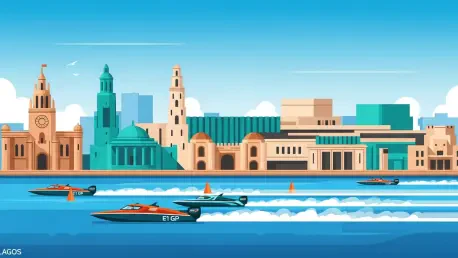
Innovation and sustainability have also been woven into the state’s cultural fabric, as seen in the hosting of the E1 Lagos GP, which marked the continent’s inaugural all-electric powerboat championship. This event signaled a strategic move toward the “blue economy” and high-value sports tourism, proving that traditional heritage can coexist with cutting-edge technological advancements. By hosting international ceremonies like the All Africa Music Awards alongside indigenous festivals, the administration successfully leveraged creative capital to boost international visibility and stimulate long-term economic growth. In the final analysis, the government established a clear consensus that entertainment and culture functioned as vital economic drivers rather than just social luxuries. The state moved beyond foundational investments to implement long-term policy frameworks that prioritized sustainable tourism and digital integration. These actions ensured that the region remained a competitive global player, providing a clear roadmap for other African cities to follow as they looked toward the growth cycle of 2026 to 2028.