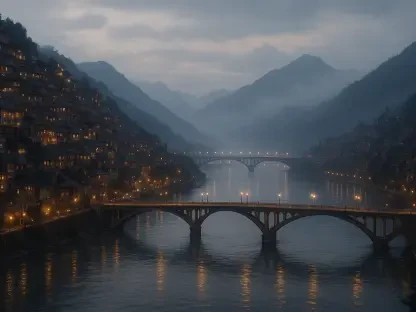

Environmental protection measures in the 2026 update emphasize that the absence of traffic noise is vital for both the visitor experience and native animal behavior. As the premier glacial valley of Japan’s Northern Alps, Kamikōchi sits at an elevation of 1,500 meters, serving as a sanctuary of immense biodiversity and fragile geological formations. The Chūbu-Sangaku National Park has long been recognized for its breathtaking vistas of the Hotaka Mountain Range and the crystal-clear Azusa River, yet the increasing pressures of global tourism have necessitated a more robust regulatory framework. By prioritizing ecological health over the convenience of private transportation, authorities are implementing a strict “conservation-first” strategy that addresses the modern challenges of rising visitor numbers. This approach ensures that the valley remains an isolated haven where the natural rhythms of the ancient forests are not disrupted by the mechanical intrusion of thousands of individual automobiles. The transition to a more controlled entry system reflects a broader commitment to sustainable travel, moving away from mass-market accessibility toward a model that values the integrity of the high-altitude environment above all else.
Implementing Comprehensive Traffic Restrictions
Environmental Benefits: The Push for Ecological Purity
The absolute prohibition of private automobiles within the valley is a legally enforced mandate designed to achieve specific ecological benchmarks, primarily the reduction of nitrogen oxides and particulate matter. By removing thousands of individual combustion engines from the park’s narrow corridors, the 2026 policy successfully preserves the purity of the alpine air, which is essential for the survival of rare lichen and moss species that thrive in the valley’s unique microclimate. Furthermore, the significant reduction in acoustic pollution allows the natural soundscape to return to its baseline state, a factor that is scientifically proven to reduce stress levels in native wildlife. This restoration of silence is not merely an aesthetic choice but a biological necessity; it enables birds and mammals to communicate, forage, and mate without the masking effect of constant engine hum. The absence of exhaust fumes also protects the clarity of the Azusa River, as airborne pollutants eventually settle into the watershed, threatening the delicate chemical balance of the glacial runoff that supports local aquatic life.
Beyond the immediate atmospheric improvements, the traffic ban serves as a critical mechanism for maintaining the structural integrity of the valley’s limited road network and surrounding soil. The mountain paths and access roads leading into the heart of Kamikōchi were never engineered to support the heavy, repetitive load of modern private vehicular traffic, and continued use would have led to accelerated soil erosion and roadside degradation. By limiting road usage to a small fleet of high-efficiency, low-emission shuttles and licensed taxis, the park management significantly reduces the physical pressure on the ground. This prevents the compaction of soil near the forest edges, ensuring that the root systems of ancient Japanese elms and birches remain healthy and capable of absorbing nutrients. Additionally, the reduction in traffic-related vibration minimizes the risk of small-scale landslides on the steep embankments that line the entry routes. This proactive engineering through regulation ensures that the landscape remains stable, preventing costly and invasive environmental remediation projects that would otherwise be required to repair human-induced geological damage.
Logistics: The Hub-and-Spoke Transit System Integration
To manage the steady flow of nature enthusiasts, the region utilizes a sophisticated hub-and-spoke transit system centered around the city of Matsumoto and nearby transit nodes. Travelers must converge at designated regional hubs, such as Sawando on the Nagano side or Hirayu on the Gifu side, before transferring to authorized park transport. This centralized system acts as a natural regulator, allowing park authorities to monitor and cap visitor numbers in real-time to prevent the valley from reaching a state of over-saturation. By funneling all visitors through these specific checkpoints, the park can ensure that every individual is briefed on current environmental conditions and safety protocols before they step foot into the wilderness. The use of high-capacity shuttles also means that the transit footprint per person is drastically lower than that of a private car, aligning with the broader 2026 goals of achieving carbon neutrality within the national park’s operations. This logistical precision transforms the journey into the valley into a shared, intentional experience that reinforces the sanctuary’s status as a protected zone.
For those visitors who prioritize a zero-emission approach, the park has integrated designated hiking trails that offer a pedestrian alternative to the shuttle buses, allowing for a truly immersive entry into the alpine landscape. These trails are carefully managed to prevent “social trailing,” where hikers create their own paths and damage the undergrowth, by providing clearly marked and well-maintained boardwalks and gravel ways. This pedestrian infrastructure allows for a slower, more deliberate engagement with the environment, catering to the growing “slow travel” movement that values depth of experience over the speed of arrival. By offering these diverse transit options, Kamikōchi proves that accessibility does not have to come at the cost of ecological destruction. The transit system is also designed to be adaptable; during periods of heavy rain or high seismic activity, the centralized control allows for the immediate suspension of services, ensuring that visitors are not trapped in vulnerable areas. This integration of transport and safety demonstrates a holistic approach to park management where human movement is synchronized with the natural needs of the valley.
Strategic Landmarks and Wilderness Ethics
Managing Human Impact: The Role of Kappabashi
Kappabashi, the iconic wooden suspension bridge over the Azusa River, stands as the functional and symbolic heart of the valley, serving as the primary node for various trail systems. While it is often the most crowded area in the park, its role in the 2026 management strategy is to act as a centralized distribution point that effectively disperses visitors into the surrounding wilderness. By concentrating commercial activity and basic amenities in this single developed zone, park rangers can prevent the sprawl of human impact into more sensitive “quiet zones” deeper in the forest. This architectural landmark provides the ultimate viewing platform for the Myōjin-dake and Nishihotaka-dake peaks, satisfying the photographic and aesthetic desires of tourists while functioning as a critical tool for environmental management. Rangers stationed at the bridge utilize real-time data to suggest alternative, less-populated trails to hikers, ensuring that foot traffic is spread evenly across the valley’s trail network and reducing the wear and tear on any single path.
The strategic management of visitor density at Kappabashi is coupled with a sophisticated approach to human-wildlife interaction, particularly regarding the native Japanese macaques that frequent the area. The 2026 update reinforces a strict no-contact and no-feeding policy, as habituation to human presence can lead to aggressive behavior and the loss of natural foraging instincts. Park staff actively monitor the bridge and its surrounding picnic areas to ensure that visitors do not inadvertently leave food scraps behind, which could lure animals into dangerous proximity with humans. This separation is vital for the long-term health of the macaque population, as human food is often nutritionally inappropriate and can cause significant health issues for the primates. By maintaining a clear boundary between the species, the park ensures that the macaques remain a wild and self-sufficient part of the ecosystem rather than a tourist attraction. This “Wilderness Ethics” training is provided to every visitor upon entry, framing the act of keeping one’s distance as a form of respect for the mountain’s original inhabitants.
Waste Management: Individual Responsibility and Economic Models
Kamikōchi distinguishes itself from other global tourist destinations by having no public trash bins throughout the valley, a deliberate strategy to force visitors to carry out their own waste. This “pack in, pack out” philosophy is central to the park’s waste management strategy, as it eliminates the need for loud, carbon-emitting garbage trucks to navigate the delicate forest roads. More importantly, the absence of waste receptacles prevents wildlife from scavenging, which is a common problem in many national parks where animals become dependent on human refuse. By placing the responsibility for the environmental footprint entirely on the individual traveler, the park fosters a culture of mindfulness and self-sufficiency. Visitors are encouraged to minimize their packaging before arriving and to use reusable containers for hydration and nutrition. This policy has resulted in a remarkably clean landscape, where the sight of litter is almost non-existent, reinforcing the valley’s reputation as a pristine sanctuary that remains untarnished by the typical side effects of high-volume tourism.
Nagano Prefecture’s economic strategy has shifted toward targeting travelers who value exclusivity and sustainability over mass-market convenience, supporting a “quality over quantity” model. This approach ensures that the local economy remains robust through the support of professional mountain guides, specialized eco-lodges, and transit operators who are all committed to the park’s long-term preservation. By moving away from a high-volume, low-margin tourism model, the region can afford to invest more in environmental monitoring and trail maintenance without needing to increase the total number of visitors. The collaboration between the Japan National Tourism Organization and local rangers demonstrates a unified front in prioritizing the health of the sanctuary over short-term commercial gains. This economic shift also benefits the visitor, as the reduction in crowds leads to a more profound and personal connection with the landscape. The focus on high-quality, low-impact tourism ensures that the revenue generated by the park is reinvested directly into the protection of the very assets that draw people to the Northern Alps in the first place.
Risk Mitigation and Sustainable Economic Models
Safety Standards: High-Altitude Preparedness and Water Purity
The high-altitude environment of the Northern Alps is characterized by extreme climate volatility, where weather conditions can shift from sunny skies to life-threatening storms in a matter of minutes. The 2026 regulations emphasize the necessity of mountain-ready gear, framing preparedness as a form of environmental respect that reduces the need for energy-intensive and dangerous rescue operations. Visitors are required to carry essential equipment, including thermal layers, waterproof shells, and reliable navigation tools, even if they only plan on short walks near the river. This culture of safety is not just about personal protection; it is about minimizing the human footprint during emergencies, as large-scale search and rescue missions can cause significant disruption to the local flora and fauna. By educating the public on the realities of alpine weather, the park management ensures that visitors are participants in the safety of the valley rather than just passive consumers of the scenery. This proactive stance on risk mitigation protects both the lives of the travelers and the integrity of the ecosystem.
A critical component of the park’s environmental health is the preservation of the Azusa River’s water quality, which serves as the lifeblood of the entire glacial ecosystem. By strictly restricting private vehicles, the park prevents heavy metals, microplastics from tire wear, and petroleum-based fluids from contaminating the riverbanks. The water in Kamikōchi is exceptionally pure, supporting unique species of trout and providing a vital resource for the downstream communities in Nagano. The 2026 update includes regular water quality testing at various points along the river to ensure that human activity near landmarks like Taishō Pond does not negatively impact the chemical composition of the water. Visitors are also instructed on the proper use of biodegradable soaps and the importance of staying on designated paths to prevent silt and runoff from entering the stream. This focus on water purity highlights the interconnectedness of the alpine environment, where the protection of the atmosphere and the soil directly contributes to the health of the aquatic systems that define the beauty of the valley.
Planning Protocols: Essential Strategies for Modern Visitors
To navigate these strict regulations and the geographical isolation of the Northern Alps, visitors must adopt a mindset of vigilance and meticulous planning. Successful trips require advanced scheduling of transit from Matsumoto or other regional hubs, as shuttle frequencies vary significantly depending on the season and prevailing weather conditions. Travelers are expected to be entirely self-sufficient, carrying their own hydration kits and waste collection bags to ensure that they leave no trace of their presence. By adhering to these strict protocols, visitors ensure that the serenity of the valley is maintained, allowing everyone to enjoy the authentic atmosphere of a true wilderness. The 2026 Kamikōchi update provided a definitive blueprint for the future of global alpine conservation by demonstrating that world-class tourism could successfully coexist with the strictest ecological standards. This model of shared responsibility ensured that the Northern Japan Alps remained a wild and untouched landscape, prioritizing the breath of the mountains over the convenience of the car for the current decade and beyond.
The 2026 Kamikōchi update provided a definitive blueprint for the future of global alpine conservation. By eliminating private vehicular interference and transitioning to a highly regulated transit model, the park proved that world-class tourism could coexist with the strictest ecological standards. This model of shared responsibility ensured that the Northern Japan Alps remained a true wilderness, prioritizing the breath of the mountains over the convenience of the car. Authorities eventually realized that the economic shift toward quality over quantity yielded more sustainable revenue for local communities while simultaneously reducing the burden on emergency services and environmental remediation teams. The long-term vision established a precedent where the rights of the ecosystem were held as equal to the rights of the visitor, creating a balanced legacy that was admired by conservationists worldwide. This strategic shift successfully preserved the valley’s quiet majesty, ensuring that the ancient forests and glacial waters continued to thrive without the encroachment of modern industrial noise. Future considerations focused on expanding these protective measures to adjacent peaks, further solidifying the region’s commitment to total environmental harmony.