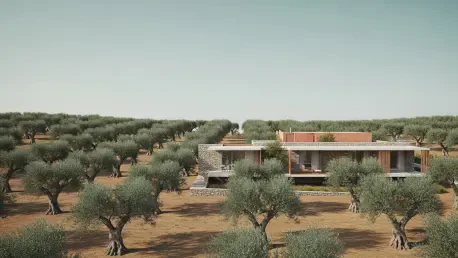

While the shimmering azure waters of the Cyclades have long defined the quintessential Greek holiday, a profound transformation is currently redirecting global attention toward the rugged, sun-drenched landscapes of the Peloponnese peninsula. This shift represents more than a mere change in destination preference; it signifies a strategic move away from the high-density, seasonal models that have historically strained the nation’s infrastructure and resources. By prioritizing low-impact exploration and the preservation of its diverse geographical character, the Peloponnese has established itself as the flagship for a more resilient and year-round travel industry.
Visitors are increasingly seeking the “original” Greece—a place where antiquity and modern environmental stewardship coexist without the frantic pace of island-hopping crowds. This evolution reflects a growing international demand for authenticity, where the value of a journey is measured by the depth of local engagement rather than the convenience of mass-market amenities. As travelers venture deeper into the heart of the mainland, they discover a region that rewards curiosity with layers of history and untouched natural beauty. This trend is setting a new benchmark for how Mediterranean destinations can balance growth with the vital need for ecological and cultural integrity.
Strategic Shifts in Regional Development
Modernizing Connectivity: Highway Networks and Accessibility
The revitalization of the Peloponnese has been significantly bolstered by a series of sophisticated infrastructure projects that have transformed the way international travelers interact with the mainland’s interior. Recent upgrades to the central highway arteries, particularly the expansive network connecting Athens to the southern hubs of Kalamata and Nauplio, have effectively dismantled the logistical barriers that once kept these regions isolated. These modern corridors allow for seamless transit, reducing travel times and encouraging a new generation of explorers to venture beyond the traditional coastal fringes of the country.
By facilitating easier access to the mountainous heart of Arcadia and the fertile plains of Messenia, the region has successfully decentralized its visitor footprint. This improved connectivity does not merely serve convenience; it acts as the primary catalyst for a more balanced distribution of tourism revenue, ensuring that wealth flows into small-scale businesses and family-run guesthouses. This decentralization prevents the environmental degradation often associated with over-tourism in confined spaces, allowing the peninsula to maintain its pristine character while expanding its economic reach across a much wider and more diverse territory.
Community Conservation: The Menalon Trail Initiative
A primary example of this successful integration of environmental protection and economic vitality is found in the Menalon Trail, Greece’s first internationally certified high-quality hiking route. Stretching across seventy-five kilometers of diverse Arcadian terrain, the trail winds through the dramatic Lousios Gorge and connects a series of historic mountain villages that were once on the brink of abandonment. This initiative demonstrates how the natural landscape can be utilized as a productive asset without requiring permanent physical alteration or heavy industrial development, preserving the local ecology.
By attracting a demographic of slow travelers who prioritize ecological integrity and physical activity, the trail has created a specialized niche market that operates effectively throughout all four seasons. Maintenance of the trail system is largely managed by local volunteer groups and community associations, fostering a sense of shared ownership and pride in the region’s natural heritage. This grassroots involvement ensures that the environmental standards of the trail remain exceptionally high, providing a replicable blueprint for sustainable development that prioritizes the health of the rural landscape and its residents.
Sustaining Cultural Integrity and Economic Resilience
Heritage Preservation: Ancient Traditions and Modern Agro-Tourism
The Peloponnese is effectively leveraging its immense agricultural heritage to build a tourism model that is both culturally significant and economically stable. In the fertile valleys of Nemea, ancient viticulture traditions are being reinvigorated through sophisticated agro-tourism programs that invite travelers to participate in the harvest and production processes. By shifting the focus from simple consumption to educational engagement, local producers command higher value for their products while preserving ancestral farming techniques that define the local identity and provide a unique visitor experience.
This approach provides a consistent, year-round source of income that is far less susceptible to the seasonal fluctuations seen in beach-based tourism. Moreover, the integration of these practices into the tourism narrative helps to safeguard the rural identity, ensuring that modern development does not erase traditional land-use patterns. These diversified revenue streams also play a critical role in the ongoing preservation of iconic UNESCO sites like Ancient Olympia. By treating history as a living resource, the region ensures that its cultural legacy remains a central pillar of its modern economic resilience.
Strategic Stability: Seasonal Balance and Responsible Travel
The strategic redirection toward sustainable mainland exploration established a clear path forward for the Mediterranean travel industry as a whole. Stakeholders across the Peloponnese successfully demonstrated that economic growth and environmental stewardship were not mutually exclusive goals, but rather interdependent pillars of a healthy tourism ecosystem. By investing in resilient infrastructure and prioritizing the preservation of cultural heritage, the region laid the groundwork for a model that could be adapted by other nations currently facing the complex and growing challenges of over-tourism.
Future efforts were focused on expanding these successes into digital integration, allowing for even more precise management of visitor flows and the continued support of remote communities. It became evident that the success of the Peloponnese was rooted in its ability to offer a narrative of authenticity that resonated with the values of the modern traveler. This shift ensured the peninsula remained a beacon of responsible development. Moving forward, the focus remained on the continuous refinement of these sustainable practices to ensure that the region’s natural beauty and social fabric were protected.