
The cobblestone streets of Salzburg have long echoed with the timeless compositions of its most famous son, yet a quiet revolution is currently reshaping the city’s identity into something far more complex than a single musical legacy. While Wolfgang Amadeus Mozart remains an undisputed pillar of the local economy, municipal planners are strategically pivoting toward a multifaceted cultural portfolio designed to attract the next generation of global travelers. This evolution is not merely about adding new attractions; it represents a fundamental shift in how the city utilizes its UNESCO World Heritage status to tell a broader story of European art, cinematic history, and architectural preservation. By diversifying the narrative, authorities aim to mitigate the risks of over-reliance on a single historical figure while simultaneously deepening the intellectual engagement of visitors who seek more than a superficial tour of classical landmarks. This transition marks a new era.
Educational Foundations and Historical Context
Preserving Heritage at the Mirabell Orangerie
The establishment of the UNESCO World Heritage Center in the Mirabell Gardens’ historic Orangerie serves as the definitive anchor for this modern educational initiative. Opened in late June 2026, the facility functions as a sophisticated gateway for tourists and residents to understand the rigorous standards that maintain the city’s protected status. Under the stewardship of Martin Hochleitner, the center has moved away from the traditional, passive information booth model to embrace a more interactive pedagogical approach. It specifically addresses the needs of younger audiences by explaining the “outstanding universal value” of the district through digital displays and curated storytelling. This educational focus ensures that the preservation of the historic center is seen not just as a regulatory burden, but as a living, breathing commitment to global culture. By providing this context, Salzburg encourages a more respectful and informed style of tourism among its visitors.
Visualizing History via the Sattler Panorama
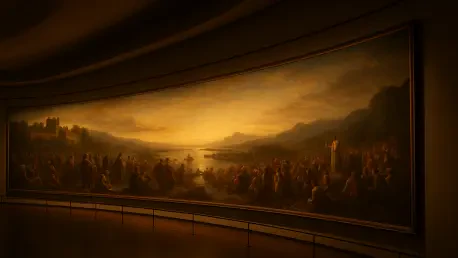
At the heart of the new World Heritage Center lies the breathtaking Sattler Panorama, a monumental oil painting that offers a rare window into the city’s visual history. Created by Johann Michael Sattler in 1825, this massive work of art stretches over twenty-five meters in length and reaches nearly five meters in height, providing a 360-degree view of Salzburg as it appeared two centuries ago. The restoration and presentation of this piece are central to the city’s effort to demonstrate the continuity of its architectural integrity. It serves as a powerful reminder that Salzburg was a pioneer in tourism marketing long before the digital age, as Sattler toured this very painting across Europe to entice early travelers to the region. The sheer scale of the panorama allows modern visitors to immerse themselves in a pre-industrial landscape, witnessing the meticulous detail of the city’s domes, towers, and surrounding alpine peaks with incredible historical accuracy.
Cinematic Icons and Fine Arts Integration
Celebrating The Sound of Music at Hellbrunn
While Mozart represents the high art of the 18th century, the enduring legacy of the 1964 Hollywood classic, The Sound of Music, provides a vital bridge to modern popular culture. Recognizing that over 350,000 visitors arrive each year specifically to walk in the footsteps of the von Trapp family, the city inaugurated a permanent museum at the entrance to Hellbrunn Park in September 2026. This new institution occupies a series of meticulously renovated historic buildings, including the former coach house and forester’s residence, which were chosen for their proximity to the iconic gazebo from the film. The museum offers a sophisticated dual narrative that balances the cinematic magic of the movie with the gritty reality of the real von Trapp family’s history. It explores the film’s production and its massive global impact while simultaneously providing a factual account of the family’s escape from the Nazi occupation, offering a more somber and grounded perspective.
Forging National Partnerships with the Belvedere
The most significant architectural and artistic undertaking of the current period is the expansion of the Salzburg Museum at the Neue Residenz, which is set for completion in 2027. This ambitious project is defined by a high-profile partnership with the Austrian Gallery Belvedere, effectively bringing a branch of the national gallery to the heart of the city. The new Belvedere Salzburg will occupy expanded premises adjacent to the Salzburg Cathedral, providing a world-class venue for displaying masterpieces that span eight centuries of art history. This collaboration allows the city to host prestigious traveling exhibitions and permanent highlights from the national collection, curated specifically to find thematic resonances with local history. By establishing this permanent link with Vienna’s premier art institution, Salzburg elevates its status from a provincial cultural center to a primary destination for serious art scholarship and high-end cultural tourism that rivals major European capitals.
Strategic Synthesis and Future Resilience
The leadership within the city successfully implemented a strategic roadmap that moved beyond the historical confines of the 18th century to embrace a contemporary cultural dialogue. By diversifying the tourism portfolio through the UNESCO World Heritage Center, the expanded cinematic museum at Hellbrunn, and the prestigious Belvedere partnership, the municipal government ensured a more resilient economic future. These initiatives proved that a city could honor its most famous residents without becoming a prisoner to their legacy. The shift toward educational and multifaceted experiences addressed the changing expectations of global travelers who demanded more depth and variety in their cultural consumption. Moving forward, the city set a standard for other heritage sites by demonstrating how to integrate national art collections and cinematic history into an existing urban framework. These developments provided a clear blueprint for maintaining relevance in an increasingly competitive global tourism market.