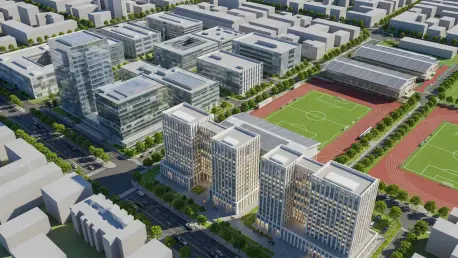

The central New York landscape is currently undergoing a radical metamorphosis as Syracuse transitions from a traditional manufacturing hub into a premier global center for high-tech semiconductor production and regional tourism. While the city celebrates massive economic investments, a paradoxical crisis has emerged where the demand for overnight lodging far outpaces the available supply of hotel rooms in the urban core. This development represents a significant departure from previous decades when the city struggled to fill its existing hospitality capacity, signaling a new era of prosperity that brings its own set of logistical hurdles. Travelers visiting for business, education, or recreation now find themselves navigating a market where premium prices and limited availability are the new norms. As local officials and private developers scramble to address this imbalance, the current situation serves as a stark reminder that rapid growth requires a parallel expansion of infrastructure and services to sustain long-term success.
The Micron Catalyst: Transforming the Regional Industrial Economy
The primary driver behind this monumental shift is the massive Micron Technology semiconductor fabrication plant currently under development in the neighboring town of Clay. Representing the largest private investment in the history of New York State, this $100 billion project has fundamentally altered the economic trajectory of the entire region. Although full-scale manufacturing operations are not slated to begin until 2028, the preliminary construction phases and administrative setups have already triggered a massive influx of professionals. These engineers, project managers, and specialized contractors require reliable, high-quality lodging close to the city center, further straining an already depleted hotel market. The presence of Micron has effectively turned Syracuse into a mandatory destination for the global tech community, creating a level of sustained business travel that was previously unimaginable for this metropolitan area.
Beyond the immediate construction activity, the long-term economic projections associated with the Micron facility suggest the creation of approximately 50,000 permanent direct and indirect jobs over the next thirty years. This sustained growth has prompted the company to establish its regional headquarters and a sprawling welcome center directly in downtown Syracuse, solidifying its commitment to the urban environment. This corporate footprint serves as a beacon for ancillary businesses and supply chain partners who are also seeking a physical presence in the city to support the burgeoning semiconductor ecosystem. Consequently, the hospitality sector must now cater to a sophisticated clientele that expects modern amenities and proximity to corporate hubs. The current shortage of rooms threatens to stifle some of this momentum if visiting executives and technical specialists are forced to stay in distant suburbs, highlighting the urgent need for new developments.
Sports Tourism Expansion: Leveraging New Athletic Infrastructure
In addition to industrial growth, Syracuse has successfully rebranded itself as a premier destination for youth sports and regional athletic tournaments throughout the Northeast. Significant public and private investments in facilities like the Carrier Park “Superfield of Dreams” have transformed the area into a top-tier choice for major athletic organizations and tournament directors. These state-of-the-art complexes are designed with full accessibility in mind, allowing the city to host a diverse array of events ranging from standard youth baseball leagues to the Special Olympics. This strategic move into sports tourism ensures a consistent flow of visitors during the peak travel months, effectively diversifying the local economy. By providing world-class venues, the city has tapped into a recession-resistant market that brings thousands of families into the region every weekend, all of whom require overnight accommodations and local services.
The economic impact of this focus on sports tourism is projected to exceed $20 million annually, providing a vital boost to local businesses and municipal tax revenues. During the high tournament season, which typically runs from April through October, these events create an intense and localized demand for hotel rooms that often pushes regional occupancy to its absolute limit. This influx of visitors overlaps with traditional business travel and university-related events, creating a “perfect storm” of demand that leaves many travelers without convenient lodging options. By intentionally expanding its appeal beyond the semiconductor industry, Syracuse has created a robust year-round tourism profile. However, the lack of sufficient hotel inventory remains a bottleneck that prevents the region from fully capturing the potential spending power of these visiting families, who might otherwise spend more time exploring local attractions.
Hospitality Market Evolution: Addressing Room Shortages and Housing Shifts
The current hotel crisis is compounded by the fact that the downtown Syracuse hotel inventory has actually decreased by approximately 43% since the early 2020s. This sharp decline did not occur because of a failing hospitality market, but rather because several large, iconic properties were converted into student housing and luxury residential apartments to meet a different set of urban needs. While these conversions helped revitalize the downtown residential population, they removed hundreds of crucial hotel rooms from the active market at the exact moment demand began to skyrocket. This structural shift has left the city center with a skeletal lodging infrastructure that cannot easily accommodate large-scale conventions or major corporate delegations. Consequently, many visitors are now forced to stay in outlying counties, which disperses the economic benefits of their visit away from the downtown core.
Stakeholders recognized the necessity of bold action to rectify the hospitality deficit that characterized the initial phase of this massive economic expansion. They implemented targeted zoning reforms that streamlined the approval process for new mixed-use developments, ensuring that hotel rooms remained a priority in the city’s architectural evolution. Local leaders worked alongside private financiers to stabilize interest rates for key infrastructure projects, which allowed several dormant construction sites to resume activity and bring new supply online. The city ultimately adopted a comprehensive strategy that balanced the needs of permanent residents with the high-volume requirements of the visiting workforce and regional sports tourists. This proactive approach addressed the immediate shortage while setting a sustainable precedent for future urban growth and resilience. By prioritizing infrastructure and collaboration, Syracuse successfully bridged the gap between its industrial ambitions and its logistical capabilities.