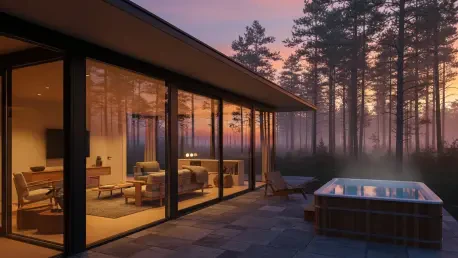

The traditional concept of “getting away from it all” in the woods has been fundamentally rewritten by a new generation of travelers who demand high-end design alongside their solitude. In the current landscape of 2026, the rugged, utilitarian hunting cabins that once defined the Hudson Valley and Catskills have largely been superseded by architecturally significant retreats that prioritize aesthetic intentionality over mere shelter. This shift represents a broader movement within the travel industry toward “atmosphere with intention,” a philosophy where every element of the guest experience—from the angle of the morning light to the tactile quality of the linens—is curated to produce a specific emotional outcome. Luxury is no longer defined by the presence of gold-plated faucets or formal service, but by the seamless integration of high-end cultural amenities into secluded natural environments. Travelers are seeking a “Lifestyle Travel Edit,” an editorialized version of rural life that offers the restorative power of nature without the discomforts of the wilderness.
This evolution is driven by a sophisticated understanding of how physical environments influence mental clarity. The modern luxury cabin serves as a sanctuary that bridges the gap between traditional lodging and a comprehensive wellness retreat. Firms like Alluvion Vacations have pioneered this space by treating short-term rentals as high-concept boutiques rather than simple real estate assets. This approach recognizes that the modern traveler is often fleeing the overstimulation of urban centers and requires a space that functions as a visual and cognitive reset. Consequently, the most successful properties in the region are those that leverage architectural integrity and wellness-focused interiors to create a restorative sanctuary. These homes are not just places to sleep; they are platforms for personal transformation, allowing guests to reconnect with themselves while enjoying the proximity of the region’s burgeoning farm-to-table culinary scenes and avant-garde art galleries.
Mapping the Geography of Mood
Travelers in the current market are increasingly making destination decisions based on “moods” rather than simple coordinates on a map. In areas like Warwick, the prevailing atmosphere is one of social warmth and pastoral charm, where the experience is anchored by rolling orchards and sophisticated wineries. This region has become a premier destination for those who desire a polished village aesthetic combined with the approachability of a weekend in the country. A stay in Warwick often involves engaging with the local agricultural community, where the luxury lies in the quality of the produce and the refined simplicity of a farmhouse that has been reimagined with modern, clean lines. It is a destination for the socially inclined who still value the quiet dignity of a well-designed private residence, offering a balance between community interaction and personal seclusion.
In contrast, the enclave of Tuxedo Park offers a vastly different emotional resonance, characterized by an atmosphere of cinematic, elite privacy. The geographic appeal here is rooted in its historical prestige and the dramatic, protected landscapes that surround the community’s architectural landmarks. Stays in this area are defined by a sense of exclusion from the outside world, where the forest feels more like a private estate than a public park. The architecture often features strong, authoritative lines and expansive windows that frame the landscape as a series of curated portraits. This specific “mood” caters to the traveler who views solitude as a form of status, seeking a high-performance environment where they can retreat into a world of quiet luxury and architectural discipline. The focus is on the serenity of a protected environment, providing a sense of security and timelessness that is rare in more transient tourist destinations.
Moving further north, Saugerties acts as a critical bridge between the antique-laden, country sophistication of the Hudson Valley and the more rugged, untamed terrain of the Catskills. This region caters to a mood of artistic exploration and dramatic visual rhythm, making it a favorite for groups seeking spaces that facilitate both collective celebration and individual reflection. The properties here often emphasize an indoor-outdoor flow, utilizing expansive decks, outdoor fire pits, and large glass partitions to dissolve the boundary between the living room and the forest floor. This geographic niche is perfect for those who want the sensory intensity of the mountains without sacrificing the convenience of nearby cultural hubs. The result is a travel experience that feels both grounded and expansive, allowing guests to navigate between the high-energy environment of a bustling town and the deep, restorative silence of a mountain-side cabin.
Integrating Design and Wellness into the Stay
The concept of “Wellness Interior Design” has become the primary differentiator in the luxury rental market, moving beyond aesthetic appeal to prioritize the psychological health of the occupant. This design philosophy posits that the textures, lighting, and spatial flow of a home are directly linked to the mental clarity and emotional state of the guest. In 2026, luxury is measured by the “emotional intelligence” of a space, where natural materials like reclaimed wood, stone, and wool are layered to create a grounding effect. Lighting is no longer just functional; it is circadian-aware, designed to soothe the nervous system and encourage deep sleep. This meticulous attention to the sensory environment ensures that the cabin acts as more than just a backdrop for a vacation—it becomes an active participant in the guest’s recovery from the stressors of modern life.
Furthermore, the integration of wellness into the physical structure of these cabins addresses the growing demand for “restorative environments” that offer a tactile connection to the landscape. Curated artwork and bespoke furniture are used not merely as decoration, but as tools to foster a sense of presence and mindfulness. When a guest enters a cabin designed with these principles, the transition from the frantic pace of the city to the slow rhythm of the country is almost instantaneous. The spatial geometry is often intentional, creating “nooks” for meditation or reading while keeping communal areas open and airy to facilitate connection. By focusing on how a space feels rather than just how it looks in a photograph, owners and designers are able to create a believable emotional experience that resonates on a deeper level than traditional luxury accommodations.
The shift toward the “workation” has also necessitated a radical rethinking of the cabin’s functional layout, turning these retreats into high-performance creative studios. As travelers extend their stays to balance professional obligations with personal restoration, the requirement for high-speed connectivity and ergonomic workspaces has become non-negotiable. However, in a luxury cabin, these functional elements are hidden within a sanctuary-like environment. A desk is positioned to overlook a private valley, and soundproofing is integrated into the walls to ensure that a video conference does not disturb the silence of the surrounding woods. This “longer, slower, better” approach to travel means that the property itself must provide enough engagement—such as cedar hot tubs, professional-grade kitchens, and curated libraries—that the stay becomes the primary itinerary, rather than just a base for external activities.
Strategic Professionalism in the Rental Market
As the market for luxury stays in Upstate New York matures, a clear divide has emerged between casual listings and professional, brand-driven properties. Success in this highly competitive environment is now dependent on a sophisticated management strategy that begins with editorial-quality visuals. In 2026, professional photography is not merely a tool for listing a property; it is the cornerstone of a property’s brand identity. These images must tell a story of a lived experience, capturing the play of shadows on a concrete floor or the steam rising from a morning cup of coffee against a backdrop of mist-covered pines. This visual storytelling is essential for “click-through” conversion, as modern travelers often choose their destination based on the visual narrative that most closely aligns with their desired emotional state.
Beyond the initial visual attraction, the professionalization of the market relies heavily on experience-driven hosting that prioritizes the “why” of the traveler’s journey. Modern hospitality has shifted from a transactional model—where the interaction ends once the keys are handed over—to an emotional one that focuses on reconnection and clarity. This requires a deep understanding of the guest’s needs, from providing locally sourced welcome baskets to offering curated guides that highlight “secret” local trails and artisan workshops. By acting as a bridge between the guest and the local culture, professional hosts transform a simple house rental into a comprehensive lifestyle experience. This level of intentionality ensures that every touchpoint of the stay reinforces the property’s brand as a sanctuary of quality and mindfulness.
Strategic positioning on platforms like Airbnb and VRBO now requires a blend of data-driven pricing and uncompromising brand integrity. High-performing properties are those that maintain a consistent point of view across all guest interactions, from the initial inquiry to the post-stay follow-up. Professional management firms ensure that the “design-driven pathway” is maintained, meaning that the physical reality of the home matches or exceeds the high-quality digital representation. This includes rigorous maintenance standards and a commitment to sustainability, as the luxury traveler of 2026 is increasingly conscious of their environmental footprint. By combining operational excellence with a visionary approach to design, these professionals are setting a new standard for what it means to host in the modern era, ensuring that the luxury cabin market remains both profitable and culturally relevant.
The Future of the Upstate Lifestyle Travel Edit
The trajectory of travel in the Hudson Valley and the Catskills is moving toward a future defined by holistic intentionality and the “seasonal reset.” A weekend getaway is no longer viewed as a luxury, but as a necessary maintenance of one’s well-being, where the cabin serves as a multipurpose sanctuary for work, rest, and play. Travelers are increasingly selecting accommodations that reflect their personal values, seeking out properties that prioritize environmental stewardship, architectural innovation, and local cultural integration. This shift ensures that the most successful properties are those that offer a “slow visual rhythm,” allowing the guest to decompress through the observation of nature and the enjoyment of high-design interiors. The cabin has become a tool for living well, rather than just a temporary escape from a busy life.
As the market continues to evolve from 2026 into 2028, the properties that endure will be those that understand that travel is about inhabiting a specific mood rather than just visiting a location. The integration of nature and culture through high-end interiors has redefined the pinnacle of American travel, creating a sustainable model for luxury that values quality over quantity. For homeowners and investors, the key to longevity lies in the continuous refinement of the guest experience, ensuring that the property remains a “lifestyle destination” that evolves with the changing needs of the global traveler. By maintaining a focus on wellness, design, and professional management, the region is well-positioned to remain a global benchmark for sophisticated rural hospitality, proving that the best way to move forward is to look deeply into how we inhabit our spaces.
In summary, the evolution of the Upstate luxury market established a new framework for hospitality that prioritized emotional intelligence and architectural integrity. This transition moved the industry away from generic rentals toward curated experiences that functioned as restorative sanctuaries for the modern professional. Owners who invested in “Wellness Interior Design” and editorial-quality branding saw a significant increase in guest loyalty and property value. The regional focus on “mood-based” geography allowed travelers to align their choice of stay with their specific psychological needs, whether seeking social warmth in Warwick or elite seclusion in Tuxedo Park. Ultimately, the successful integration of high-performance workspaces into these retreats proved that the boundaries between life and travel had permanently dissolved. This holistic approach ensured that a stay in the Hudson Valley or Catskills was transformed from a simple trip into a meaningful lifestyle edit that resonated with the values of the era.