
Katarina Railko is a seasoned hospitality expert with a career forged in the intricate world of travel, tourism, and large-scale event management. Having refined her skills through the lens of both high-end hospitality and the dynamic entertainment sector, she brings a wealth of knowledge on how properties can pivot to meet evolving consumer demands. With her background in expos and conferences, Katarina understands the delicate balance between architectural heritage and modern functionality. Today, we discuss the strategic evolution of the industry, focusing on how iconic properties can redefine luxury by shifting from traditional dining models to a more personalized, stay-centric approach that prioritizes guest comfort and operational efficiency.
Given the shift in consumer spending and the decline in casual dining footfall, what specific operational changes are required to pivot toward a premium stay-focused model? How do you ensure that removing a full-service restaurant doesn’t diminish the luxury feel of a Grade-II listed property?
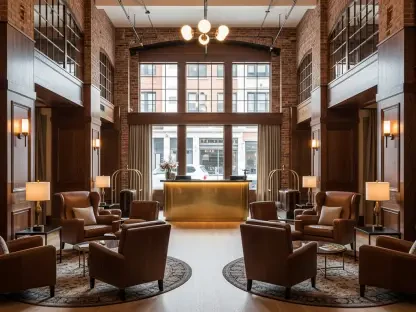
The pivot away from casual dining is a strategic response to a landscape where footfall and pre-bookings have steadily decreased, especially as the cost of living influences guest spending. Operationally, this requires a total reallocation of resources; instead of managing a high-turnover restaurant like Black Iron Social, we focus energy on the 121 suites that define the property. In a Grade-II listed building like the former Fenwick department store, the luxury feel is inherent in the architecture, so we preserve that prestige by maintaining a consistent breakfast offering and keeping the bar as a stylish social hub. By removing the distraction of a struggling restaurant, the staff can dedicate themselves to high-touch service, ensuring that the £17 million refurbishment continues to feel like a premium, exclusive experience rather than a busy public thoroughfare.
As hospitality moves toward personalized “home-away-from-home” experiences, what criteria do you use to select in-room amenities like welcome hampers? How do these personalized touches and bookable extras impact guest retention and long-term stay satisfaction over time?
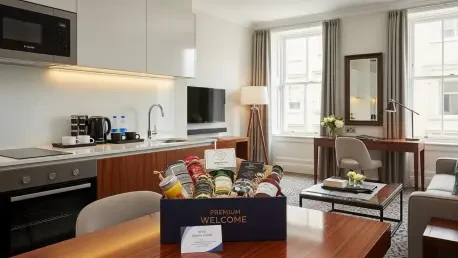
Selecting amenities for a “home-away-from-home” model requires a deep understanding of why the guest is in Leicester, whether for university visits, sporting events, or corporate stays. We look for items that add immediate value and comfort, such as curated welcome hampers and convenient bookable extras that bridge the gap between a hotel and a private apartment. These thoughtful touches are not just perks; they are emotional anchors that build a sense of belonging for guests staying several months. When a guest feels that their space is personalized to their lifestyle, their satisfaction levels spike, leading to the kind of loyalty that has earned us accolades from Tripadvisor and Lux Life.
When internal talent moves into expanded leadership roles, such as sales and operations management, how does that transition influence the overall service culture? What specific training steps help staff evolve from specialized reservation roles to managing broader, multi-departmental hotel operations?
Promoting from within, such as moving a Reservations Manager into a Hotel Sales and Operations Manager role, creates a service culture rooted in deep product knowledge and continuity. The transition involves a shift from handling data and bookings to understanding the holistic guest journey and the logistics of a multi-departmental operation. We implement cross-training that focuses on the synergy between front-of-house hospitality and back-end sales strategy to ensure the “new era” of hospitality is delivered seamlessly. This evolution allows leaders like Dominique Haines to leverage their existing relationships with guests to better oversee the entire facility, ensuring that every department reflects the same passionate, independent spirit.
Repurposing a restaurant space for private events and specialized catering, like Indian or Caribbean cuisine, presents unique logistical challenges. How do you manage the transition to a private-hire model, and what role does the bar play in maintaining a social hub for the local community?
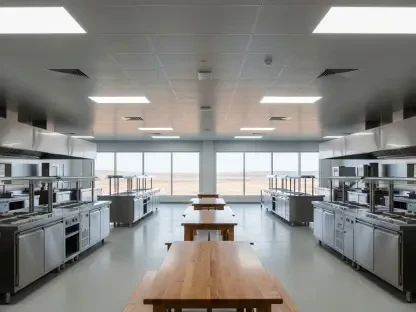
Transitioning a full-service restaurant into a private-hire space allows us to tap into the vibrant local culture of Leicester, particularly through events featuring Indian and Caribbean cuisine. The logistics involve maintaining a fully equipped kitchen that external groups can utilize, which requires strict scheduling and clear operational protocols to ensure high standards are met. The bar remains the vital link to the community, serving as a permanent anchor for both residents and walk-ins, which prevents the property from feeling closed off. By hosting networking events and social gatherings in the former restaurant space, we maintain the building’s status as a local landmark while maximizing the utility of every square foot.
With a diverse clientele ranging from corporate travelers to university visitors, how do you tailor the 121 suites to meet such varied needs? What specific design elements or service workflows allow the property to balance the requirements of a one-night guest versus a multi-month resident?
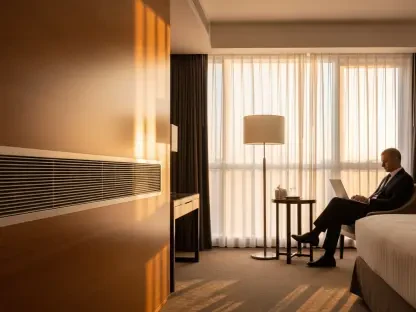
Each of the 121 suites is designed as a hybrid space, featuring kitchenettes and en suite shower rooms that provide the autonomy needed for long-term stays. For the one-night guest, we prioritize a streamlined check-in and a stylish environment that feels superior to a standard hotel room. For our multi-month residents, we focus on dedicated areas for both work and relaxation, ensuring the workflow of the room supports a daily routine. This balance is achieved through thoughtful design that maximizes space, allowing us to serve a corporate traveler needing a desk one day and a family visiting for a university graduation the next.
What is your forecast for the aparthotel sector?
I believe we are entering a definitive era where the lines between residential living and luxury hospitality will continue to blur. As guests increasingly prioritize space and flexibility over traditional hotel services, the aparthotel sector will become the preferred choice for travelers who refuse to compromise on comfort during long-term stays. We will see more heritage buildings being repurposed into these “serviced sanctuaries” because they offer a unique character that modern builds simply cannot replicate. Success in this sector will ultimately be defined by the ability to offer a highly personalized, independent experience that makes a guest feel like a local resident from the moment they walk through the door.