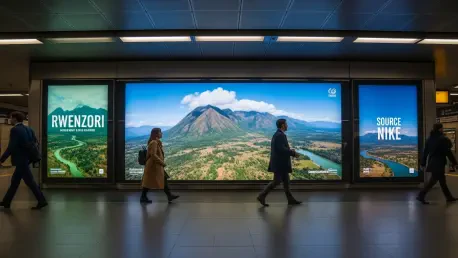

The bustling transit hubs of Rome, Milan, and Naples are currently experiencing a vibrant transformation as Uganda unfolds a sophisticated multi-city advertising campaign designed to redefine its international presence. This strategic initiative involves the deployment of high-impact visual displays across expansive bus networks, iconic tram lines, and subterranean metro systems, effectively reaching millions of potential travelers in Italy’s most affluent urban centers. Far from being a mere promotional exercise, this campaign serves as a critical pillar of the national “Tenfold Growth Strategy,” an ambitious economic roadmap aimed at exponentially increasing the country’s Gross Domestic Product by the year 2040. By showcasing the lush landscapes and unique cultural heritage of the East African nation, officials are working to establish a permanent visual footprint in the European consciousness. This move signals a proactive shift toward aggressive, data-driven marketing that seeks to convert casual commuters into dedicated visitors, thereby stimulating diverse sectors of the domestic economy through increased foreign exchange earnings and long-term tourism investment.
Targeting Italy: A Priority for High-Value Tourism
The Ugandan government has deliberately identified the Italian Republic as a primary source market due to the specific travel behaviors and spending patterns associated with this demographic. Italian travelers are traditionally recognized for their commitment to “slow travel,” a philosophy that emphasizes meaningful engagement with local cultures, extended stays, and a preference for boutique eco-luxury over mass-market experiences. By focusing on this high-value segment, Uganda aims to attract visitors who contribute significantly more to the local economy on a per-capita basis than those from higher-volume, lower-margin markets. This approach ensures that the influx of tourists generates substantial revenue while minimizing the environmental footprint often associated with over-tourism. Marketing experts believe that the Italian preference for authenticity aligns perfectly with the country’s offerings, creating a natural synergy that can be leveraged to build a sustainable and highly profitable tourism pipeline that benefits both international guests and local communities throughout the various regions.
A central element of this outreach is the “Explore Uganda – The Pearl of Africa” brand identity, which is being projected across Italy’s dense metropolitan environments to foster a sense of familiarity and desire. The choice of transit advertising is particularly strategic, as it provides constant, unavoidable exposure to business professionals, university students, and affluent retirees during their daily routines. Unlike digital ads that can be easily dismissed or skipped, these large-scale physical installations create a pervasive presence that stays at the forefront of the consumer’s mind during the critical research and booking phases of holiday planning. By maintaining this high level of visibility in a competitive European market, Uganda is positioning itself as a top-tier alternative to more traditional travel destinations. This campaign is not just about immediate bookings; it is a long-term branding exercise intended to elevate the nation’s status as a sophisticated and welcoming destination for those seeking a deeper connection with the African continent and its diverse ecosystems.
Highlighting Biodiversity: The Niche of Adventure Tourism
At the heart of the Italian campaign is a focused narrative on Uganda’s unparalleled biodiversity, which offers a more intimate and exclusive experience than the crowded safari circuits found in other parts of East Africa. The promotional materials emphasize once-in-a-lifetime wildlife encounters, particularly the opportunity to track mountain gorillas and chimpanzees within their ancient, mist-covered forest habitats. By highlighting these rare and protected species, the campaign appeals to nature enthusiasts who are willing to invest in high-quality, ethically managed conservation experiences. This positioning helps differentiate the country from regional competitors by focusing on the “quality of encounter” rather than just the number of animals seen. The emphasis remains on the serenity and privacy of the Ugandan wilderness, catering to a post-pandemic travel sentiment that prioritizes open spaces and secluded environments where guests can truly disconnect from the modern world while supporting vital wildlife preservation.
Beyond the iconic primates, the campaign showcases a diverse range of geographical features and high-octane adventure opportunities designed to attract a younger, more active demographic. From the snow-capped peaks of the Rwenzori Mountains, often called the “Mountains of the Moon,” to the dramatic white-water rapids at the source of the River Nile, the advertisements present a country of immense physical variety. This outreach also targets specialized niches, including world-class birdwatching in the lush crater lakes region and botanical exploration in the remote Kidepo Valley. By presenting such a broad spectrum of activities, the initiative speaks to a wide array of interests, from the hardcore mountaineer to the relaxed botanical enthusiast. This multi-faceted portrayal of the landscape serves to challenge one-dimensional perceptions of African travel, instead offering a complex and inviting picture of a nation that provides both extreme adrenaline and profound natural tranquility for every type of international explorer.
Integrating Conservation: The Path to Economic Resilience
Uganda is pioneered a tourism model that seamlessly integrates economic growth with environmental stewardship and social responsibility, a theme that resonates deeply with modern European sensibilities. The advertising campaign in Italy does not merely sell a vacation; it communicates a powerful story of habitat protection and the empowerment of rural populations through sustainable revenue streams. This consensus-driven approach ensures that tourism proceeds are reinvested into the communities that live alongside protected areas, providing them with tangible incentives to guard against poaching and encroachment. By aligning its marketing with global trends toward “responsible travel,” the government is appealing to the ethical considerations of discerning tourists who want their spending to have a measurable positive impact on both nature and people. This strategy effectively turns every visitor into a partner in conservation, fostering a sense of shared purpose that enhances the overall value of the travel experience for the visitor.
From a broader economic perspective, the expansion of the tourism sector acts as a powerful catalyst for development across several interlocking industries within the country. The anticipated increase in international arrivals from the Italian market justifies and funds significant advancements in regional infrastructure, including the modernization of road networks and the expansion of air transport links to remote parks. Furthermore, the demand for seamless high-end travel experiences is driving rapid investments in digital connectivity and high-speed internet in areas that were previously underserved. This growth also creates a robust market for local agriculture and artisanal crafts, as lodges and hotels increasingly source their supplies from surrounding villages. The resulting “multiplier effect” ensures that the benefits of international tourism reach far beyond the park gates, stimulating job creation in the hospitality, technology, and service sectors, while providing a stable foundation for long-term national prosperity and social stability.
Building a Competitive Edge: The European Strategy
The Italian transit campaign is a primary component of a larger, coordinated diplomatic effort to enhance Uganda’s standing within the broader European landscape. By combining traditional out-of-home advertising with targeted digital outreach and active participation in major international travel fairs, the government is creating a cohesive and persuasive brand narrative. This unified approach is essential for standing out in a saturated marketplace where consumers are constantly bombarded with competing travel offers. By establishing a distinct and recognizable visual identity in Italy, officials are setting the stage for future expansions into other high-potential European economies. The strategy relies on maintaining a consistent message across all platforms, ensuring that the “Pearl of Africa” remains associated with luxury, adventure, and ecological integrity. This proactive engagement reflects a mature understanding of global market dynamics and a commitment to maintaining a competitive edge through innovation.
Recent data indicates that the tourism sector has undergone a resilient recovery, with visitor numbers currently matching or exceeding figures recorded in the years leading up to the current decade. The Italian market is viewed as a critical frontier that will provide the momentum needed to reach the ambitious targets set for the coming years. Success in Italy will serve as a scalable model for similar high-impact campaigns across the continent, focusing on markets with high discretionary income and a growing interest in sustainable tourism. By investing heavily in global brand equity today, Uganda is securing its position as a top-tier destination that can withstand global economic shifts. The focus remains on long-term sustainability rather than short-term gains, ensuring that the tourism industry continues to serve as a reliable engine for comprehensive national transformation. This strategic foresight is intended to ensure that the country remains a leader in the global travel industry, leveraging its natural assets to drive a prosperous and stable future.
Strengthening the Tourism Ecosystem: Actionable Steps
The implementation of the Italian transit campaign was a decisive move that demonstrated Uganda’s readiness to compete on the global stage through sophisticated marketing techniques. By targeting high-traffic urban zones, the government successfully elevated the national brand to a level of visibility previously reserved for more established destinations. This initiative was supported by a series of policy reforms aimed at improving the ease of travel and the safety of international visitors. The integration of digital payment systems and the streamlining of visa processes were critical steps taken to remove barriers for potential Italian tourists. These actions were complemented by intensive training programs for hospitality staff, focusing on language skills and service standards tailored to European expectations. The collaborative effort between the public and private sectors ensured that the promise made in the advertisements was matched by the reality of the on-ground experience, creating a cycle of positive feedback and repeat visitation.
To maintain this growth, stakeholders must now focus on diversifying the tourism product further and expanding community-based tourism initiatives. Future efforts should prioritize the development of mid-range and luxury accommodation in lesser-known parks to spread the economic benefits more evenly across the country. There is also a significant opportunity to invest in green energy solutions for safari lodges, further cementing the reputation for sustainable travel that was highlighted in the Italian campaign. Looking ahead, the government should continue to leverage data analytics to refine its marketing strategies, ensuring that promotional budgets are allocated to the most effective channels. By fostering deeper partnerships with international airlines to increase direct flight capacity, Uganda can significantly reduce travel friction for European guests. These combined efforts will provide the necessary foundation for the country to achieve its broader economic objectives, turning the natural wonders of the nation into a permanent source of wealth and pride for all its citizens.