
The Current State of the U.S. Tourism Economy
The persistent ability of the United States to attract global capital through its diverse travel offerings highlights a significant economic fortitude that remains unmatched in the current international landscape. In May 2026, international visitors spent over $20.9 billion on tourism-related activities, marking a 1 percent increase from the previous year. This performance is particularly noteworthy given the cooling consumer confidence observed in other global markets. While domestic travelers also adjusted their habits, the steady influx of foreign capital resulted in a $1.7 billion trade surplus for the travel sector in a single month. This data suggests that the American travel brand continues to serve as a primary engine for national economic health, even amid shifting geopolitical dynamics.
Historical Context: The Path to Stabilization
Understanding the current market requires a look at the transition from the rapid post-pandemic recovery to the more measured growth seen today. The early months of 2026 have signaled a shift away from the era of “revenge travel,” moving toward a period defined by market equilibrium. Total international spending for the first five months of the year reached $103.4 billion, which is a marginal 1 percent decrease compared to 2025. This phase is not a downturn but a necessary correction that allows the industry to find a sustainable pace. By moving beyond the frantic demand of previous years, the tourism sector is now focusing on long-term structural integrity rather than temporary volume spikes.
The Pillars Supporting the 2026 Tourism Trade Surplus
The resilience of the industry relies on several distinct categories of spending that interact to balance the overall trade ledger. While some areas have softened, others have expanded to provide a critical buffer against volatility.
The Surge in Passenger Fare Receipts: Transit Demand
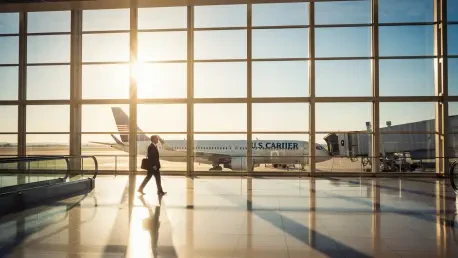
A standout trend this year is the robust growth in transit-related revenue, specifically among U.S. air carriers. Foreign travelers spent $3.2 billion on passenger fares in May 2026, representing a nearly 14 percent increase over the previous year. This surge indicates that even as visitors become more selective about their destination activities, their preference for American transportation services remains high. This growth in transit demand acts as a high-velocity driver for the sector, ensuring that the primary logistical gateway to the country remains profitable.
Analyzing Shifts in Discretionary Travel Spending
While the desire to visit the U.S. is strong, the nature of local spending is undergoing a transformation. Traditional expenditures on lodging, dining, and recreation totaled $11.4 billion in May, a slight 1 percent dip from 2025. Travelers are displaying increased price sensitivity, often opting for value-driven experiences over high-end luxury. This shift accounts for 54 percent of total tourism exports, signaling that domestic businesses must adapt by offering more competitive pricing models to capture the more cautious international consumer.
The Role of Specialized Services: Medical, Education, and Labor
Specialized tourism sectors continue to provide a foundational level of economic stability that leisure travel cannot always guarantee. Spending on medical tourism, international education, and short-term labor remained steady at $6.3 billion, making up nearly a third of all monthly tourism exports. These sectors are less susceptible to economic fluctuations because they are often driven by necessity or long-term career investment. This stability ensures that the U.S. remains a global hub for professional development, regardless of the cooling leisure market.
Emerging Trends and the Future Outlook
As the market moves deeper into the year, several innovations are set to redefine the visitor experience. The integration of advanced AI for personalized itinerary planning and a continued push toward “purpose-driven travel” are gaining significant traction. Visitors are increasingly seeking cultural immersion and educational value, which aligns with the strengths of the American service economy. However, future growth will likely be influenced by regulatory efficiency, such as visa processing times and the management of inflationary pressures on local services.
Strategic Takeaways: Insights for Industry Stakeholders
Businesses must recognize that the 2026 landscape rewards value over volume. The strength of the passenger fare sector suggests that hospitality brands should pursue deeper partnerships with airlines to create seamless travel packages. Furthermore, the reliability of the education and medical segments indicates that regional developers should invest in the infrastructure that supports long-term visitors. Focusing on these high-stability niches allows the industry to protect itself from the unpredictable nature of discretionary leisure spending while maintaining a competitive edge.
Sustaining the American Advantage in Global Travel
The resilience of U.S. tourism throughout the first half of the year provided a clear blueprint for economic stability. While market conditions necessitated a transition toward more conservative growth, the fundamental appeal of the American brand remained intact. Stakeholders who prioritized long-term infrastructure and specialized services successfully mitigated the risks associated with cooling leisure demand. Ultimately, the ability to generate a significant trade surplus evidenced the enduring strength of the nation as a premier global destination. This period of stabilization prepared the industry for a more sustainable and technologically integrated future.