
The iconic Hotel Danieli has long stood as a silent witness to the ebb and flow of Venetian history, yet its latest metamorphosis into the Danieli, Venezia, A Four Seasons Hotel represents a pivotal shift in the landscape of European luxury hospitality. For centuries, this landmark on the Riva degli Schiavoni has hosted royalty and literary giants, but the current phased restoration project seeks to elevate its storied halls into a contemporary sanctuary that respects its 14th-century Venetian Gothic roots. By integrating the operational excellence of a global luxury brand with the fragile beauty of a Byzantine-influenced architectural masterpiece, the property is undergoing a profound evolution. This transition ensures that the hotel remains not merely a relic of the Serenissima’s past but a living, breathing participant in the city’s modern cultural dialogue. The restoration balances historical integrity with current travelers’ demands, securing its status as a definitive Venetian icon.
Architectural Evolution: The Triple Palace Legacy
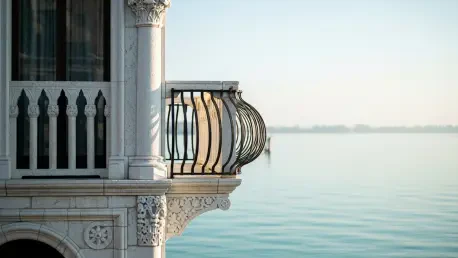
The architectural foundation of the property is a sophisticated assembly of three distinct historical structures, each contributing its own unique narrative to the overall Venetian skyline. At the heart of the complex lies the 15th-century Palazzo Dandolo, a quintessential example of Venetian Gothic architecture that once served as the Treasury of the Venetian Republic. Adjacent to this is the Palazzo Casa Nuova, which provides a contrasting yet complementary nineteenth-century aesthetic, and the Palazzo Danieli Excelsior, a structure that reflects the grand hotel era of the early twentieth century. This trio of buildings requires a highly specialized approach to restoration, as the technical requirements for modern plumbing, climate control, and electrical infrastructure must be woven into the fabric of centuries-old stone and timber. The challenge of the current renovation lies in maintaining the individual character of each palazzo while creating a cohesive guest experience that feels unified.
The current phase of the restoration has successfully revitalized the Palazzo Dandolo and the Palazzo Casa Nuova, allowing the hotel to operate with 120 meticulously refreshed rooms during its initial reopening. This strategic, phased approach ensures that the hotel remains active and vibrant while construction work continues on the remaining sections of the property. By 2027, the full restoration is expected to bring the total room count to 168 keys, encompassing the completed Palazzo Danieli Excelsior. This gradual expansion allows the management team to fine-tune the guest experience and service standards in the newly renovated areas before the entire complex reaches its final capacity. Such a methodical timeline is essential in a city like Venice, where the logistics of transporting materials by water and working within protected historical monuments require careful planning and execution. This ensures that every room, suite, and public space meets the highest benchmarks for historical preservation.
Aesthetic Harmony: Integrating the Lagoon’s Palette
Renowned designer Pierre-Yves Rochon has established a creative vision for the interiors that emphasizes a dialogue between the historical grandeur of Venice and a fresh, light-filled aesthetic. Rather than relying on the heavy, dark palettes often associated with older European hotels, the new design draws direct inspiration from the shifting colors of the Venetian lagoon. Guests will find a refined palette of celadon green, terracotta, and soft blues, which serves to reflect the weathered facades of the city and the unique quality of light that bounces off the canals. This intentional use of color creates a seamless visual connection between the hotel’s internal spaces and the surrounding aquatic environment. By prioritizing a sense of airiness and luminosity, Rochon has managed to modernize the interiors without sacrificing the gravitas of the building’s history. Every decorative choice, from the wall treatments to the custom furniture, reinforces the feeling of being in a contemporary palazzo.
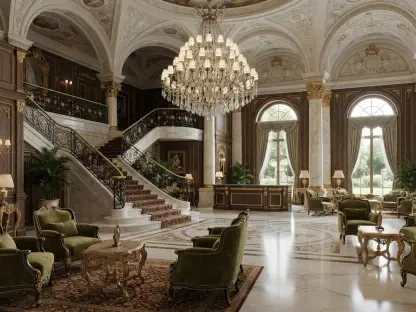
The restoration places a significant emphasis on local craftsmanship, utilizing the skills of Venetian artisans to maintain the authenticity of the site. Murano glass chandeliers, Rubelli textiles, and traditional terrazzo flooring are used throughout the public and private spaces, ensuring that the material culture of Venice is represented at every turn. In the grand lobby of the Palazzo Dandolo, artisans have painstakingly revitalized the hand-painted gilding and the azure ceilings, restoring the intricate quatrefoil patterns that have defined the space for generations. This dedication to authentic materials prevents the restoration from feeling like a generic renovation, instead presenting it as a natural evolution of the property’s heritage. The collaboration between international design teams and local masters of craft ensures that the hotel remains a showcase for the best of Italian artistry. Every piece of fabric and every glass fixture tells a story of a craft that has been perfected over centuries in the lagoon city.
Strategic Evolution: Shaping the Future of Venetian Hospitality
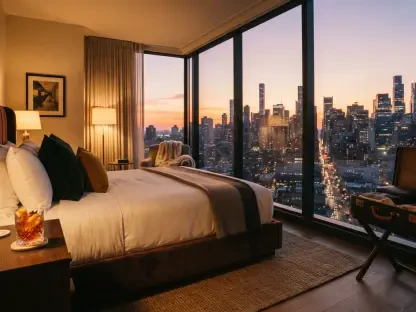
Guest accommodations have been reimagined with a sense of theatricality that leverages the hotel’s prime location on the waterfront. The room layouts are designed so that the act of opening the curtains becomes a dramatic reveal of the Grand Canal or the intricate terracotta rooftops of the surrounding city. While the environment is deeply historical, the integration of technology is handled with extreme discretion to avoid breaking the period atmosphere. Bespoke media walls serve as functional art pieces, concealing electronics and television screens behind curated objects and decorative panels when they are not in use. This residential philosophy transforms the hotel stay into an experience that feels more like residing in a private, high-end palazzo than staying in a standard commercial establishment. The focus remains on providing a serene retreat from the crowded streets of Venice, where guests can enjoy the city’s beauty from a vantage point that is both private and exceptionally luxurious.
The culinary landscape at the hotel reached new heights with the evolution of Terrazza Danieli, where contemporary Venetian cuisine was paired with panoramic views of San Giorgio Maggiore. Executive Chef Adriano Rausa led the kitchen team in creating menus that honored local ingredients while applying modern techniques. The roadmap for the property included the anticipated launch of a dedicated spa facility in 2026, which provided a new dimension of wellness for the guests. By the time the restoration of the Palazzo Danieli Excelsior concluded in 2027, the hotel established itself as the ultimate destination for those seeking the spirit of the historic Grand Tour. This comprehensive transformation ensured that the property remained a leader in the global luxury market by addressing the needs of high-end tourism. The restoration team successfully bridged the gap between the 14th century and the current era, proving that a deep respect for history was the most effective foundation for modern innovation.