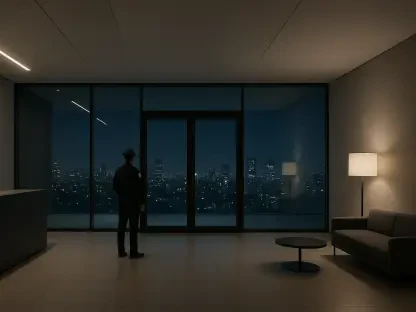

Located high above the hot-spring town of Atami, the MOA Museum of Art bridges the gap between historic aesthetics and modern technology by housing national treasures behind massive floor-to-ceiling glass walls. While Tokyo remains a vital cultural epicenter, the true pulse of Japan’s artistic evolution is increasingly found in these secluded, intentionally designed spaces where the surrounding landscape is not merely a backdrop but a foundational element of the work. This architectural philosophy, which prioritizes a profound harmony between the built environment and the natural world, offers a stark contrast to the traditional “white cube” galleries found in major urban centers. As travelers move beyond the capital in 2026, they encounter institutions that utilize mountains, forests, and seascapes to enhance the viewer’s emotional and sensory engagement. This trend reflects a broader cultural shift where art is no longer a passive indoor activity but an immersive experience that begins the moment one leaves the city limits. The act of reaching these remote locations has effectively become a meditative prelude, turning a simple gallery visit into a significant cultural pilgrimage that honors both the creator’s vision and the land itself.
Mountain and Forest Art Escapes
Harmony in the High Woods
The Pola Museum of Art in Hakone stands as a premier example of environmental preservation integrated with high-end architecture. To minimize its footprint within the lush, protected beech forest, the structure was designed to be almost entirely subterranean, a feat of engineering that allows the natural canopy to remain undisturbed. A massive glass atrium serves as the primary conduit for natural light, which filters down through the layers of the building to illuminate a diverse collection that masterfully blends Western Impressionism with modern Japanese masterpieces. By keeping the majority of the facility underground, the museum maintains a stable climate for delicate canvases by Monet and Renoir while creating an atmosphere of quiet, earthen sanctuary. This design ensures that the transition from the vibrant green of the forest into the cool, concrete galleries feels organic rather than jarring, reinforcing the idea that art and nature are inseparable components of the human experience in the mountains of Kanagawa.
In the highlands of Yamanashi, the Nakamura Keith Haring Collection provides a sharp, energetic contrast to the serene alpine surroundings of Mount Yatsugatake. As the only museum in the world dedicated exclusively to the work of Keith Haring, it utilizes the bold, chaotic geometry of 1980s New York street culture to create a vibrant dialogue with the silent majesty of the Japanese countryside. Architect Atsushi Kitagawara designed the building with sharp, unconventional angles and slopes that echo the vitality and rhythmic lines of Haring’s iconic pop-graffiti style. This juxtaposition of high-energy urban art against a backdrop of ancient mountains creates a unique cultural friction that highlights the universal nature of creative expression. Visitors find themselves moving through galleries that feel like a rhythmic dance, where the art’s social commentary on life and death is amplified by the sheer scale of the surrounding wilderness. The institution serves as a testament to how global artistic movements can find profound new meaning when transposed into unexpected, tranquil environments.
Open-Air Innovation and Realist Precision
The Hakone Open-Air Museum, established as Japan’s pioneer in outdoor curation, utilizes the rolling valleys and shifting mists of the region as its primary gallery walls. This expansive site allows significant sculptures by Henry Moore and Auguste Rodin to interact with the elements, changing appearance as the sunlight shifts or as the cherry blossoms give way to the deep greens of summer. One of the most striking features is the “Symphonic Sculpture,” a towering installation of stained glass that houses a spiral staircase, offering visitors a panoramic view of the entire valley from its summit. The museum’s philosophy is deeply rooted in accessibility, providing sensory experiences like a natural hot-spring footbath where guests can rest while viewing the surrounding art. By integrating these physical comforts with high-level curation, including a dedicated pavilion for Picasso’s ceramics, the institution ensures that the appreciation of complex art remains a grounded and restorative experience for all ages, regardless of their familiarity with art history.
In contrast to the expansive outdoor vistas of Hakone, the Hoki Museum in Chiba represents a triumph of modern engineering focused on the intimate details of Realist painting. The building itself is a marvel of cantilevered design, featuring long, steel-structured corridors that appear to float over the edge of a neighboring park. This architectural choice provides an environment free from the distractions of traditional gallery supports, allowing for a focused study of the hyper-detailed brushwork found in the museum’s extensive collection. Each gallery is designed with minimalist precision to ensure that the lighting and acoustics prioritize the viewer’s connection with the canvas. As visitors walk through these suspended halls, the experience is one of intense concentration, broken only by strategically placed windows that frame the forest outside like a living, breathing landscape painting. This deliberate interaction between the hyper-realism on the walls and the actual reality of the forest creates a sophisticated loop of observation, making the Hoki Museum a destination where technical mastery and architectural innovation exist in perfect equilibrium.
Coastal Sanctuaries
Framing the Horizon
The relationship between the Pacific Ocean and Japanese cultural identity is explored with striking clarity at the Enoura Observatory in Odawara. Conceived by world-renowned artist Hiroshi Sugimoto, the site functions as a “cosmic instrument” rather than a traditional museum, utilizing the horizon of Sagami Bay to connect contemporary viewers with ancient celestial rhythms. The complex features a 100-meter-long gallery tunnel that is perfectly aligned to capture the first rays of the sun during the summer solstice, effectively turning the architecture into a giant sundial. By using reclaimed stones and traditional Japanese building techniques, Sugimoto has created a space that feels both timeless and avant-garde. The optical glass stage, which seems to hover over the water, provides a platform for performances that are backdropped by the infinite sea. This site-specific design forces a slower pace of observation, encouraging visitors to consider their place within the vast timeline of human history and the natural world, all while framed by the precise, minimalist aesthetic that Sugimoto is famous for.
Nestled between a state park and the sea on the Miura Peninsula, the Yokosuka Museum of Art serves as a sophisticated model of eco-conscious and modern design. Architect Riken Yamamoto created a structure with a glass-and-steel skin that is punctuated by circular “portholes,” which allow visitors to catch glimpses of passing cargo ships and the ever-changing maritime sky while they explore the galleries. This transparency blurs the boundary between the internal collection of over 6,000 works of modern Japanese art and the external environment, creating a sense of openness and fluidity. The museum is partially recessed into the ground to maintain a low profile that respects the surrounding greenery, yet the interior feels light and airy due to the clever use of natural illumination. This design strategy ensures that the maritime heritage of the region is always present, providing a constant contextual link between the artwork on display and the coastal landscape that inspired much of Japan’s modern aesthetic.
Theatrical Traditions by the Sea
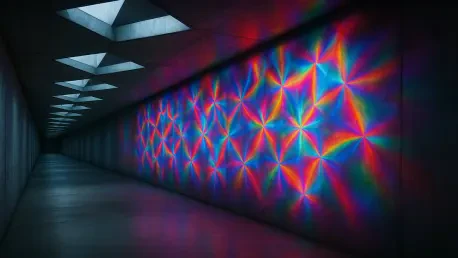
The MOA Museum of Art in Atami offers a grand, theatrical journey that begins long before one reaches the main exhibition halls. Visitors are transported through a series of futuristic subterranean tunnels equipped with massive kaleidoscopic light projections, a transition that serves to cleanse the palate before viewing some of Japan’s most significant National Treasures. The institution specializes in classical East Asian art, including the world-famous “Red and White Plum Blossoms” folding screens by Ogata Korin. The architecture manages a delicate balance, housing these ancient and fragile relics within a facility that features cutting-edge climate control and floor-to-ceiling glass walls. These windows provide spectacular, unobstructed views of the Pacific Ocean and Hatsushima Island, creating a dialogue between the stylized natural beauty found in Edo-period paintings and the raw, literal beauty of the Atami coast. This integration of classical heritage with high-tech presentation highlights a uniquely Japanese approach to cultural preservation, where the past is honored through the lens of the future.
The synthesis of coastal aesthetics and architectural weight creates a specific perspective that is unique to Japan’s seaside institutions. By leveraging the transparency of glass and the permanence of stone, these museums do more than just house art; they curate the horizon itself. The common thread among these coastal sanctuaries is the use of the sea as a stabilizing force, a constant element that provides a sense of scale and continuity to the varied artistic movements housed within. Whether it is the ancient stones of Enoura or the sleek glass of Yokosuka, the architecture acts as a framing device that directs the eye toward the intersection of water and sky. This approach suggests that the most profound way to experience Japanese art is to see it in the context of the geography that defined its development. In 2026, as coastal regions continue to balance industrial needs with cultural preservation, these museums stand as vital guardians of the aesthetic relationship between the Japanese people and the Pacific.
Weekend Pilgrimages
Immersive Artistic Environments
In the historic city of Kanazawa, the 21st Century Museum of Contemporary Art has redefined the role of a museum within an urban landscape. Designed by the acclaimed firm SANAA, the building is a massive glass circle with no designated main entrance, a choice that encourages a non-linear and democratic flow of visitors from the surrounding public park. This layout dismantles the traditional intimidation factor associated with contemporary art, making the institution a communal hub where the boundaries between the city and the gallery are nearly non-existent. The most famous installation, Leandro Erlich’s “The Swimming Pool,” exemplifies this interactive philosophy by allowing people to view each other through a layer of water from both above and below the surface. This play with perception and social interaction characterizes the museum’s mission to make art an accessible, everyday experience. By integrating high-concept installations into a space that feels like a neighborhood park, the museum has successfully fostered a regional identity that is both deeply rooted in Kanazawa’s craft history and boldly forward-looking.
Naoshima has evolved into a global destination that represents the pinnacle of the “art island” concept, where an entire geographic area is transformed into a living gallery. The Chichu Art Museum, a subterranean masterpiece designed by Tadao Ando, is the centerpiece of this transformation, built entirely underground to avoid disturbing the natural beauty of the Seto Inland Sea. Despite its location beneath the earth, the galleries are flooded with natural light through geometric skylights, creating a spiritual and contemplative atmosphere for viewing Claude Monet’s “Water Lilies” and the light-based installations of James Turrell. Outside the formal museum walls, the island is dotted with site-specific works, including Yayoi Kusama’s iconic pumpkins, which sit at the water’s edge as symbols of the island’s creative rebirth. A journey to Naoshima requires a dedicated commitment, involving trains and ferries, but this effort is part of the intended experience. The transition from the mainland to the island serves as a mental reset, preparing the visitor to engage with art in a setting where the architecture, the sea, and the creative spirit are indistinguishable from one another.
Urban Integration and Regional Identity
In the northern reaches of Japan, the Towada Art Center redefines the relationship between a museum and its surrounding community through a series of separate white pavilions. Designed by Ryue Nishizawa, these “houses for art” are connected by glass corridors, but many of the individual rooms feature large windows that open directly toward the street. This design turns the entire town of Towada into a collaborative art space, where large-scale works like Ron Mueck’s “Standing Woman” are visible to passersby, effectively making high art an unavoidable part of daily life. The integration of these installations into the urban fabric has revitalized the local area, promoting a decentralized cultural landscape that honors regional identity while attracting international attention. By moving art out of a single, monolithic building and spreading it across a neighborhood, the center encourages a sense of ownership among the local residents. This model suggests that the future of regional development in Japan lies in the seamless blending of creative infrastructure with the existing streetscape, creating a vibrant, living environment that serves both locals and travelers.
The architectural journey across Japan’s rural and coastal landscapes provided a clear roadmap for how culture can rejuvenate regional economies while preserving the inherent beauty of the land. It was observed that the most successful institutions were those that embraced their specific topography, using it to dictate the form and function of the museum itself. These destinations proved that the value of an art experience is significantly enhanced by the journey required to reach it, reinforcing the concept of the museum as a site of pilgrimage. For those looking to explore these spaces, planning a route that considers the seasonal changes—such as the autumn maples in Hakone or the summer solstice at Odawara—offered the most profound engagement with the site-specific designs. Moving forward, the lessons learned from these decentralized hubs should encourage travelers to look beyond the urban sprawl of the capital, seeking out the quiet, intentional spaces where Japan’s true artistic identity continues to flourish in 2026 and beyond. By prioritizing these regional excursions, individuals can gain a deeper, more nuanced understanding of how contemporary design can honor ancient traditions and natural majesty simultaneously.