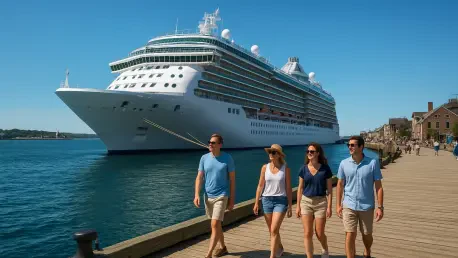

The maritime city of Halifax serves as a primary case study for a unique tourism surge, where cruise ship arrivals and local tour operators report booming business fueled almost entirely by U.S. citizens. This phenomenon highlights a stark disconnect between high-level diplomatic friction and the individual choices of consumers on the ground. As trade relations between the two neighbors have soured, resulting in substantial tariffs and heated rhetoric from Washington and Ottawa alike, the expected decline in cross-border activity has failed to materialize in the tourism sector—at least in one direction. Instead, American travelers are crossing the 49th parallel in numbers that defy the current geopolitical climate. While political analysts focus on the fallout of a 50% tariff on Canadian exports, the general public in the United States remains largely disconnected from these tensions, viewing Canada not as a trade rival but as an accessible and safe destination for leisure and exploration during these uncertain times.
Economic Incentives: Driving American Tourism
The Power: The U.S. Dollar
One of the most significant factors drawing Americans across the border is the substantial strength of the U.S. dollar against its Canadian counterpart. In late 2026, exchange rates have hovered around $1.39 Canadian dollars for every one U.S. dollar, providing Americans with immense purchasing power that makes international travel feel incredibly affordable. This favorable rate allows travelers to enjoy high-end dining, luxury accommodations, and extended vacations for a fraction of what they would pay at home or in more expensive European markets. For the average American traveler, the financial bargain of Canada simply outweighs any political discomfort stemming from trade disputes. The ability to secure premium services at a significant discount has transformed the northern border into a corridor of economic opportunity for those looking to maximize their vacation budgets without venturing too far from home or dealing with long-haul flights.
Furthermore, this currency advantage has reshaped the profile of the typical visitor. While budget-conscious families have always sought out the “Great White North,” the current exchange rate has attracted a more affluent demographic that previously prioritized luxury trips to the Mediterranean or the Swiss Alps. These travelers are finding that the metropolitan centers of Toronto, Montreal, and Vancouver offer world-class amenities that are now effectively on sale. Boutique hotels and fine-dining establishments in these cities are seeing a surge in American reservations, often reporting that guests are opting for extended stays and premium packages that were once considered out of reach. This influx of high-spending visitors has provided a vital injection of capital into the Canadian hospitality sector, creating a buffer against the potential losses that might have otherwise resulted from the ongoing trade war and the accompanying diplomatic chill.
Maritime Appeal: Infrastructure Growth
The surge in American visitation is particularly evident in Atlantic Canada, with Halifax serving as a primary success story for regional tourism boards. Industry data shows a 13% increase in American tourists to the region, driven largely by cruise ship traffic and increased ferry bookings that facilitate easier access from the Northeastern United States. The CAT ferry, connecting Maine to Nova Scotia, reported that nearly 85% of its advance bookings were made by U.S. residents, signaling a robust appetite for maritime experiences. This geographic focus highlights a preference for nearby international destinations that offer a sense of familiarity and partnership, with many Americans emphasizing that they still view Canadians as essential friends rather than political adversaries. The infrastructure supporting these routes has seen significant investment, ensuring that the physical journey across the border remains as seamless as possible despite the political friction.
This regional growth is also supported by a series of targeted marketing campaigns that emphasize the natural beauty and cultural richness of the Canadian East Coast. By focusing on the unique coastal landscapes and the traditional hospitality of the Maritimes, local tourism authorities have successfully diverted attention away from the headlines of trade disputes and tariffs. Americans are increasingly looking for escapes that feel authentic and grounded, and the Atlantic provinces provide the perfect backdrop for this type of experiential travel. Local tour operators have adapted their offerings to cater to this specific market, providing curated experiences that highlight the shared history between the two regions. As a result, the maritime corridor has become a resilient pocket of cooperation where the daily interactions between hosts and guests remain untainted by the complex economic negotiations taking place in the nation’s capitals.
The Canadian Boycott: Political Protest
A Cultural Shift: Travel Habits
In stark contrast to the American influx, Canadian travel to the United States has plummeted when compared to the levels seen in recent years. While some metrics show a minor uptick compared to the dismal lows of 2025, air travel and automobile trips remain down by nearly 30% relative to 2024. This trend is not merely an economic decision but a deliberate act of principled consumerism, as Canadians increasingly use their travel budgets as a tool for political activism. By choosing to avoid the United States as a way to voice their displeasure with aggressive trade policies, many Canadians are sending a clear message that their loyalty to their own economy takes precedence over their desire for a southern vacation. This shift represents a fundamental change in the way Canadians view their neighbor, moving from a relationship of convenience to one defined by cautious and often critical observation.
The impact of this boycott is being felt most acutely in traditional Canadian hotspots like Florida, Arizona, and California. Small businesses and tourism hubs that have long relied on the “snowbird” migration or the steady flow of Canadian cross-border shoppers are now facing a significant shortfall in revenue. For many Canadians, the act of spending money in the U.S. has become a point of contention within their social circles, leading to a broader cultural rejection of American consumerism. This is not just about saving money in a tight economy; it is about a collective refusal to support a system that they believe is unfairly targeting Canadian industries. As travelers seek out domestic alternatives or explore other international markets in Europe and Mexico, the long-standing habit of heading south for the winter is being replaced by a new sense of nationalistic resolve that prioritizes home-grown experiences over the lure of American theme parks.
The Rise: Nationalistic Sentiment
The narrative within Canada has shifted from viewing the United States as a friendly neighbor to seeing it through the lens of economic injury and betrayal. Online communities and social media platforms have become hubs for organizing campaigns that encourage citizens to travel anywhere but America, often discussing the shared responsibility of American voters for current trade policies. This cultural rejection is deeply rooted in a sense of duty, with many Canadians feeling that boycotting U.S. destinations is their most effective lever for influencing international relations and protecting local jobs. For these travelers, the emotional and political cost of a vacation in a country they perceive as hostile to their interests has become too high to bear. The sense of solidarity among Canadians has grown, as the collective decision to stay north of the border is seen as a way to bolster the domestic economy during a challenging period.
This rising nationalism has also prompted a resurgence in domestic tourism, as Canadians rediscover the beauty of their own provinces. From the rugged peaks of the Rockies to the historic streets of Quebec City, the “staycation” has become more than just a trend; it is now a badge of honor for many who want to keep their dollars circulating within the country. Tourism boards across Canada have seized this opportunity to promote local travel, emphasizing that every dollar spent at home helps to mitigate the effects of the 50% tariffs imposed on their exports. This shift has led to a newfound appreciation for the diversity of the Canadian landscape and has helped to strengthen the bond between different regions of the country. By focusing on their own backyard, Canadians are building a more resilient tourism sector that is less dependent on the whims of international trade policy and more focused on the sustainable growth of local communities.
Future Outlook: Cross-Border Diplomacy
The events of this year demonstrated that economic pragmatism often outpaced political ideology for the American traveler, even as the broader relationship between the two nations became strained. While governments clashed over industrial protections and trade agreements, the hospitality industry in the North found ways to maintain its allure by focusing on value and the strength of the dollar. Stakeholders in the travel sector observed that the financial incentive of the 1.39 exchange rate acted as a powerful shield against the negative press surrounding bilateral disputes. Meanwhile, the Canadian decision to withdraw from American markets served as a potent reminder of how quickly long-standing consumer habits could be disrupted by a sense of national injury. This shift forced many American tourism boards to reconsider their reliance on northern neighbors and prompted a broader discussion about the intersection of politics and leisure.
Ultimately, the divergence in travel patterns underscored a growing complexity in North American relations that required more than just marketing strategies to resolve. The resilience of the tourism industry became a testament to the enduring curiosity of travelers, but it also highlighted the fragility of a partnership when economic policies are viewed as hostile. For the travel industry to return to a state of balance, both nations must address the underlying tensions that have turned a simple vacation into a political statement. Moving forward, the focus will likely shift toward finding a middle ground where the benefits of cross-border exchange can once again flourish without the shadow of trade wars. This will require a concerted effort from both public and private sectors to rebuild the trust that was lost, ensuring that the border remains a gateway for connection rather than a symbol of division in the years to come.